What the Committee Does
The Agriculture, Nutrition, and Forestry Committee drafts and oversees legislation that shapes Americas farm policy, nutrition programs, and rural economy. This includes the multi-year Farm Bill, which governs commodity programs, crop insurance, conservation, and major food assistance programs such as SNAP.
The committee also oversees the U.S. Department of Agriculture (USDA), forestry and conservation policy, agricultural research, and rural development initiatives that support broadband, housing, and infrastructure in small towns and farming communities.
It is led by a Chair from the majority party and a Ranking Member from the minority party. Together with the other members, they hold hearings, write legislation, and conduct oversight of federal farm and food programs.
Committee Membership


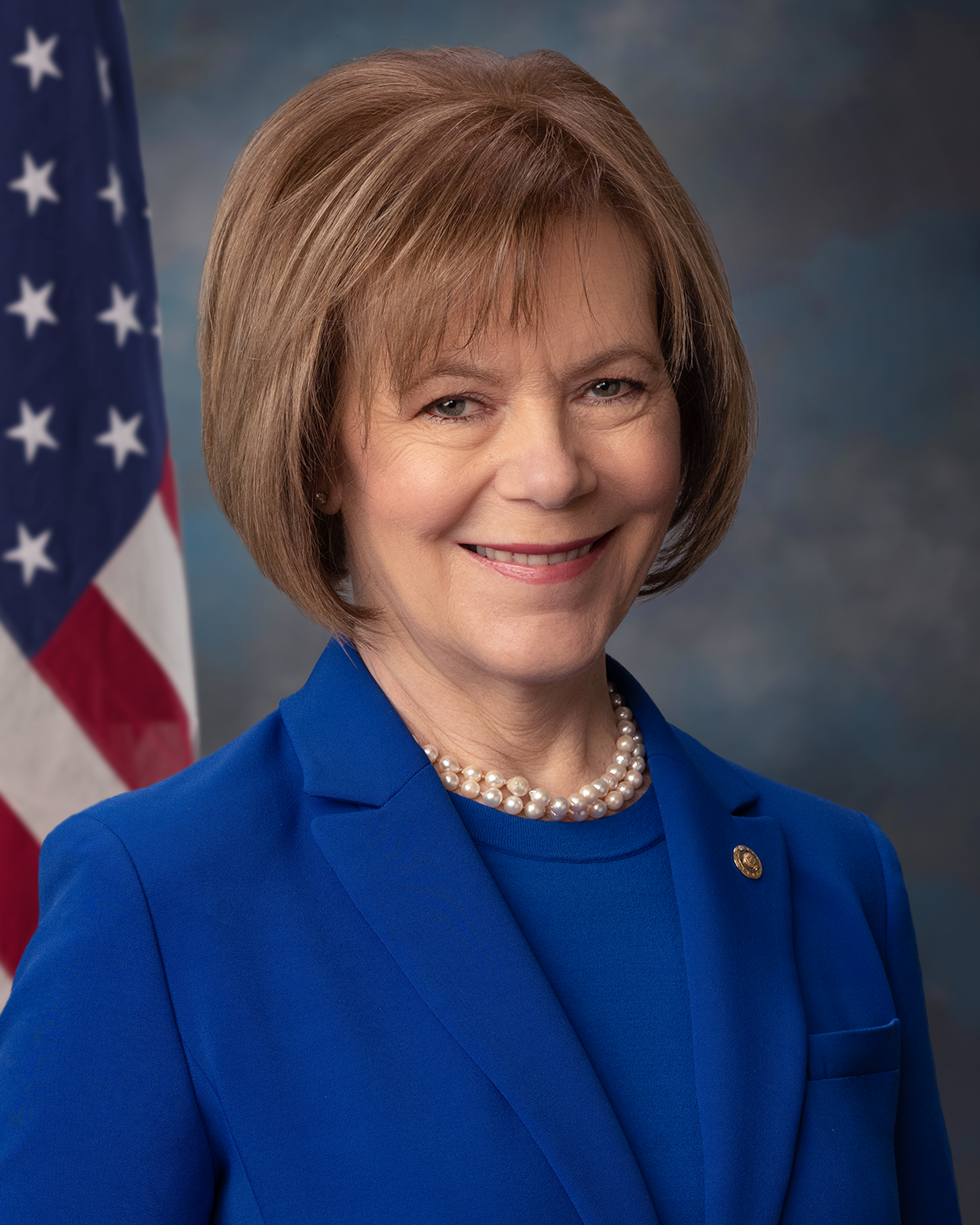


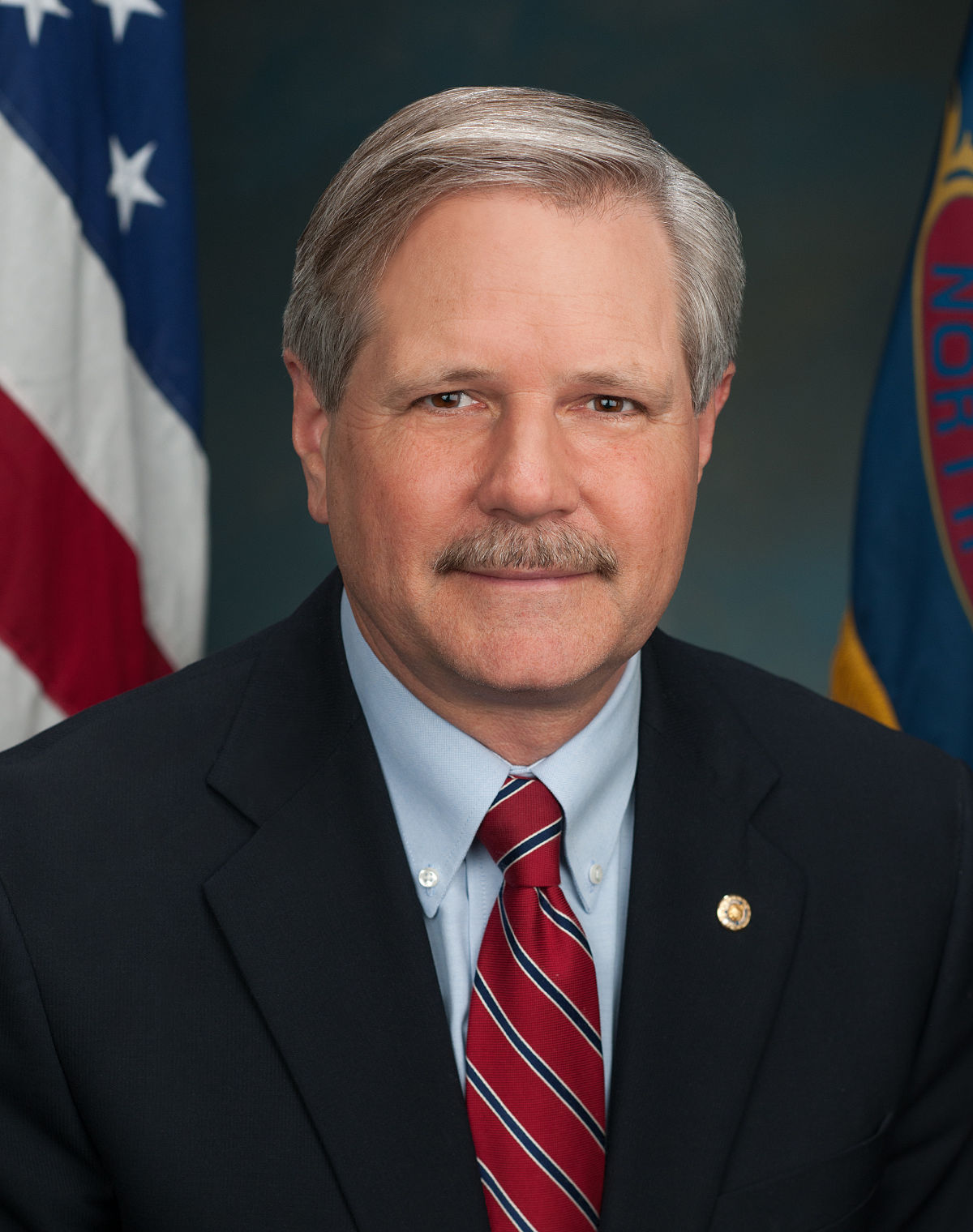

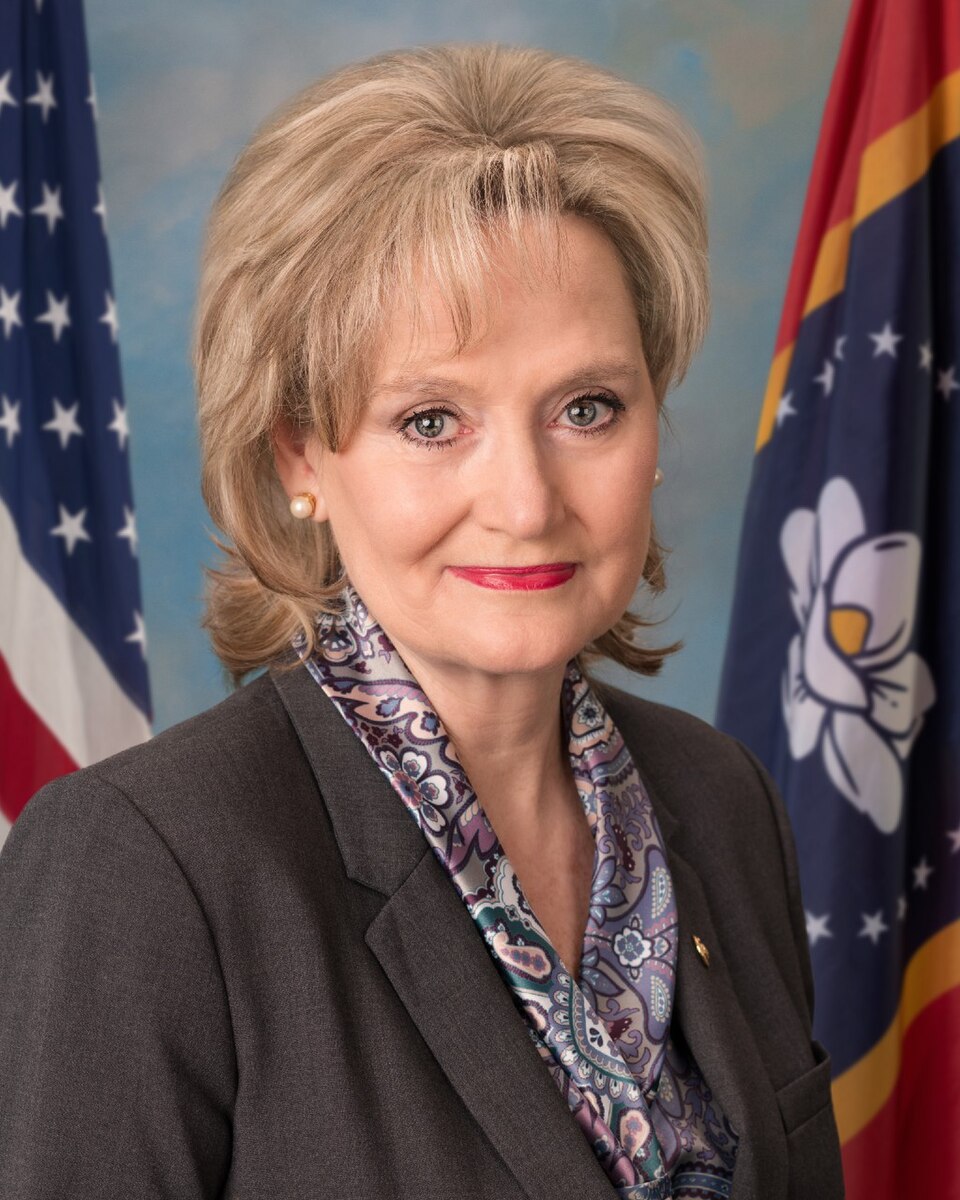
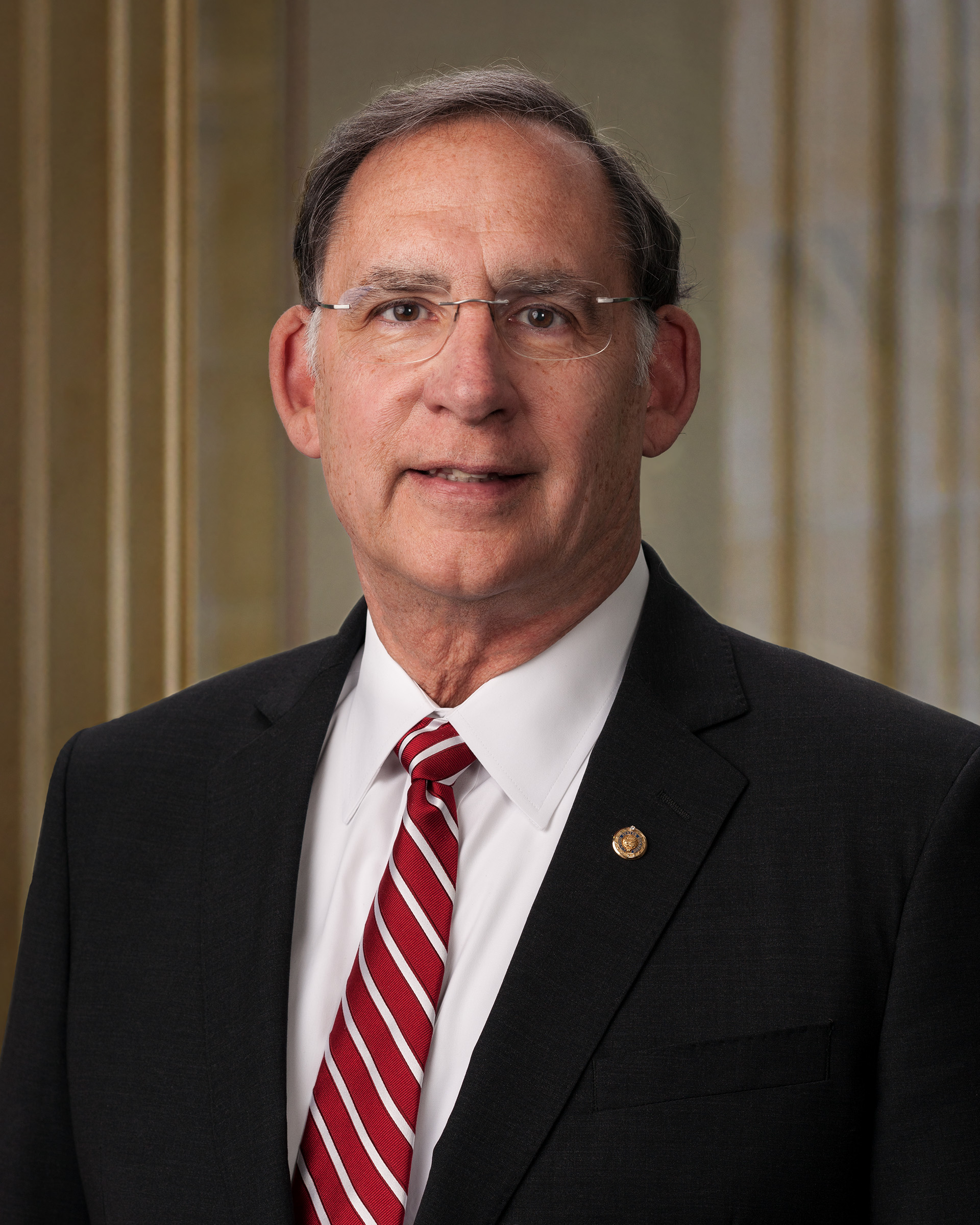
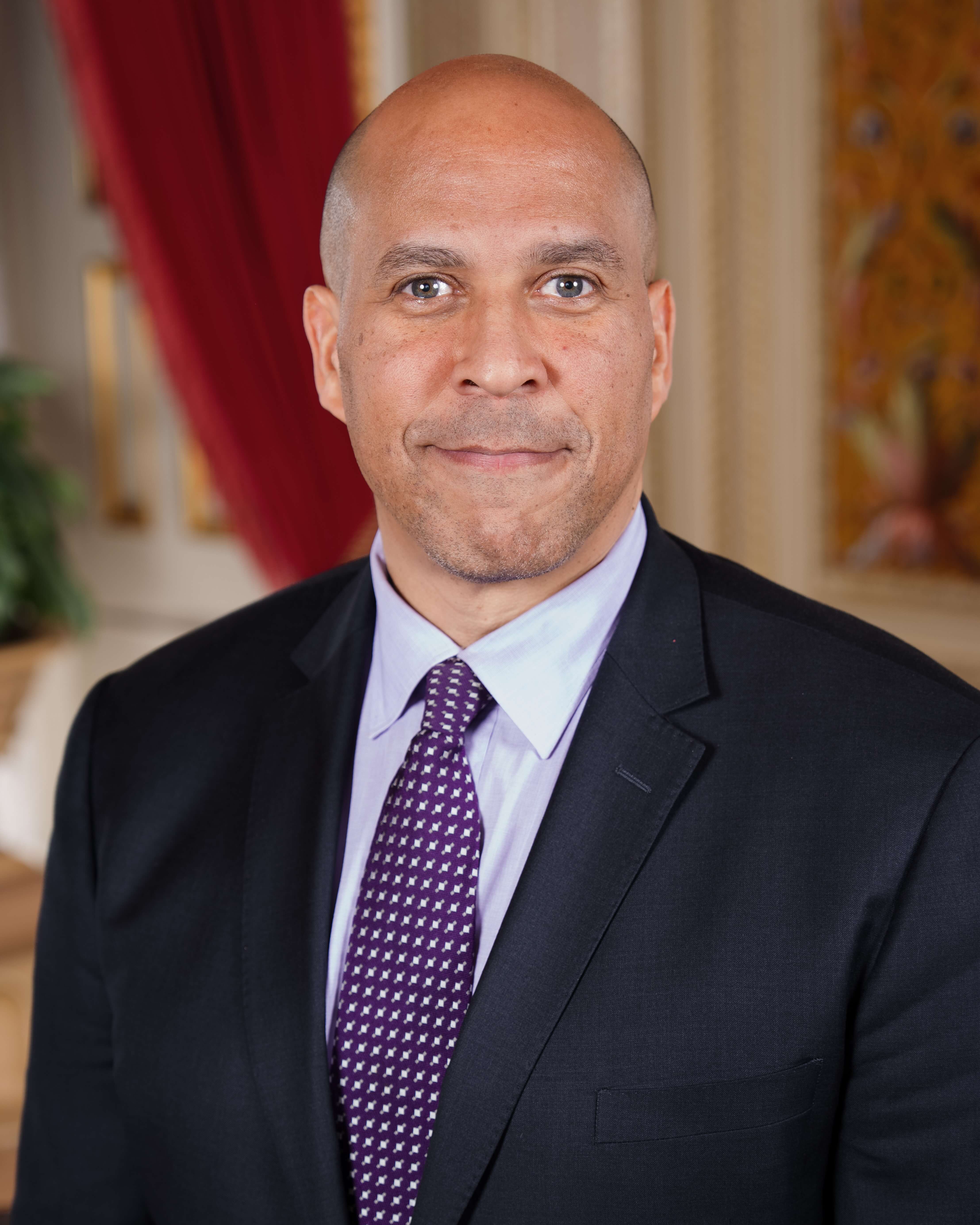
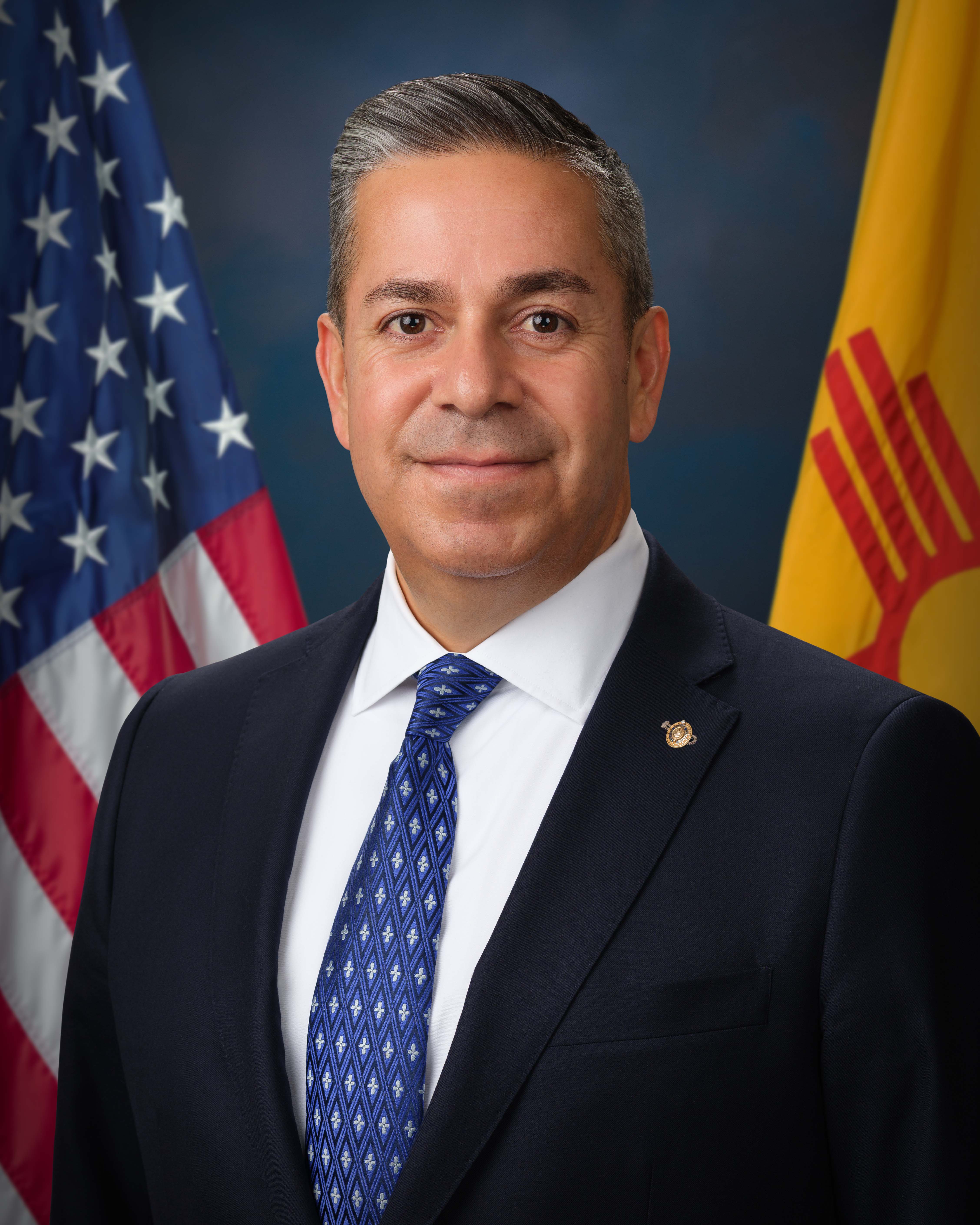
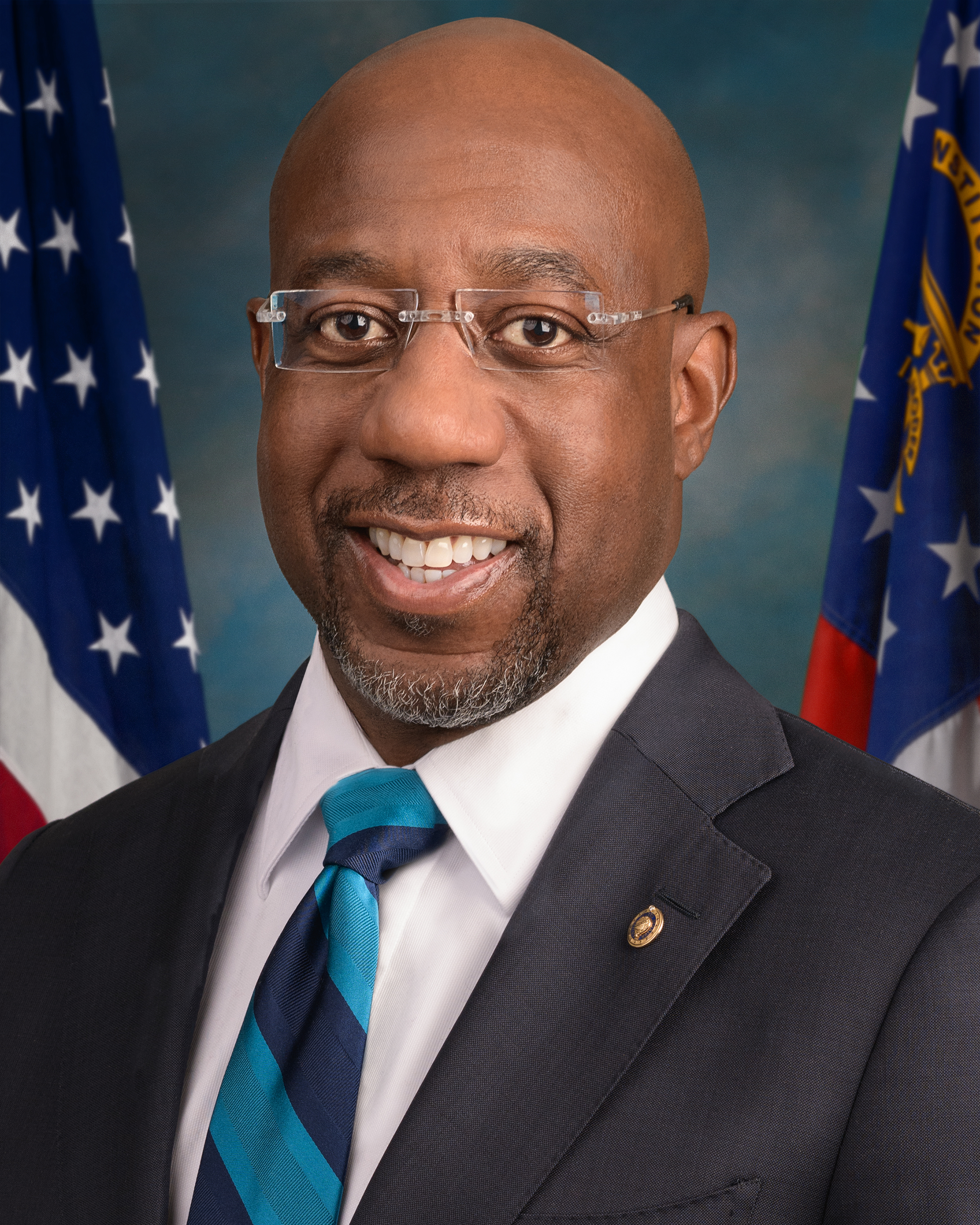
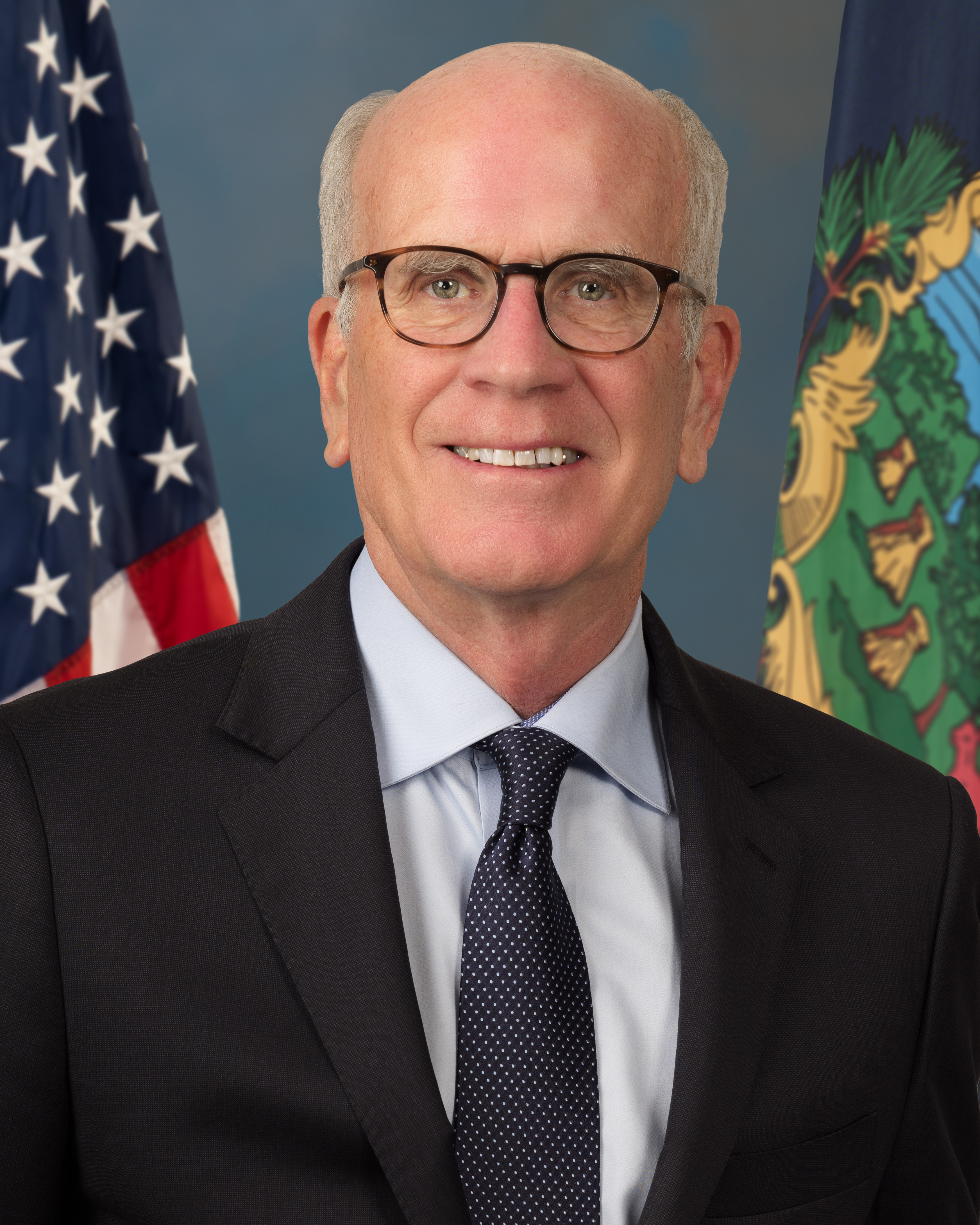
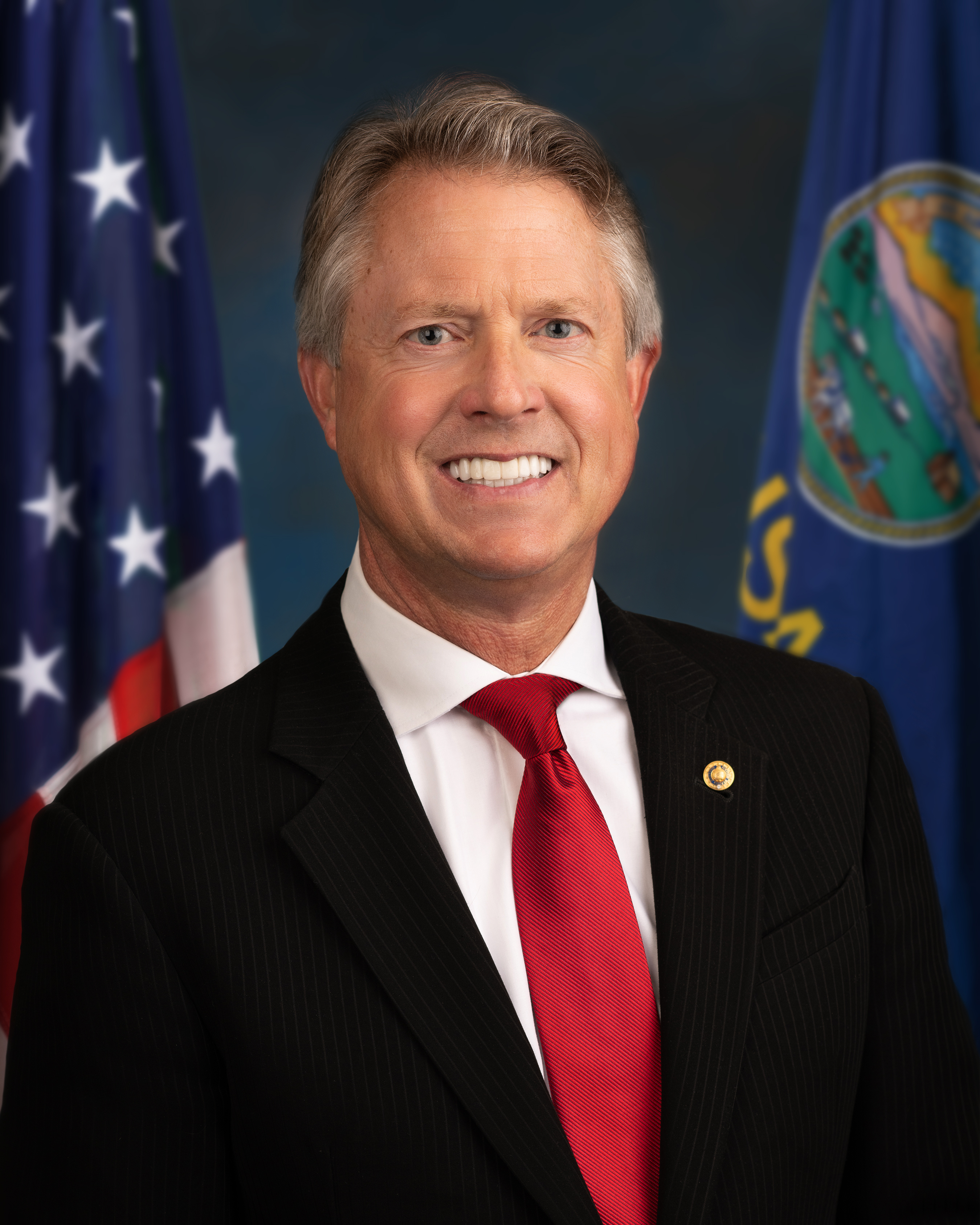
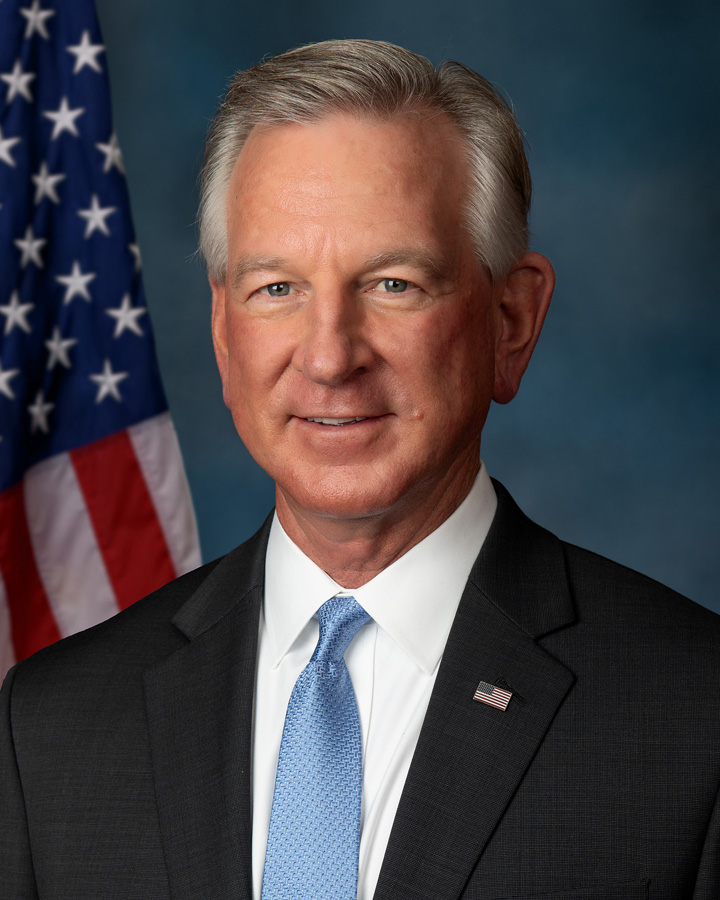
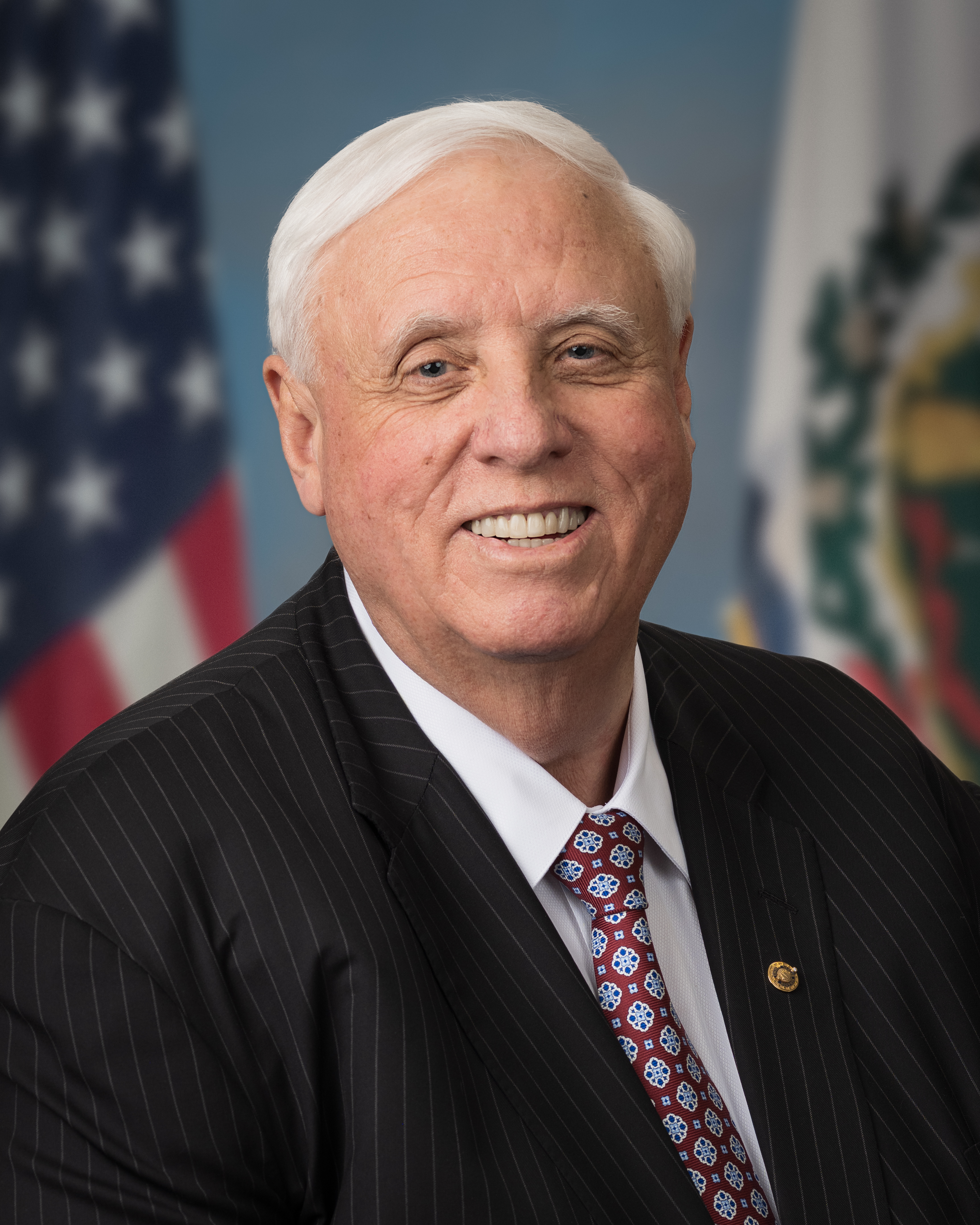
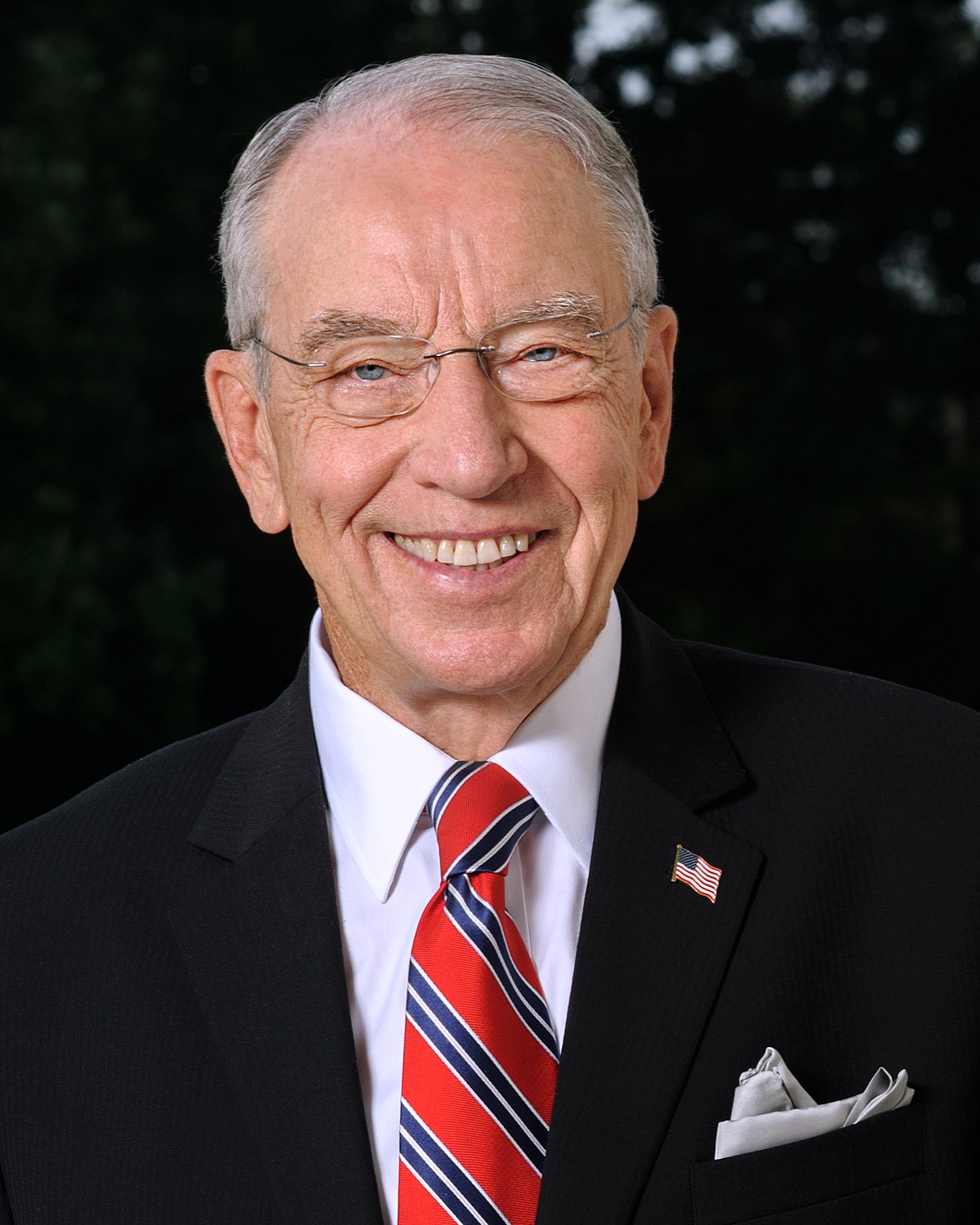
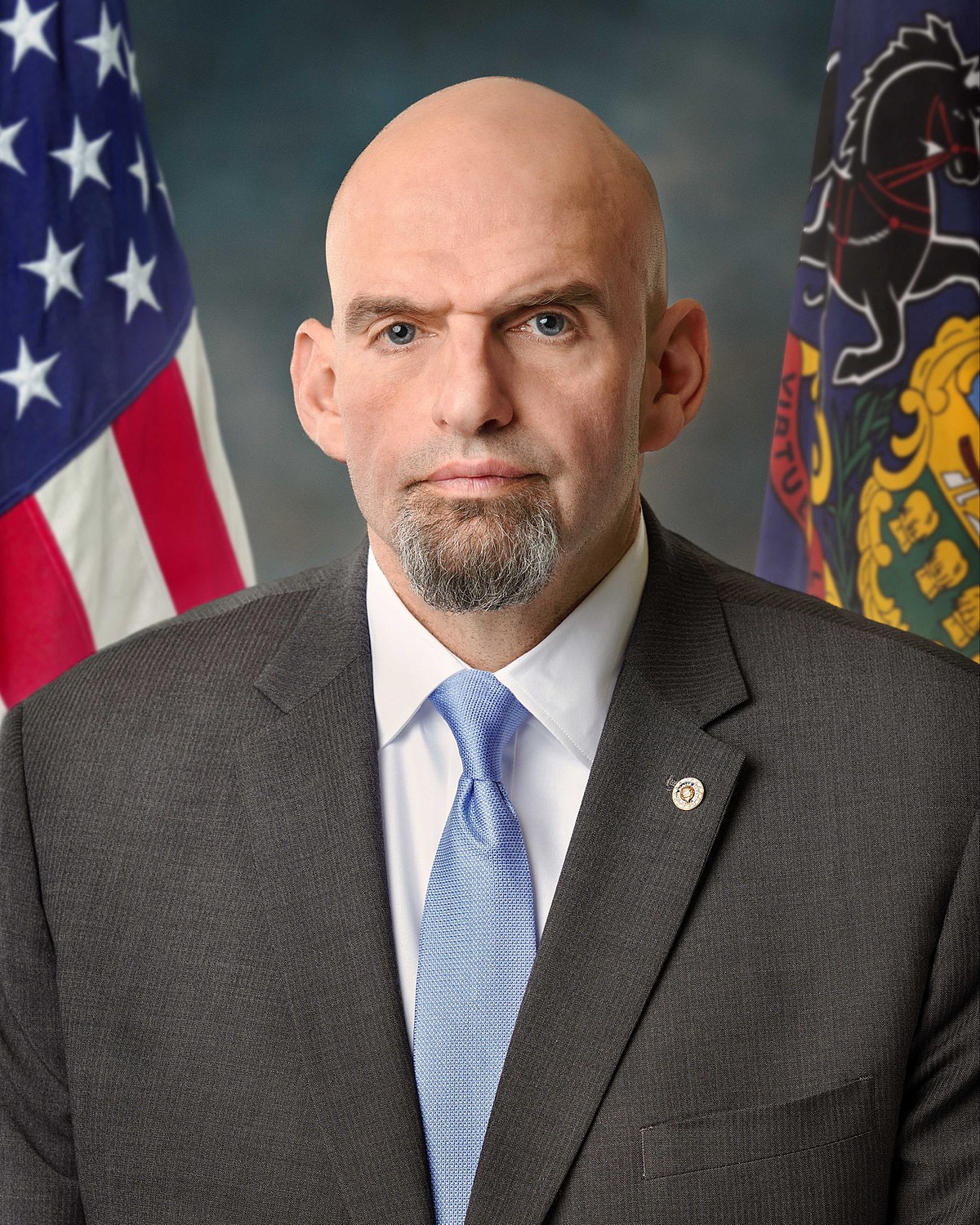
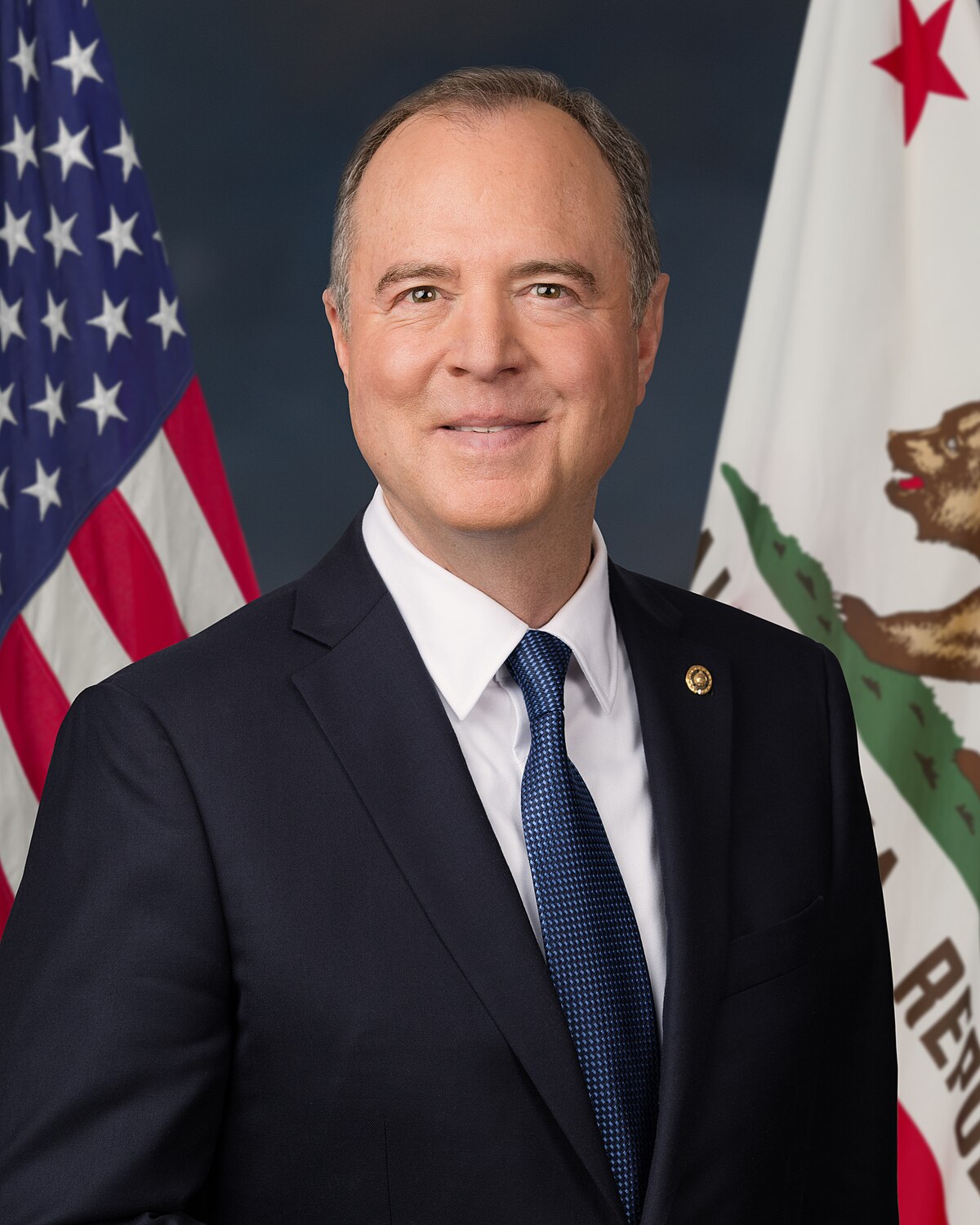

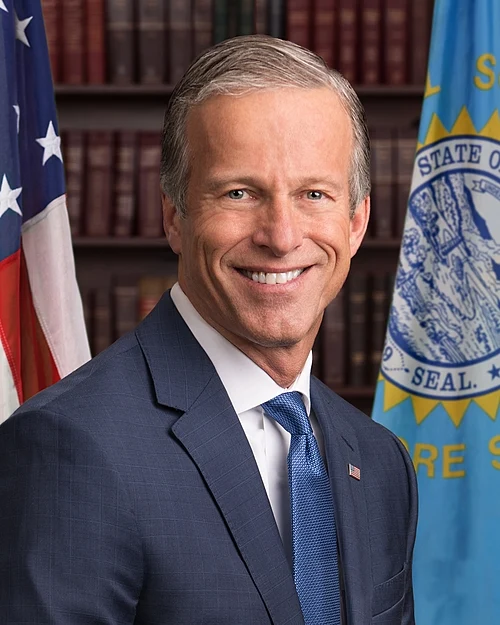
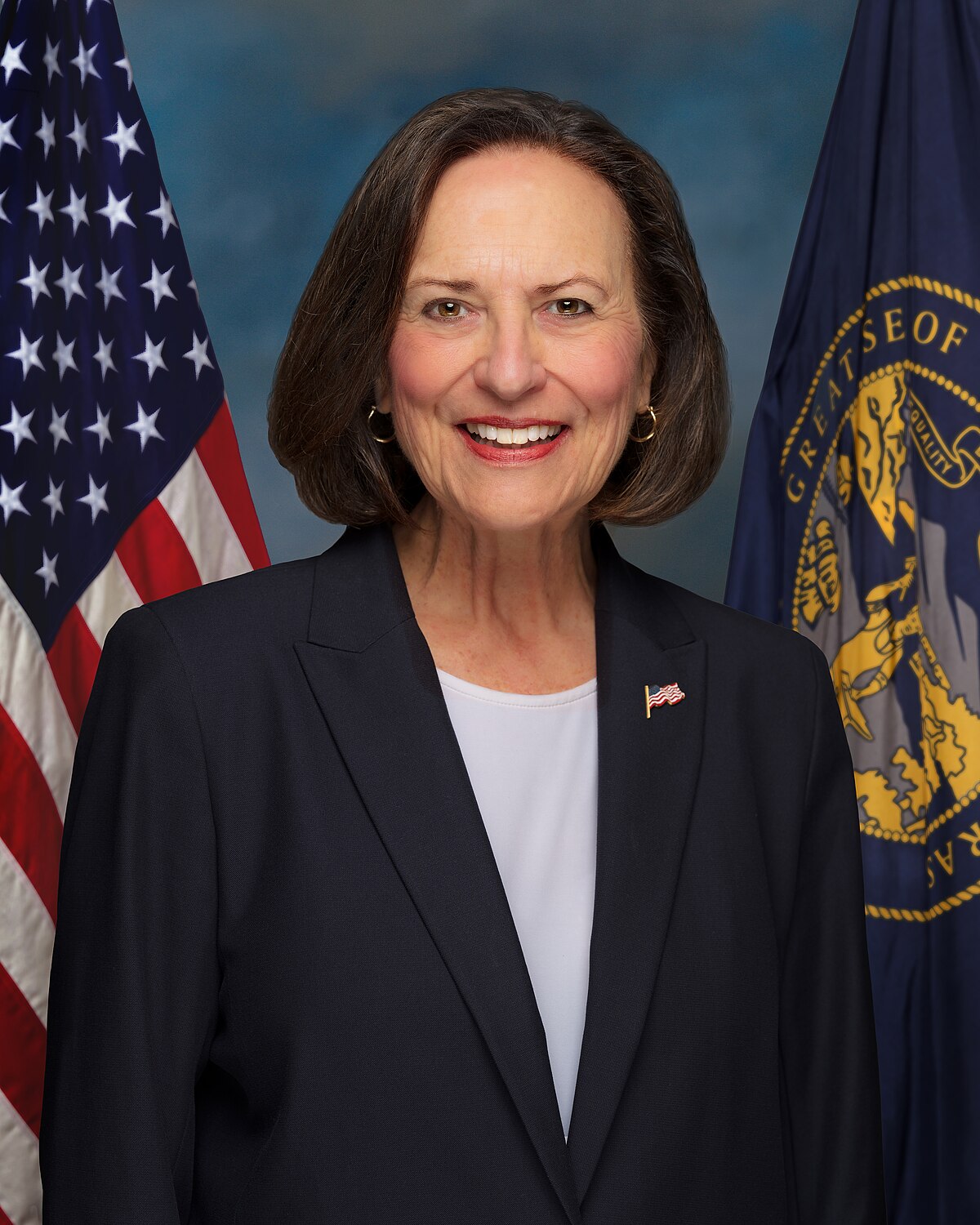
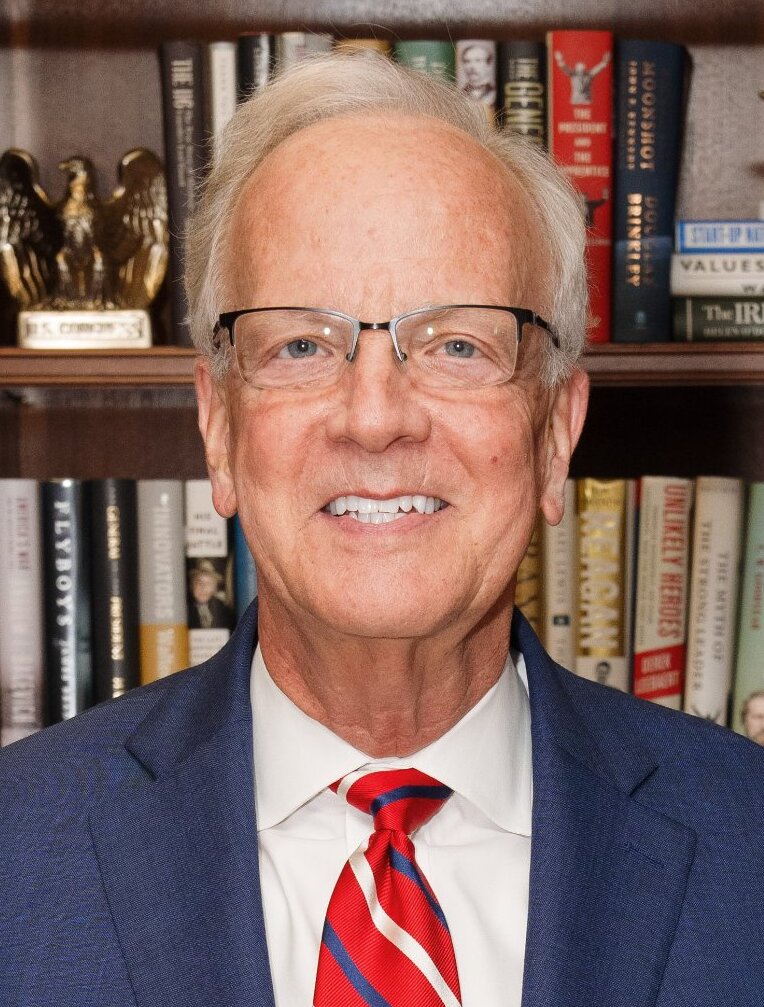
Klobuchar (Ranking Member) appears at the far left of the outer arc; Boozman (Chair) at the far right. Democrats are grouped on the left side of the semicircle, Republicans on the right. Click any member to open their profile page.
Proposed Bills
Agriculture Committee - Drafts & InitiativesUnited States Grain Standards Reauthorization Act of 2025
The United States Grain Standards Reauthorization Act of 2025 extends the U.S. Grain Standards Act through FY2030, allowing the USDA to continue collecting fees for grain inspection and weighing services while maintaining oversight and quality standards. It excludes technology and equipment costs from the 30% administrative cap, reclassifies inspection fees into a trust fund, and permits inspections of domestic grain at export ports. The bill also emphasizes adopting improved grain grading technology, enhancing cooperation with official agencies, expanding reporting requirements, and ensuring advisory committee continuity..
Fire Safe Electrical Corridors Act of 2025
This bill authorizes the Forest Service and the Bureau of Land Management (BLM) to streamline the removal of trees and vegetation near electrical lines on their lands to reduce fire risks and improve safety. It allows utilities, under special use permits or easements, to cut, remove, and sell vegetation without a separate timber sale, provided the actions comply with land management plans and environmental laws. If utilities sell the removed material, they must return the proceeds—minus transportation costs—to the Forest Service or BLM.
Flatside Wilderness Additions Act
This bill adds specified lands to the Flatside Wilderness in the Ouachita National Forest in Arkansas. The bill also redesignates the wilderness as the Flatside-Bethune Wilderness.
Emergency Wildfire Fighting Technology Act of 2025
This bill directs the Forest Service and the Department of the Interior to jointly assess the effectiveness of the container aerial firefighting system, which uses disposable, airdrop-capable containers filled with water or fire retardant to combat wildfires. The agencies must evaluate the system’s potential to enhance wildfire mitigation and suppression efforts and report their findings to Congress.
Continued Rapid Ohia Death Response Act of 2025
This bill addresses the spread of Rapid Ohia Death, a fungal disease threatening Hawaii’s native ʻōhiʻa trees. It requires the Department of the Interior to collaborate with the USDA and the state of Hawaii to control and mitigate the disease. The U.S. Geological Survey and the Forest Service’s Institute of Pacific Islands Forestry must continue researching the fungus’s transmission, while the U.S. Fish and Wildlife Service works with partners to manage ungulate populations in affected areas. The Forest Service must also provide funding, staffing, and infrastructure support to research the disease and restore Hawaii’s native forests.
Lake Winnibigoshish Land Exchange Act of 2025
This bill authorizes a land exchange between the Forest Service and Big Winnie Land and Timber, LLC (BWLT) involving property along the shoreline of Lake Winnibigoshish in Minnesota’s Chippewa National Forest. The exchanged land acquired by the Forest Service will be incorporated into the national forest. The bill sets conditions for the exchange, including a required Phase I Environmental Site Assessment, an equal-value requirement (or cash equalization), and a reserved road access easement for the Forest Service. BWLT must cover all associated closing costs.