What the Committee Does
The HELP Committee writes and oversees laws that govern public health, medical research, workplace safety, collective bargaining, pensions, and America's education system from early childhood through college. Its jurisdiction includes the Department of Health and Human Services, the Department of Education, and key labor agencies.
The committee handles issues such as student loans and college affordability, school nutrition, workforce training, workplace discrimination, retirement security, and preparedness for pandemics and other public health emergencies. It also oversees major health programs outside Medicare and Medicaid, including the FDA and public health block grants.
Led by the Chair and Ranking Member, HELP regularly convenes hearings with physicians, educators, labor leaders, employers, and advocates. Its bills often become the main vehicles for major health, education, and labor reforms affecting classrooms, clinics, and workplaces nationwide.
Committee Membership
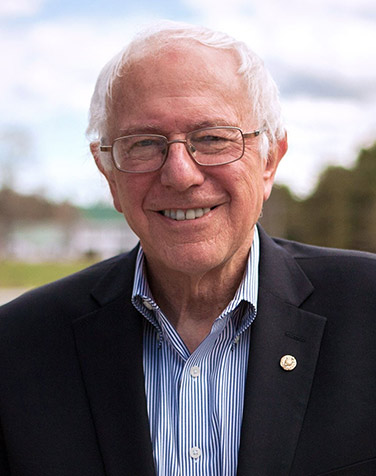
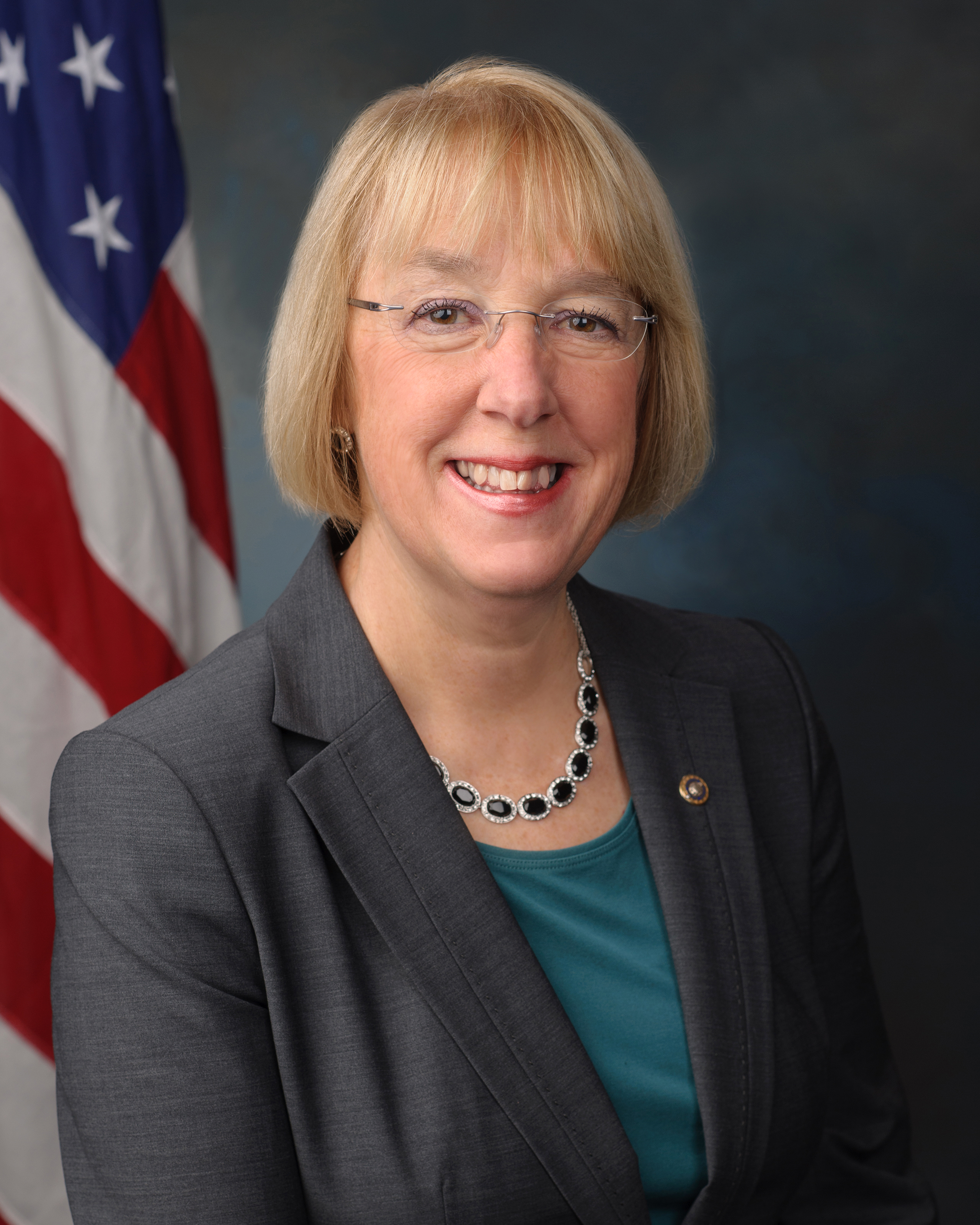

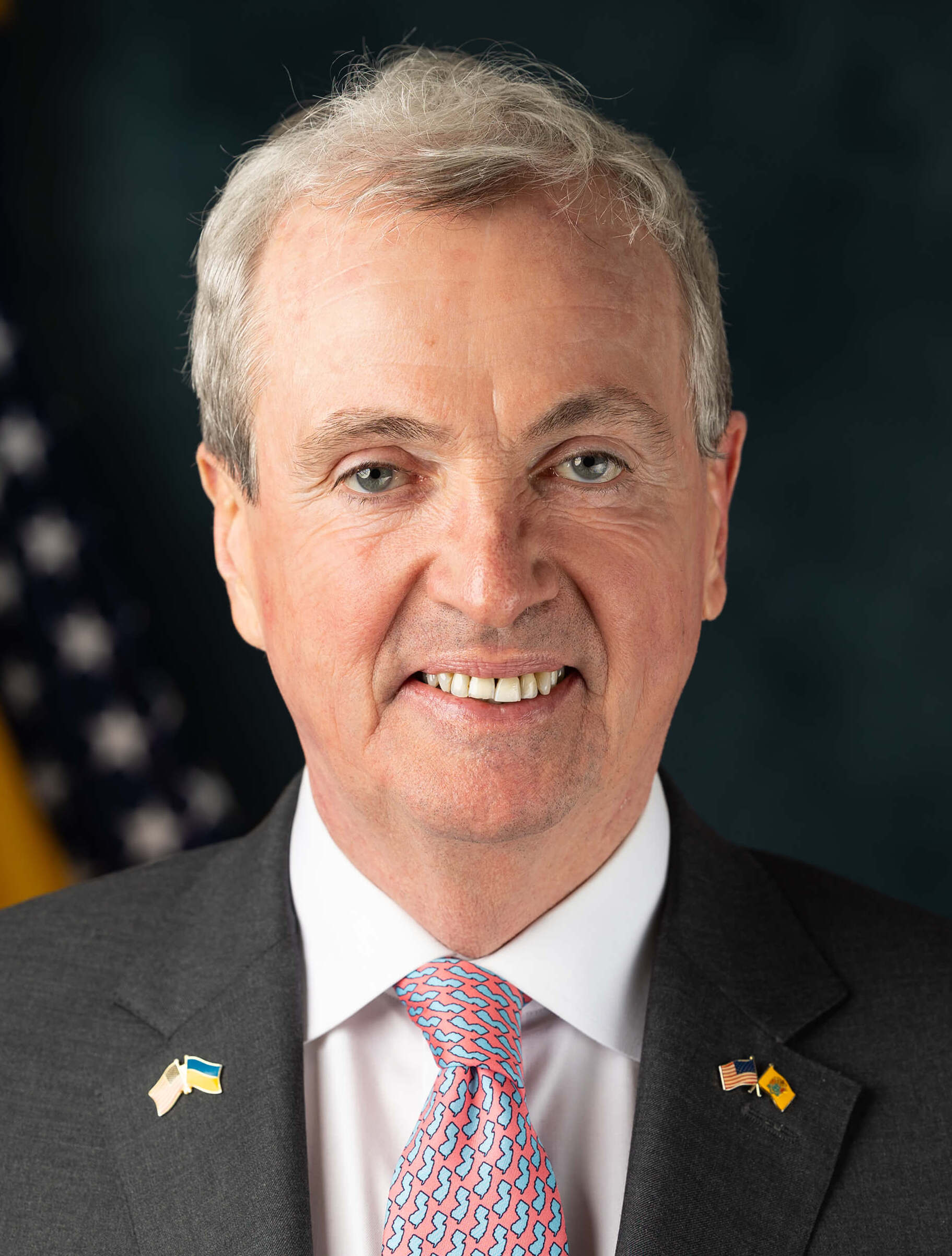
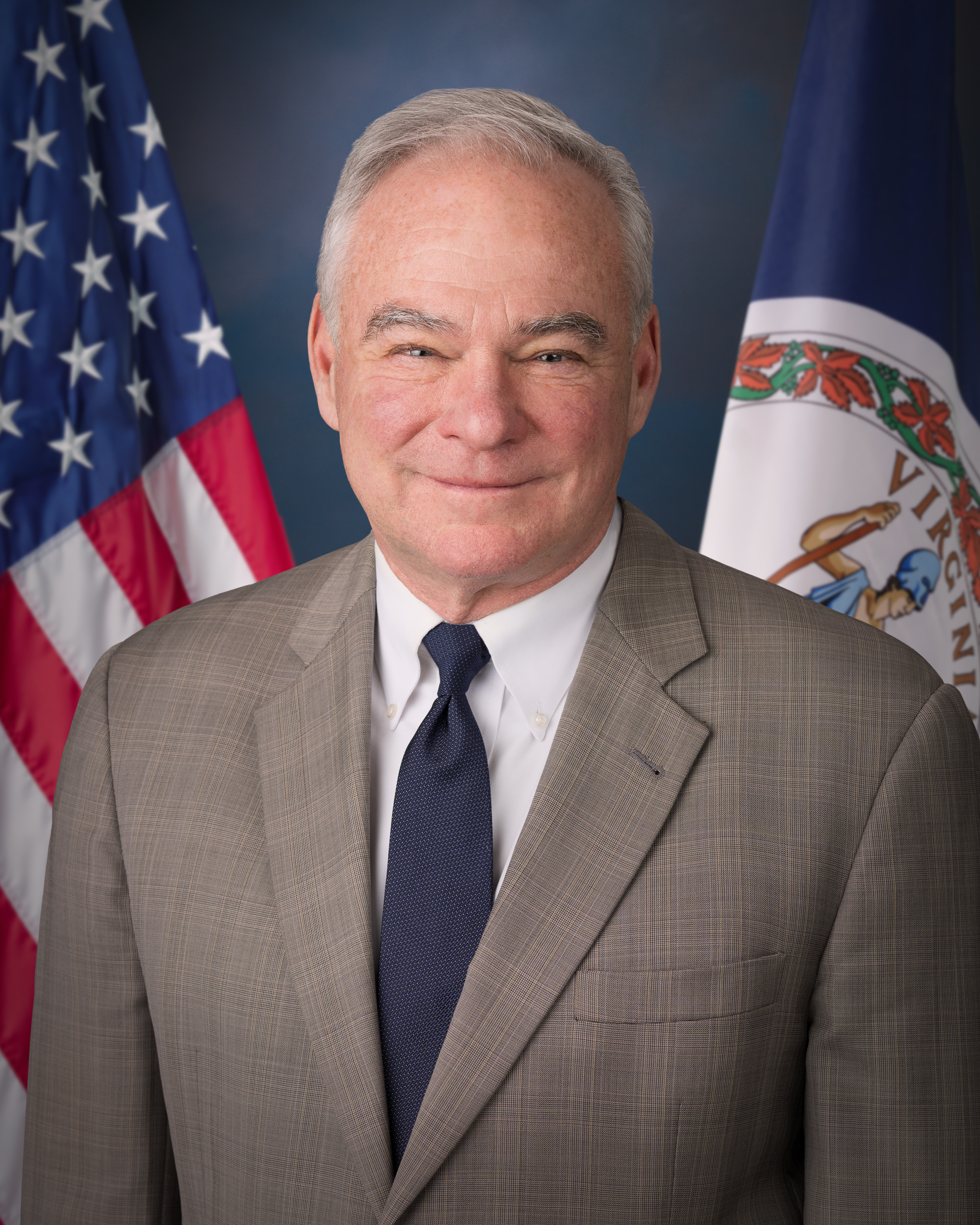
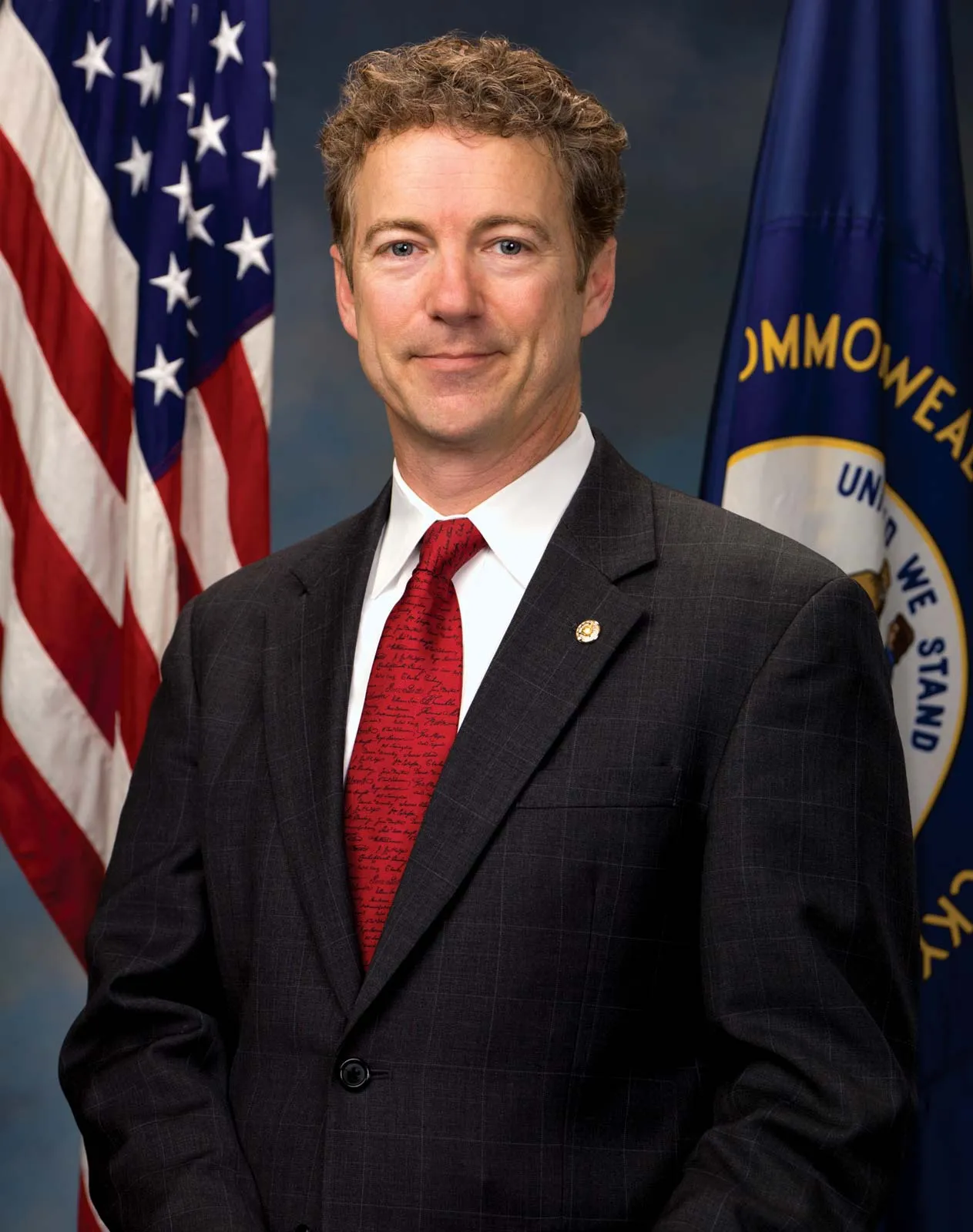


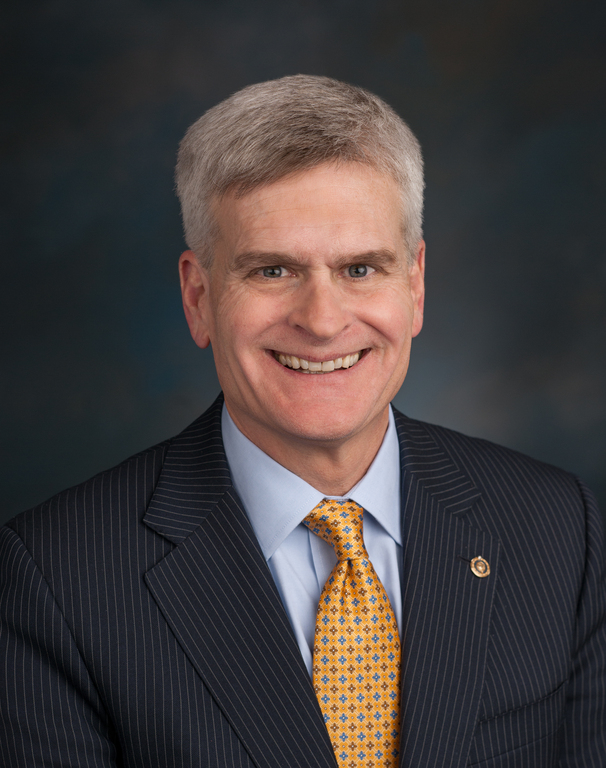
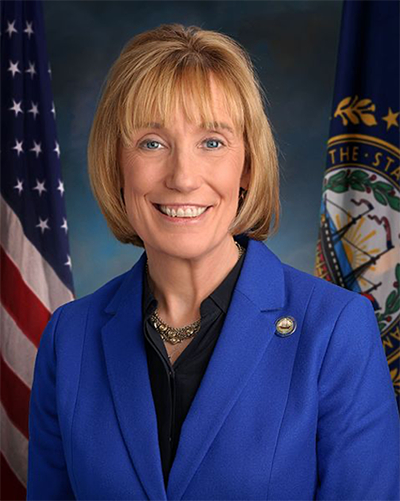

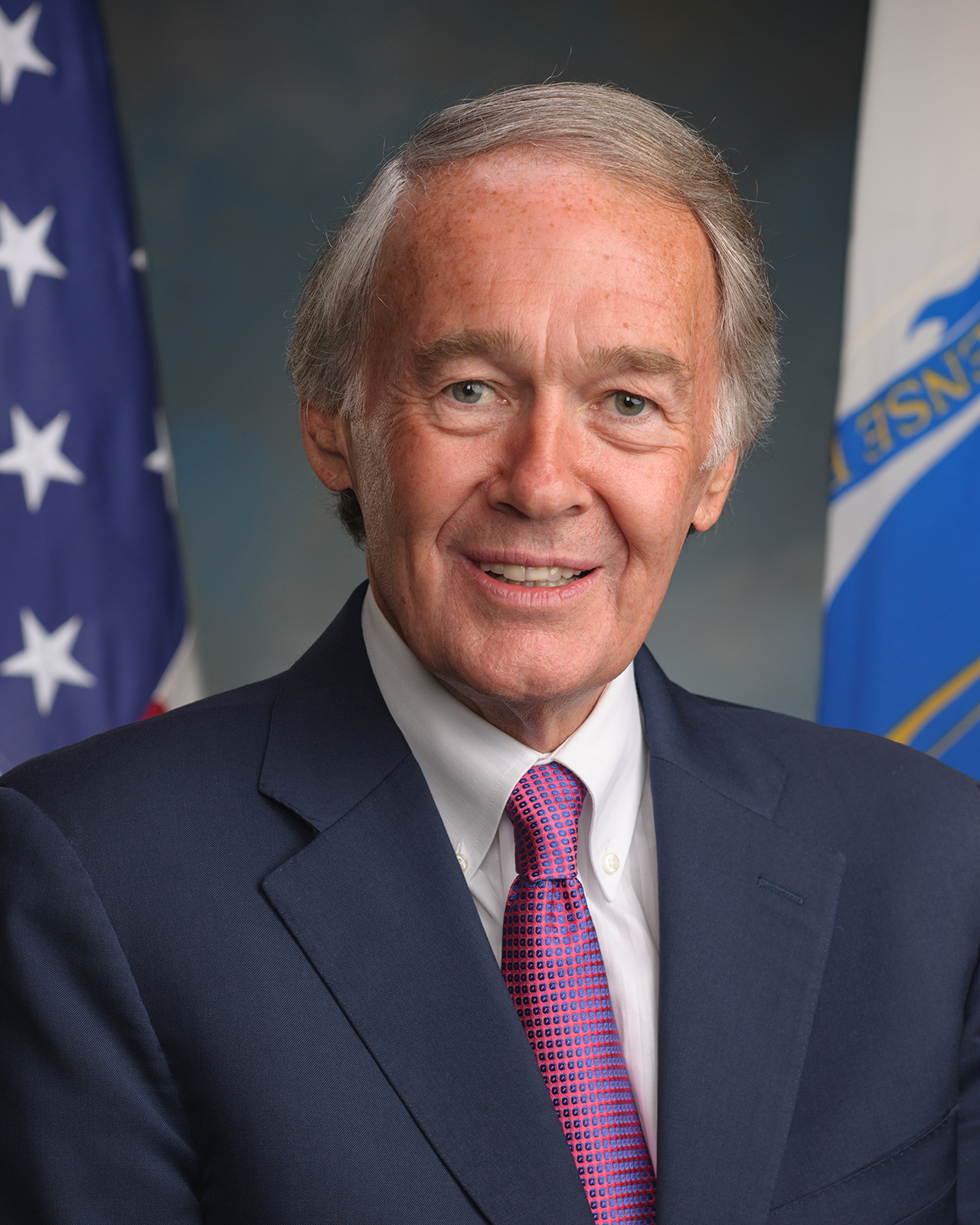
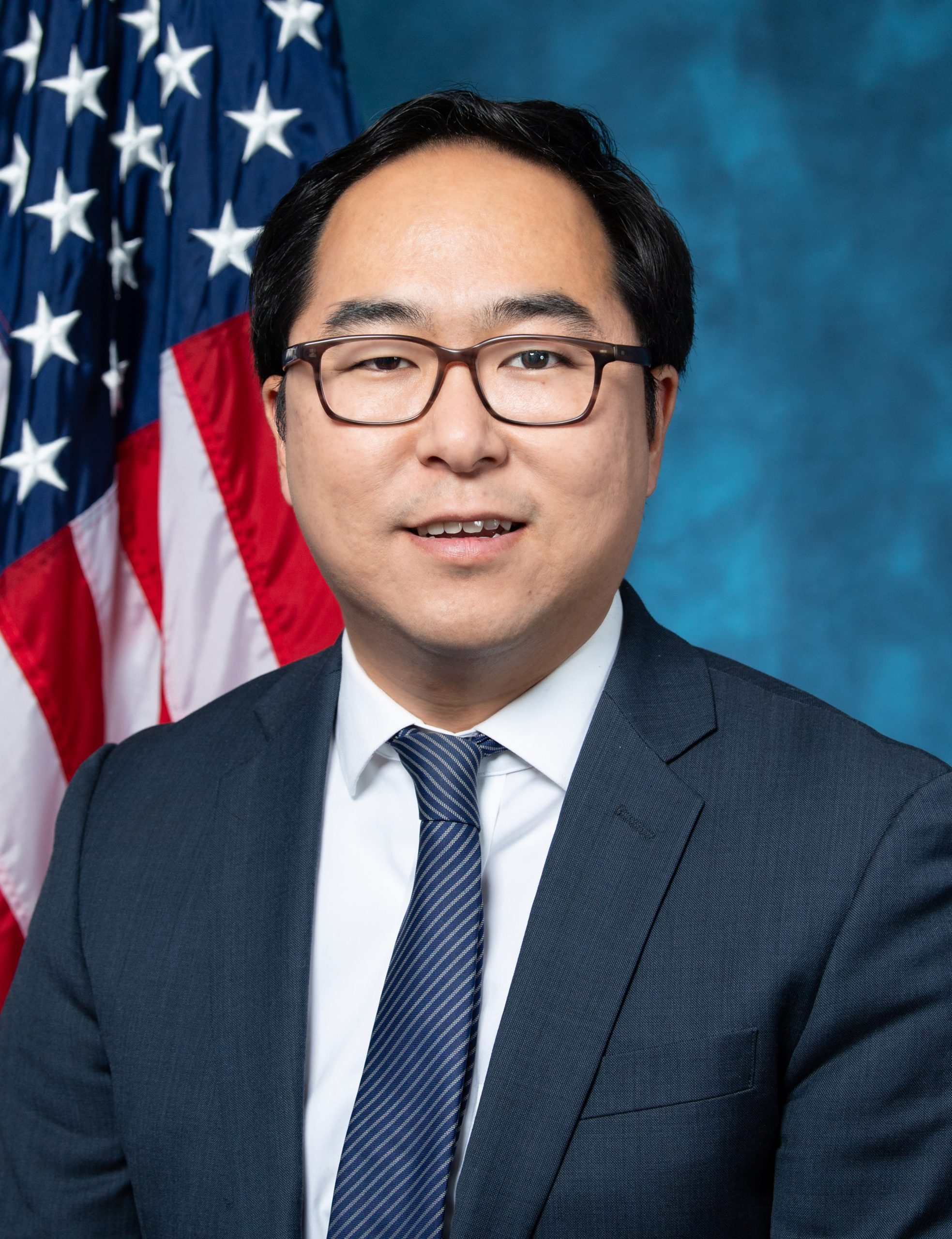
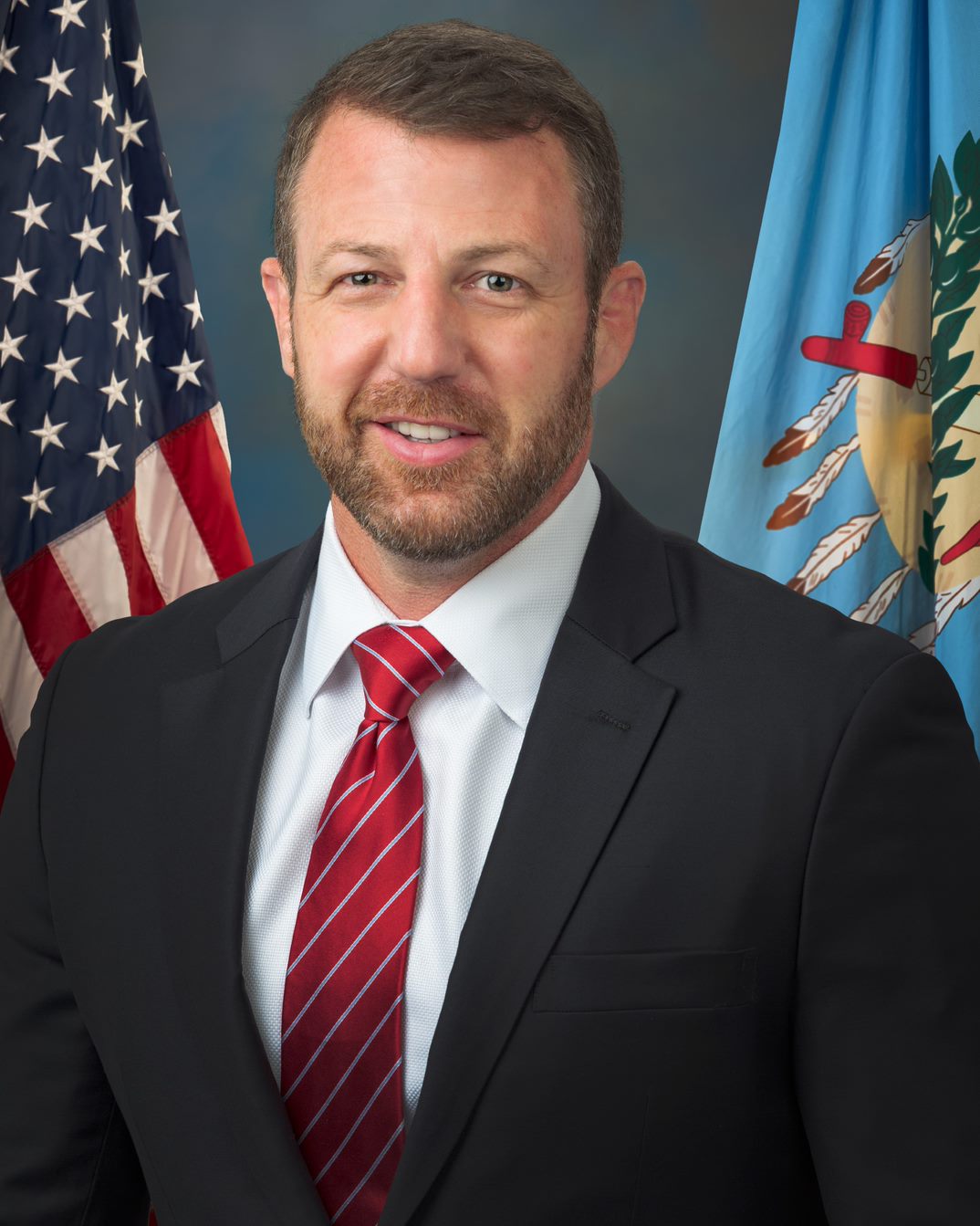
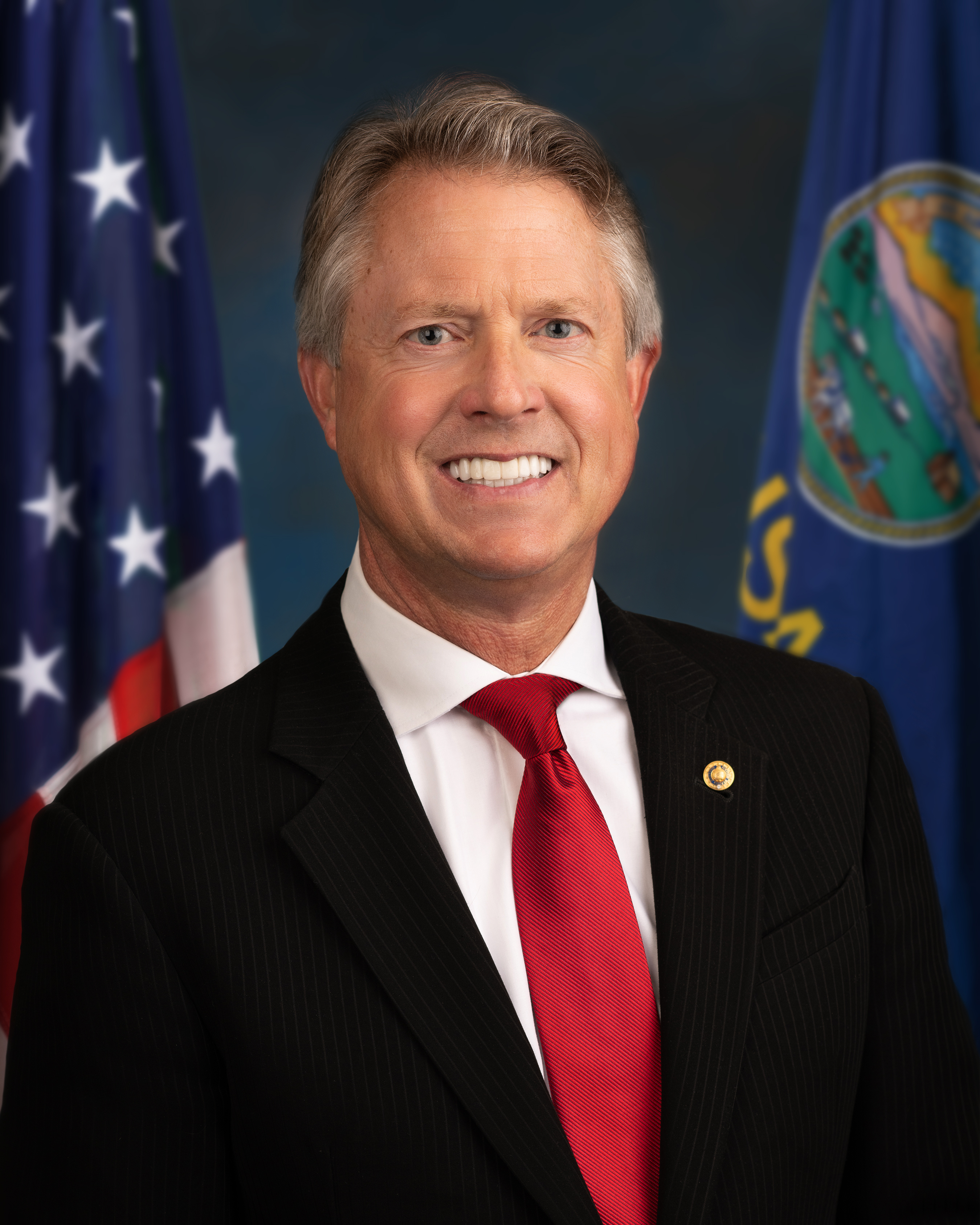
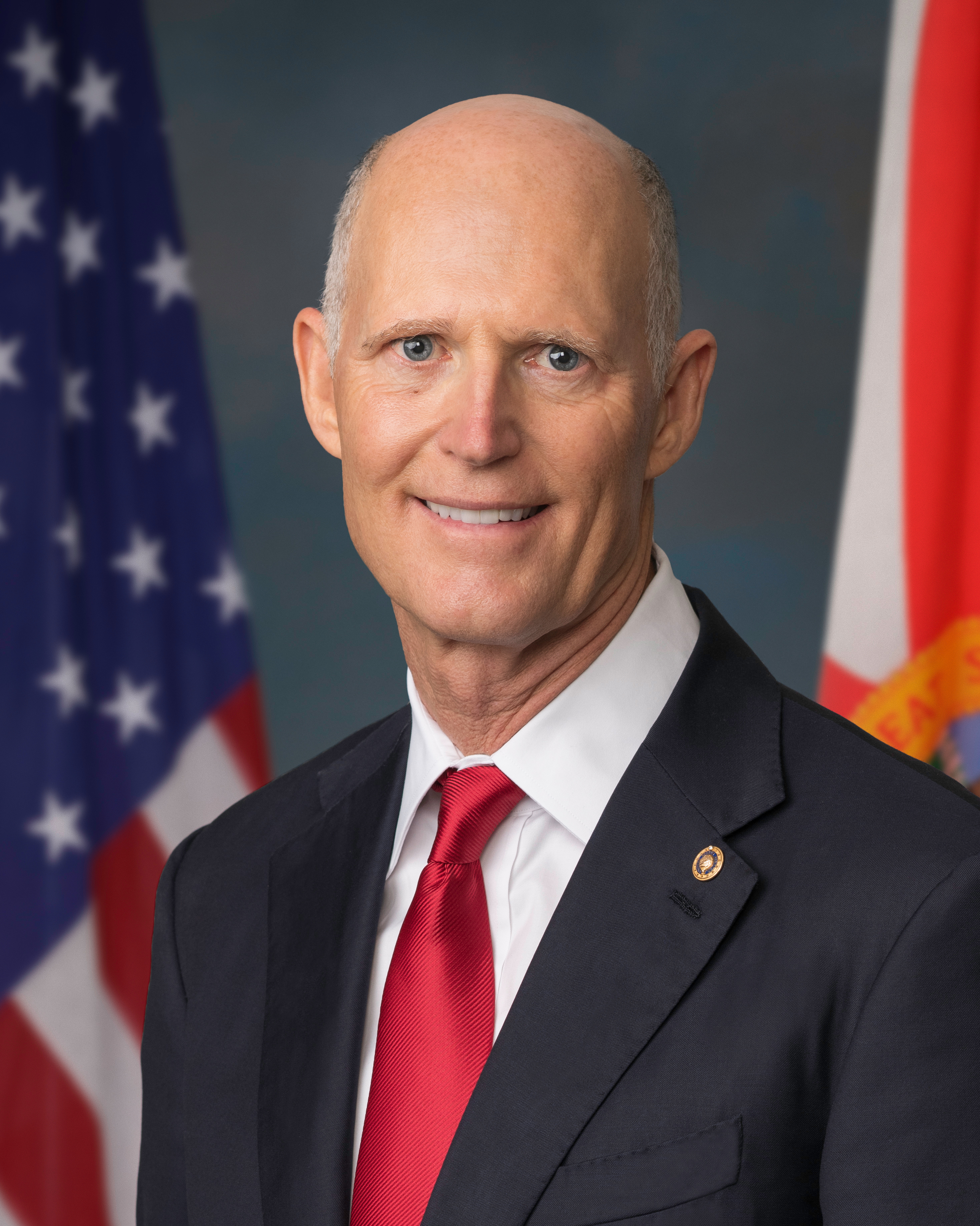
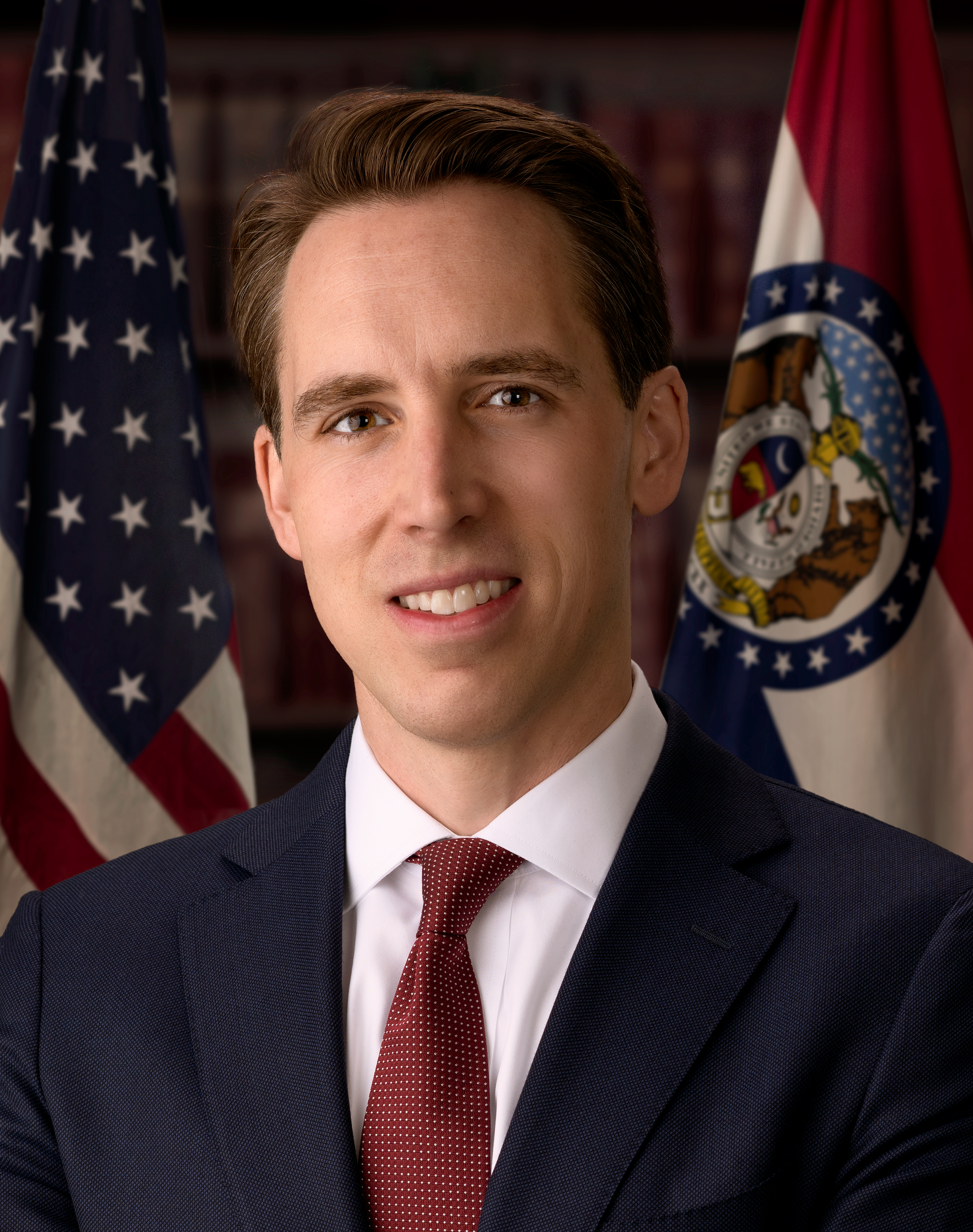
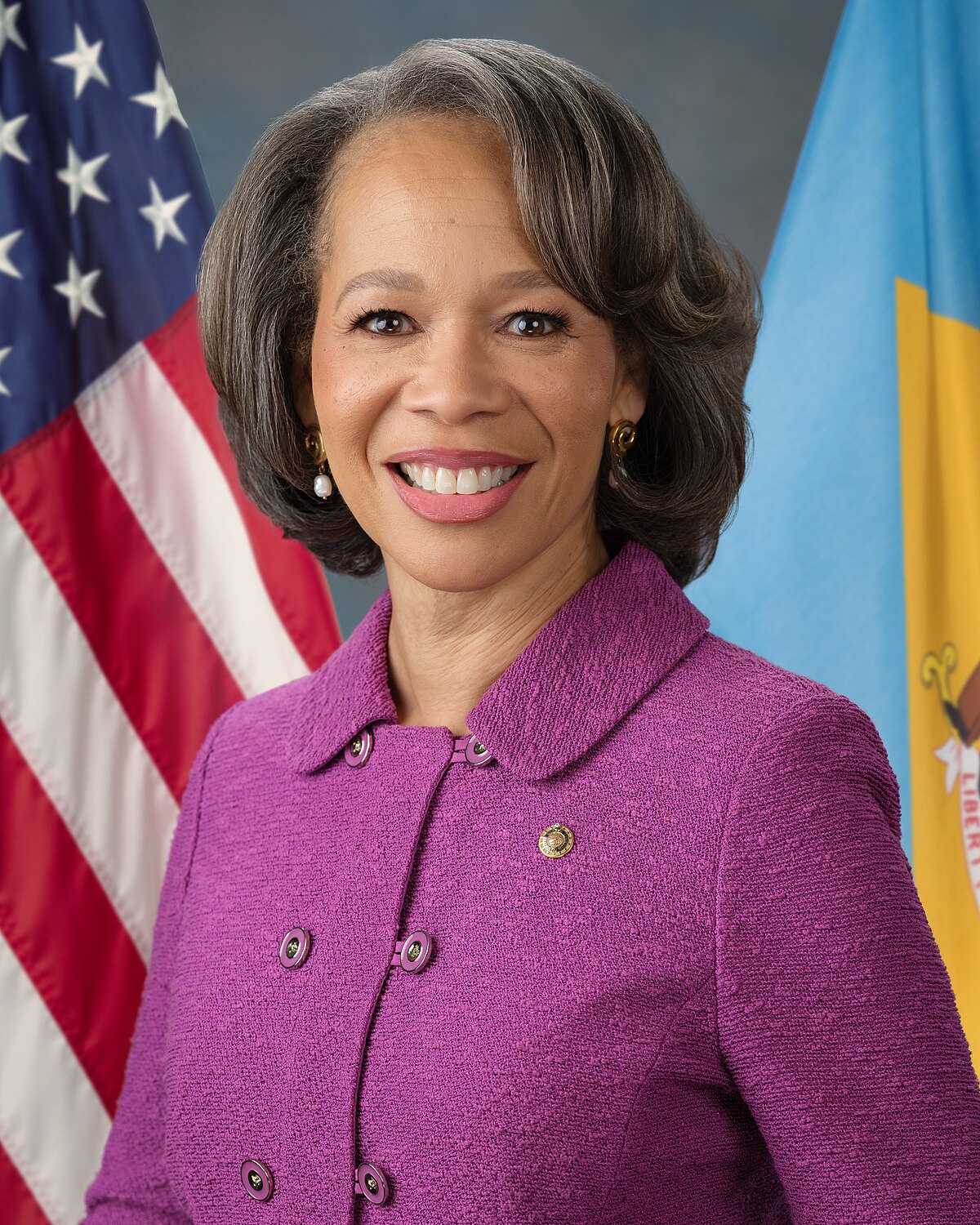

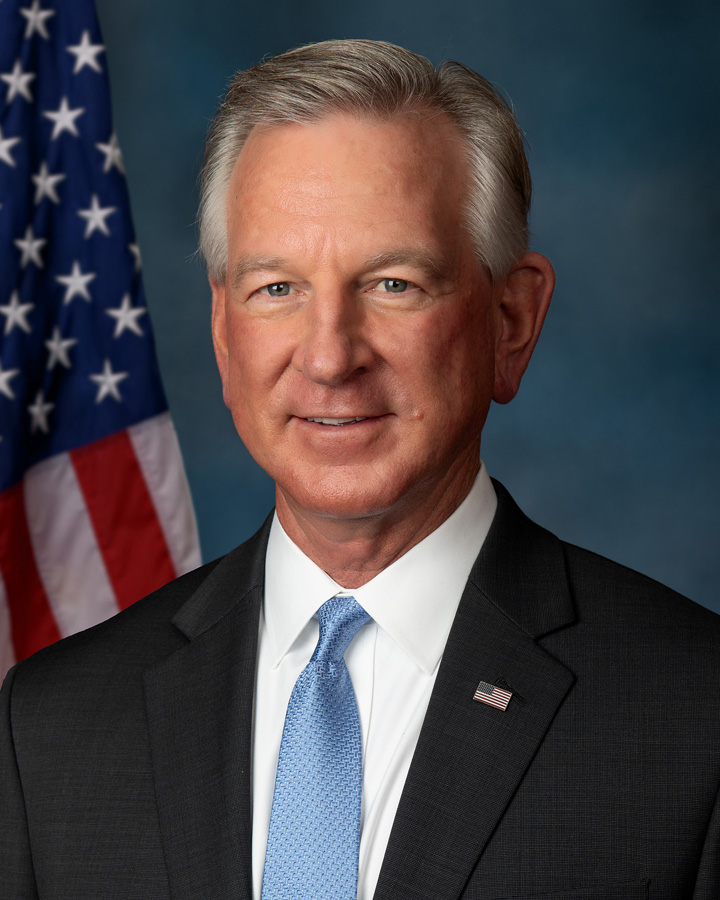

Sanders (Ranking Member) appears at the far left of the outer arc; Cassidy (Chair) at the far right. Democrats cluster on the left, Republicans on the right.
Key HELP Committee Measures
Recent health, education, labor, and retirement actionsRetire through Ownership Act
The Retire through Ownership Act encourages employee ownership as a tool for building retirement security. It expands incentives and technical assistance for businesses that transition to employee stock ownership plans (ESOPs) or similar models, with a focus on workers in small and mid-sized firms who may lack robust employer retirement plans.
Employee Ownership Representation Act of 2025
S.1728 strengthens the voice of employee-owners in companies that adopt broad-based ownership structures. The bill promotes worker representation in governance and requires clearer disclosure of rights and responsibilities in employee-ownership arrangements, aligning corporate decision-making with long-term workforce and community interests.
Uniformed Services Leave Parity Act
The Uniformed Services Leave Parity Act ensures that service members receive equal treatment in leave and benefit policies when called to active duty, training, or deployments. It aims to harmonize leave protections across employers, reduce gaps in coverage, and support Guard and Reserve members balancing civilian jobs with military obligations.
Ensuring a child-centered and compassionate foster care and adoption system
S.Res.516 calls for a child-centered approach to foster care and adoption, with particular emphasis on supporting young people aging out of the system. It urges better access to housing, education, mental health care, and workforce programs so that former foster youth can transition successfully to independent adulthood.
Recognizing PCOS Awareness Month and the seriousness of polycystic ovary syndrome
This resolution recognizes polycystic ovary syndrome (PCOS) as a serious, underdiagnosed health condition affecting millions of women and people assigned female at birth. It supports designating September 2025 as “PCOS Awareness Month” and encourages increased research, better clinical guidelines, and public education to improve diagnosis and treatment.