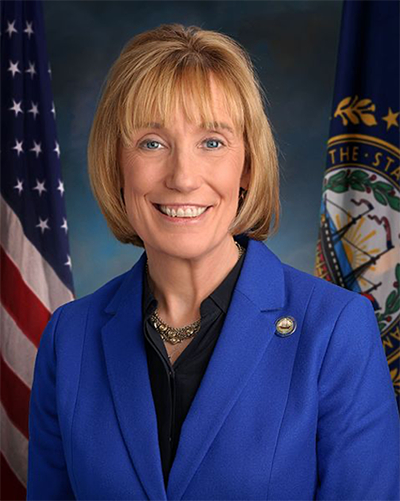
Maggie Hassan is the junior United States senator from New Hampshire, serving since 2017. A pragmatic Democrat with a governor’s governing style, she first won her Senate seat in 2016 by a razor-thin margin and then secured reelection in 2022 by a much wider spread.
Born February 27, 1958, in Boston, Massachusetts, Hassan earned her B.A. from Brown University and her J.D. from Northeastern University School of Law. Before elective office, she worked as an attorney and served in legal counsel roles, then entered New Hampshire politics through a state policy and civic track.
Hassan served as governor of New Hampshire from 2013 to 2017, where she emphasized economic growth, workforce development, and healthcare access. In the Senate, her brand is bipartisan problem-solving with a strong home-state focus: prescription drug pricing, infrastructure and broadband, veterans’ services, and committee-driven oversight.
Ideologically, she’s center-left on economics, reliably liberal on many social issues, and more hawkish than many progressives on national security and enforcement-oriented governance fights.
Moderate Democrat
Committee Assignments
Caucus Memberships
Achievements
- Won a pivotal 2016 Senate race in New Hampshire and consolidated support with a strong reelection win in 2022.
- Expanded Medicaid as governor and emphasized workforce development and pragmatic economic growth in New Hampshire.
- Focused Senate portfolio on prescription drug affordability, broadband and infrastructure, and veterans’ services.
- Built a reputation for bipartisan, committee-driven legislating rather than media-first politics.
- Active on oversight and federal spending management through Homeland Security and related committee work.
Controversies
- Criticized by progressives for a more centrist posture on some fiscal and enforcement-related issues.
- Has drawn pushback from the left for a relatively hawkish vote profile compared with the party’s progressive wing.
- At times faces tension between New Hampshire’s swing-state pragmatism and national Democratic priorities.
- Opponents frequently frame her bipartisan brand as “too close to establishment leadership,” especially in high-salience years.
- Fundraising links to major advocacy groups and issue orgs are a recurring line of attack from critics.
Top Donors
| Donor | Total | Individuals | PACs |
|---|---|---|---|
| EMILY's List | $469,489 | $459,489 | $10,000 |
| JStreetPAC | $153,907 | $152,907 | $1,000 |
| Google Inc | $94,138 | $84,138 | $10,000 |
| Harvard University | $80,730 | $80,730 | $0 |
| American Israel Public Affairs Cmte | $77,650 | $67,650 | $10,000 |
Amounts shown reflect organization-linked giving; most funds listed here are from individual donors or aligned PACs.
Recent Elections

2016 Margin D +0.1%

2022 Margin D +9%