What the Committee Does
The Budget Committee is responsible for drafting the annual congressional budget resolution, which sets total levels of spending, revenues, the deficit, and public debt. While it does not write detailed tax or spending bills, its resolutions provide the fiscal blueprint that guides the Appropriations, Finance, and other committees.
A key tool of the committee is the budget reconciliation process, which allows certain fiscal legislation to pass the Senate with a simple majority. The committee also oversees the Congressional Budget Office (CBO), monitors compliance with budget rules and caps, and evaluates the long-term sustainability of federal programs and the national debt.
Led by a Chair from the majority party and a Ranking Memberfrom the minority, the committee holds hearings with administration officials, economists, and outside experts to assess the President's budget, macroeconomic trends, and the impact of fiscal policy on growth, inflation, and inequality.
Committee Membership

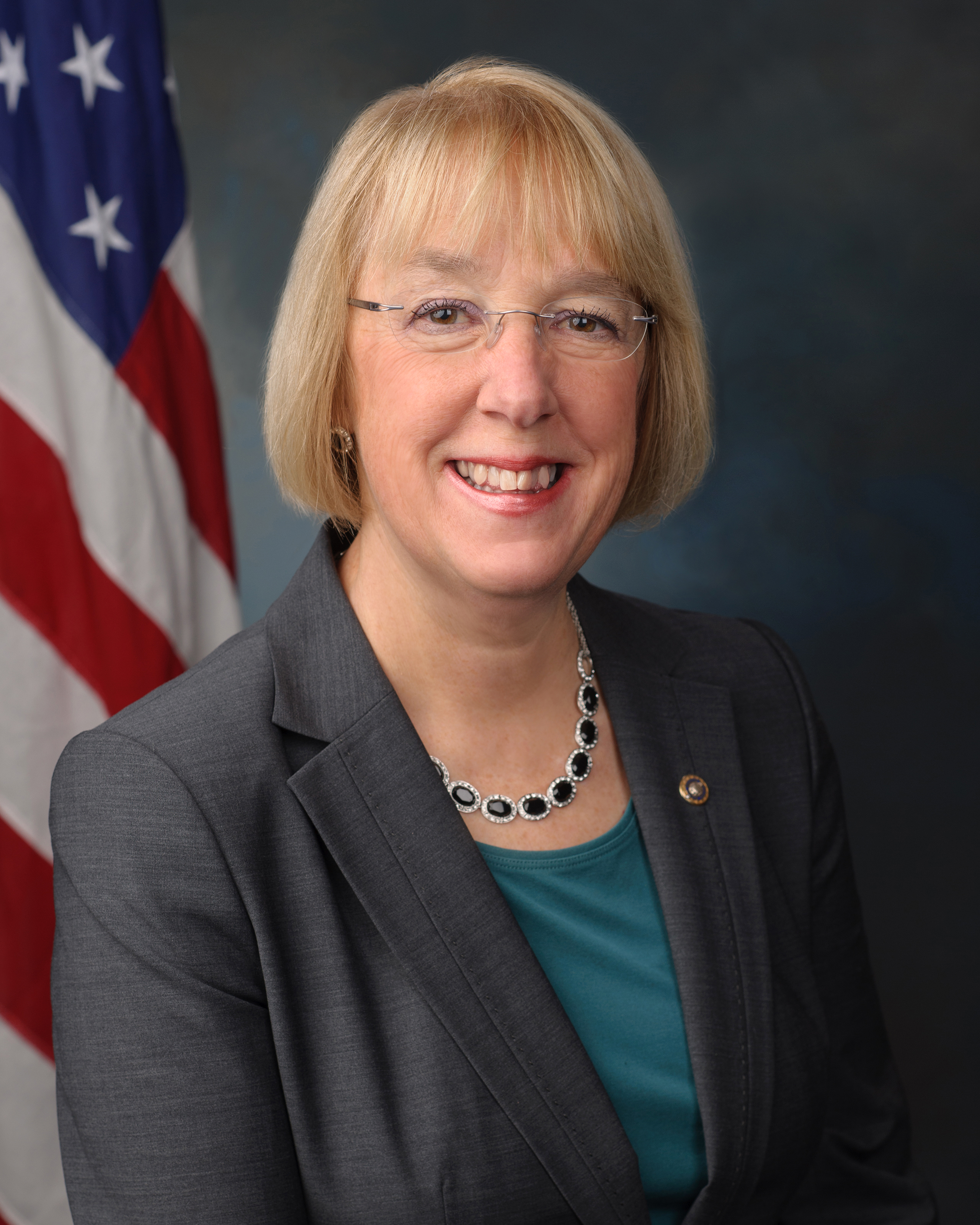
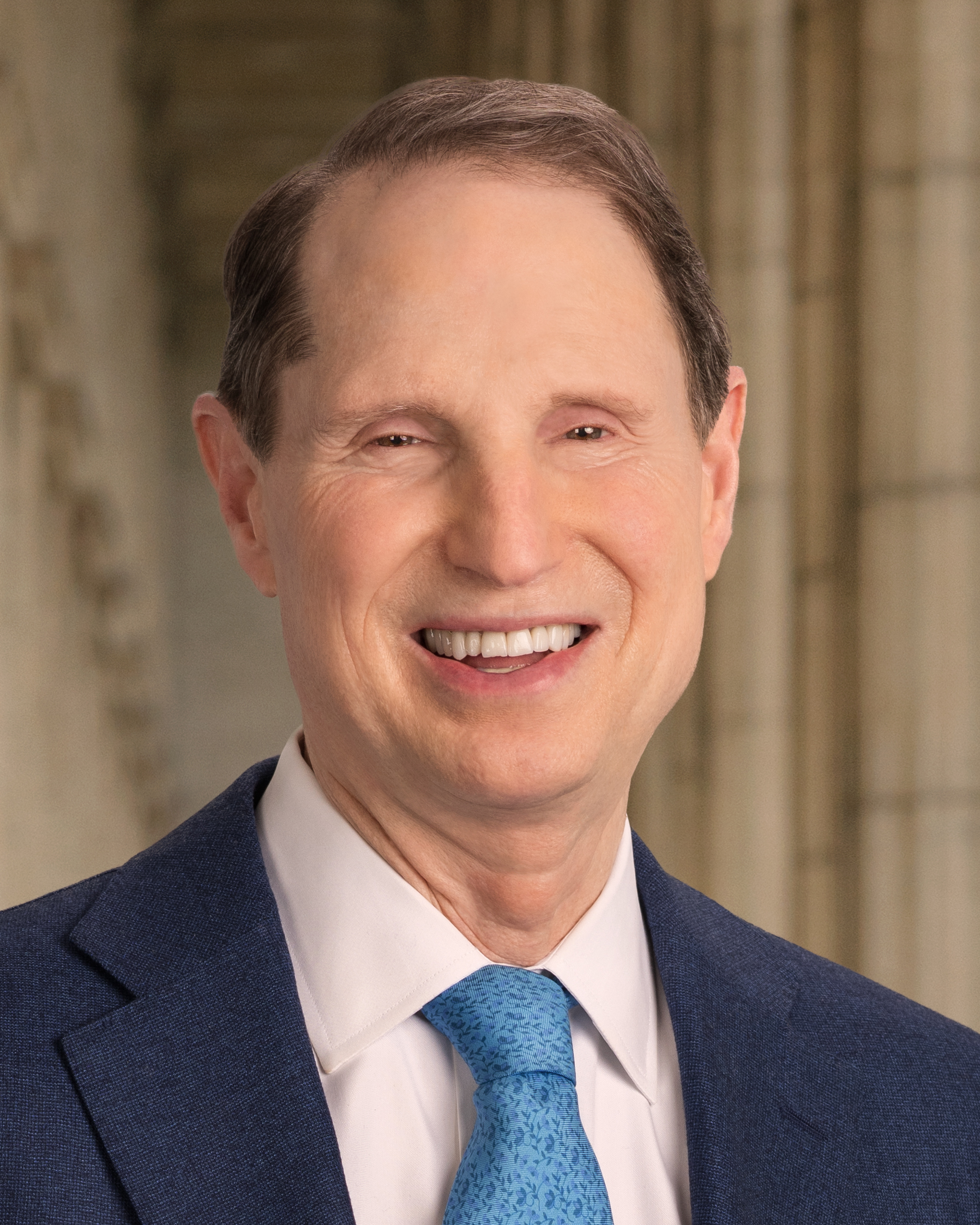
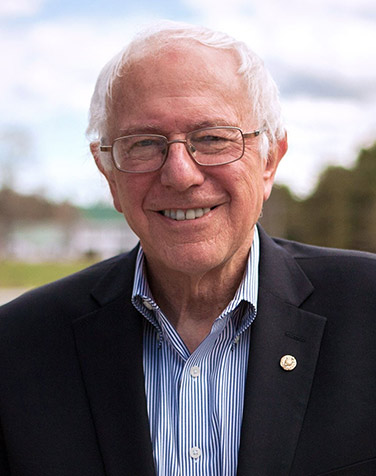
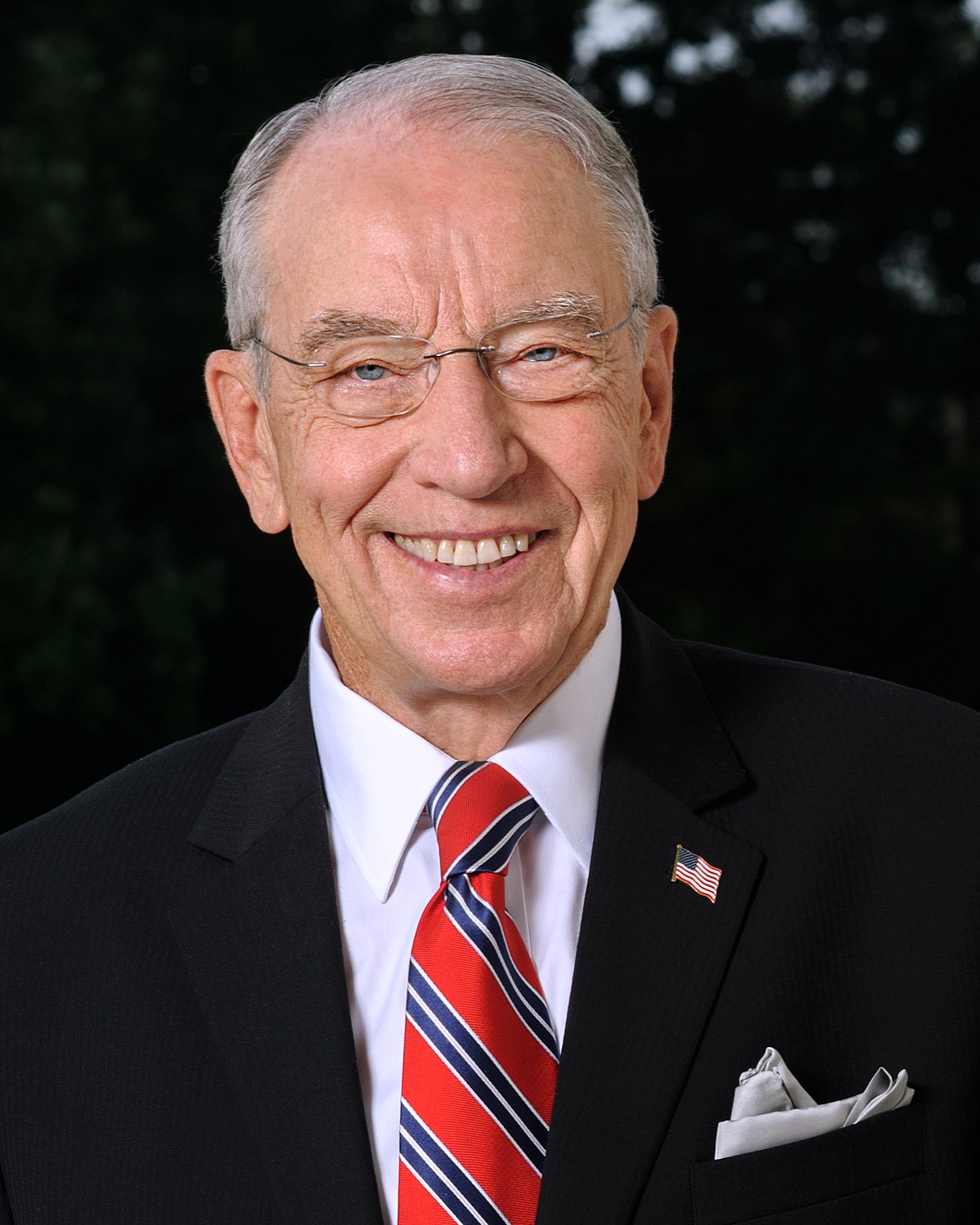

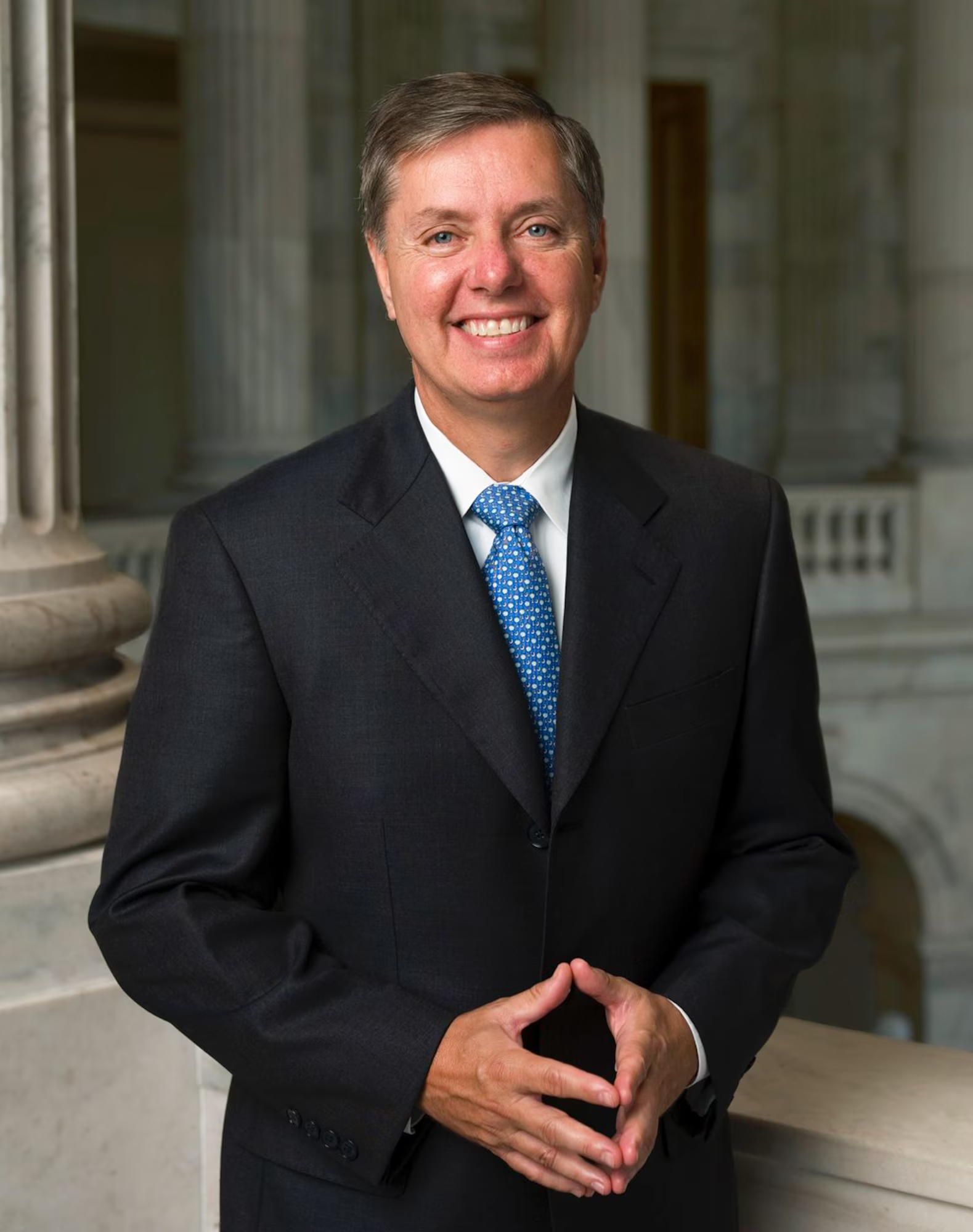

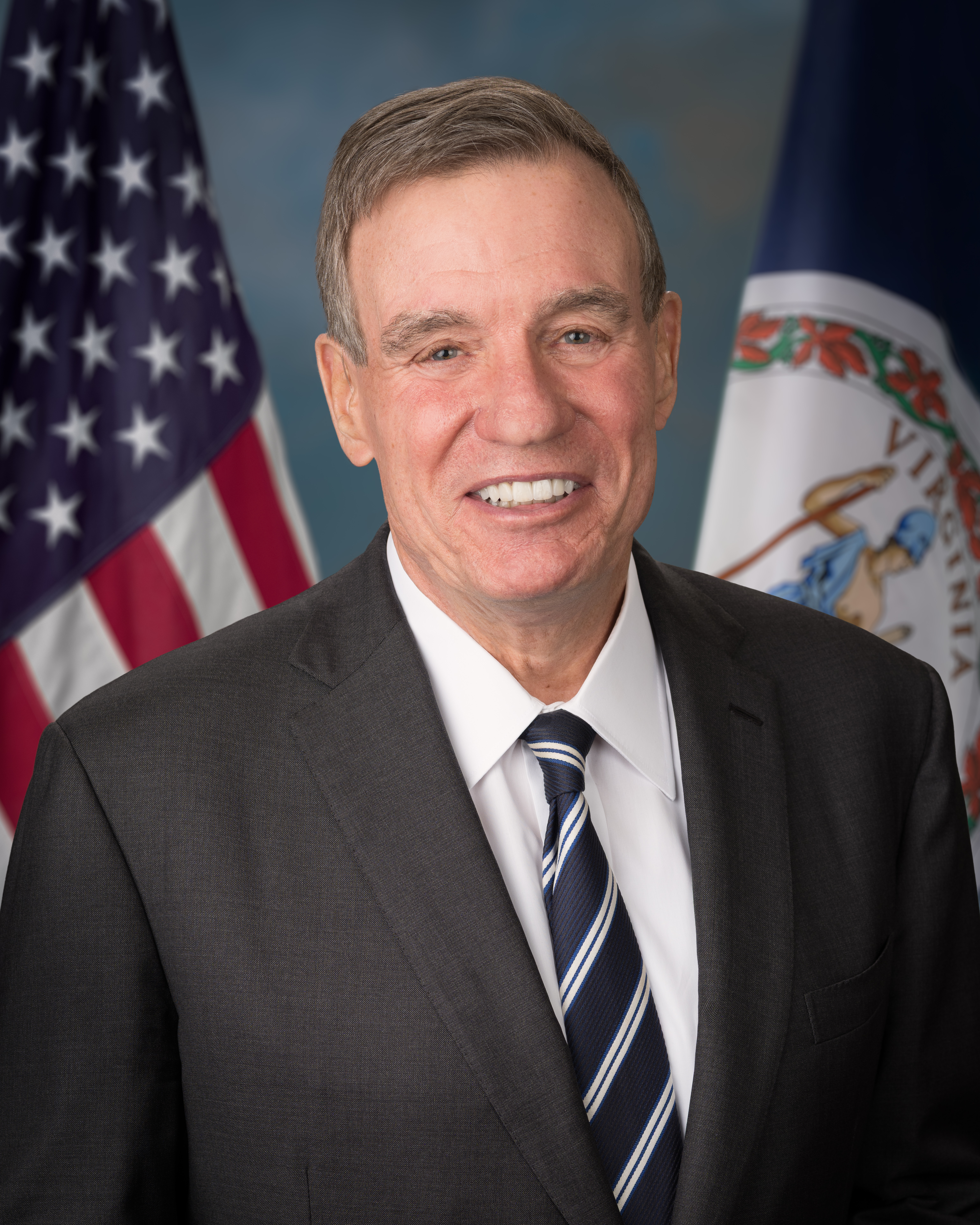
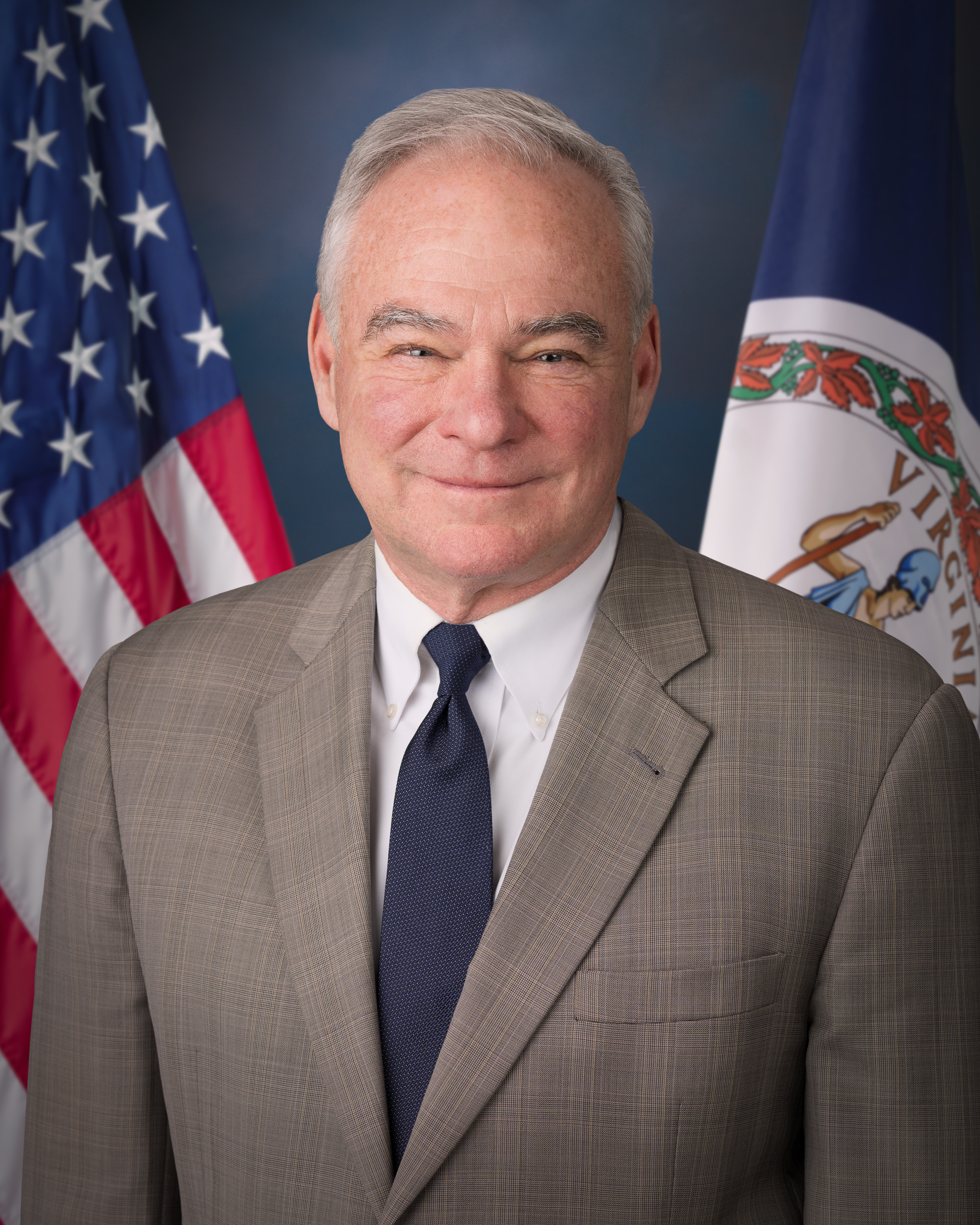
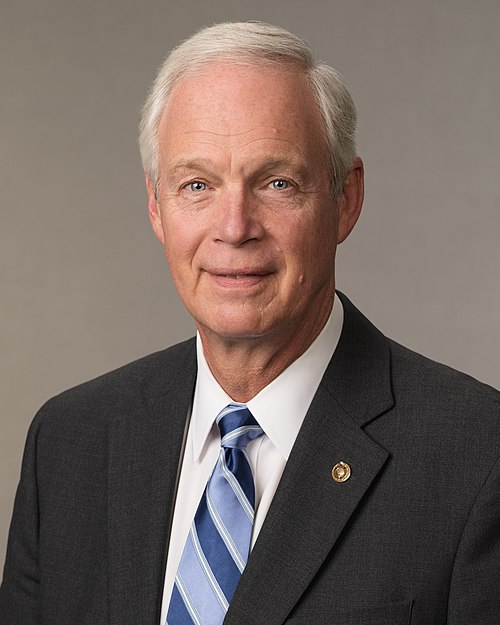
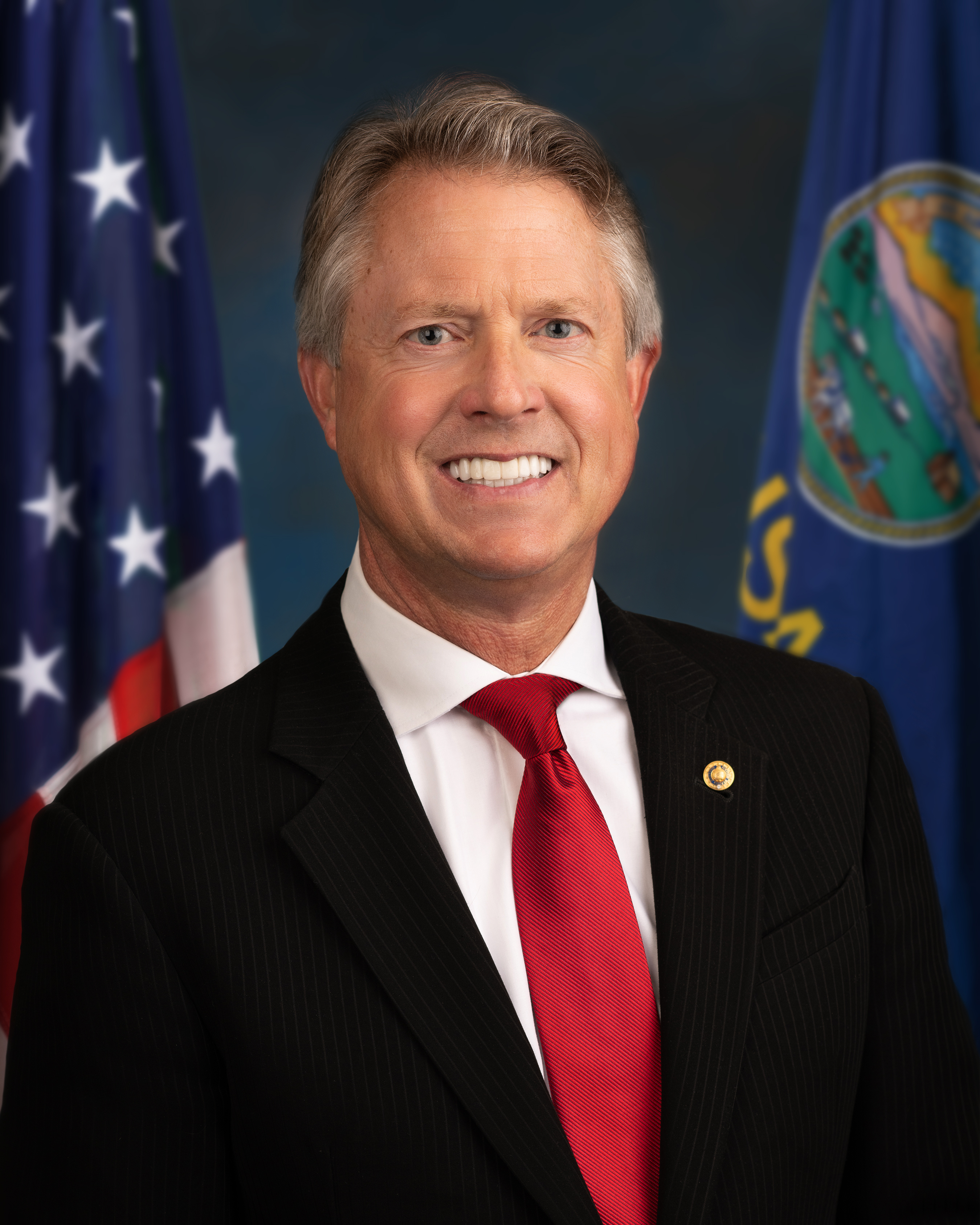
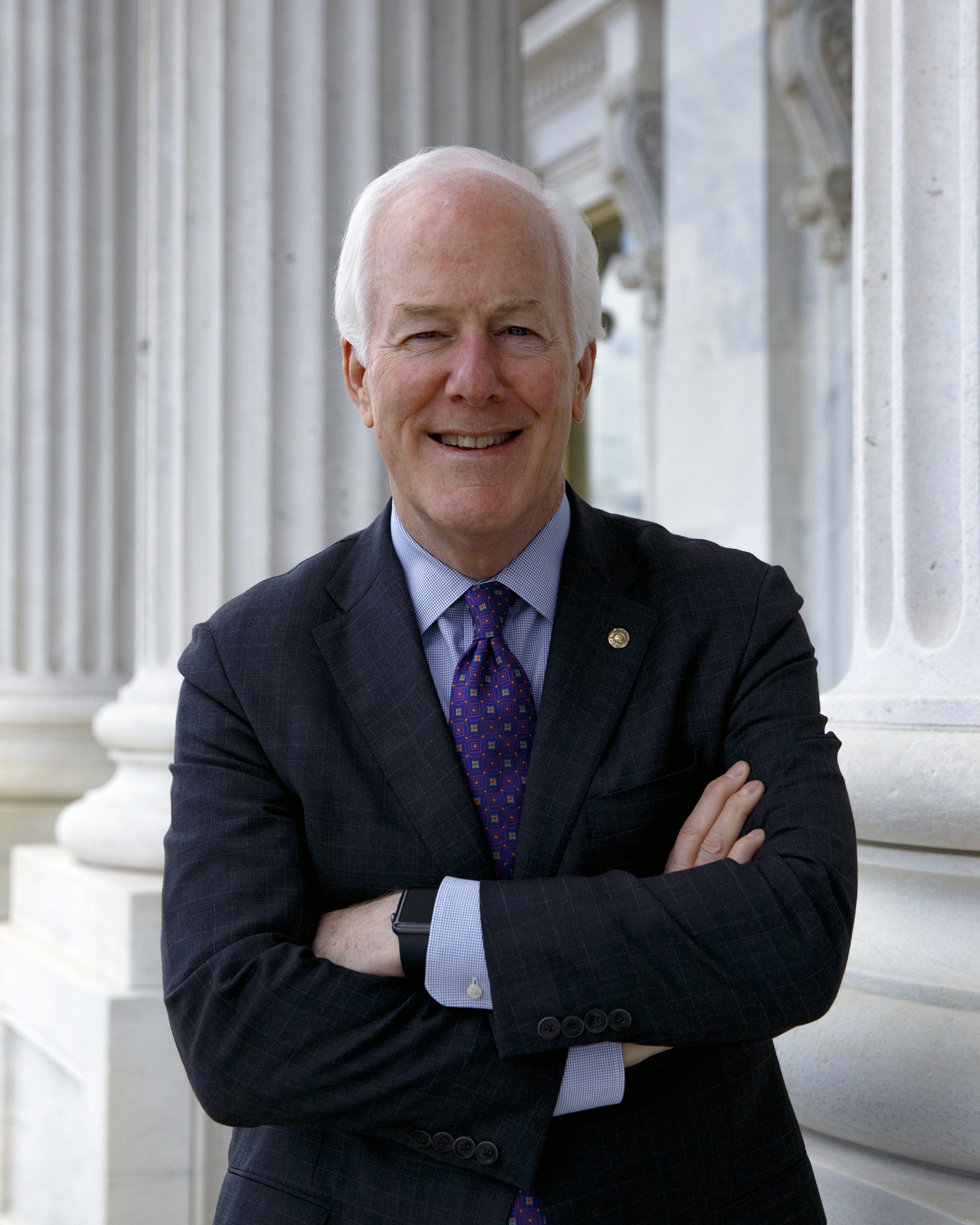
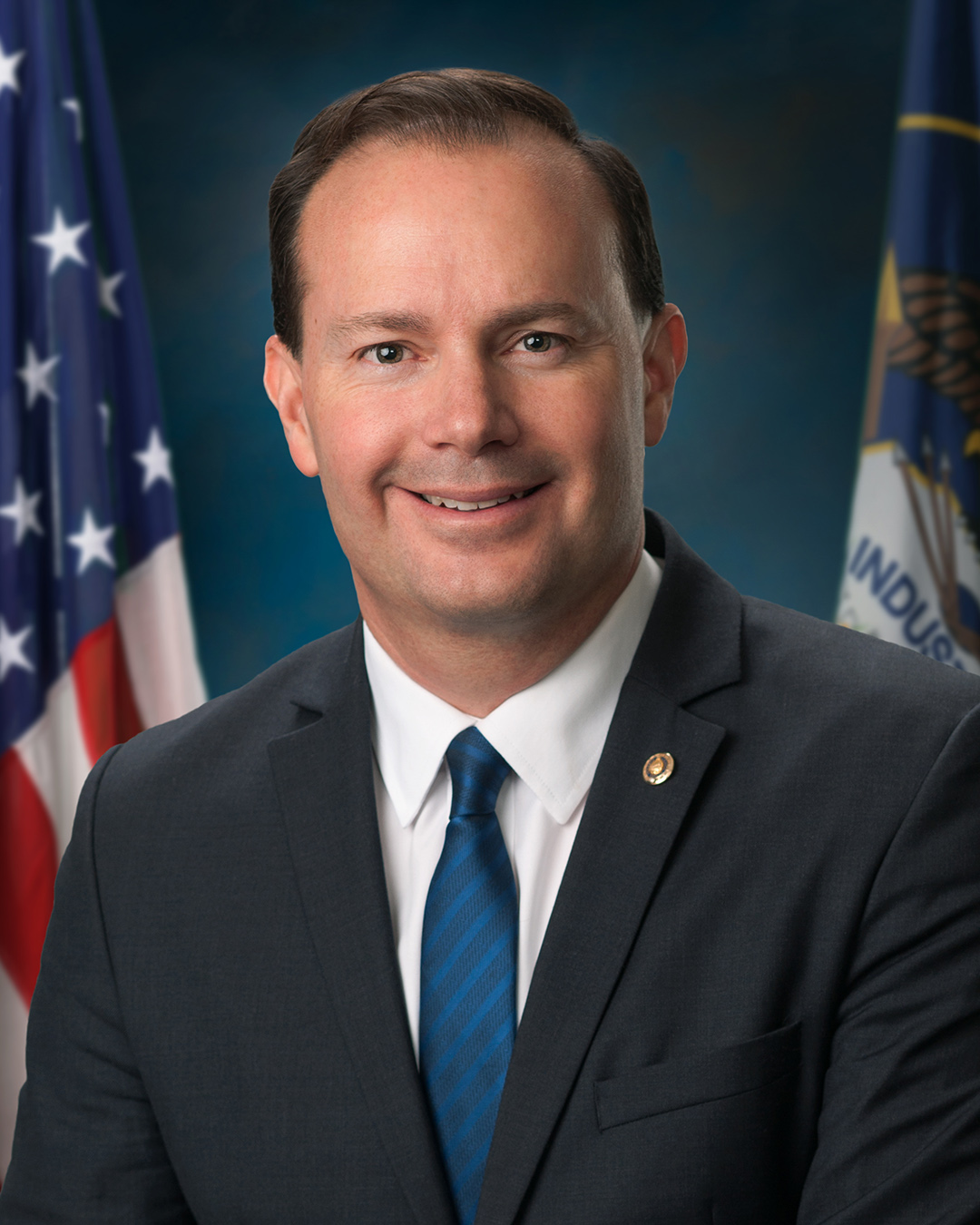
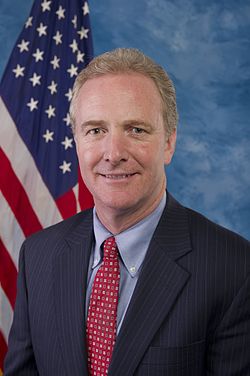
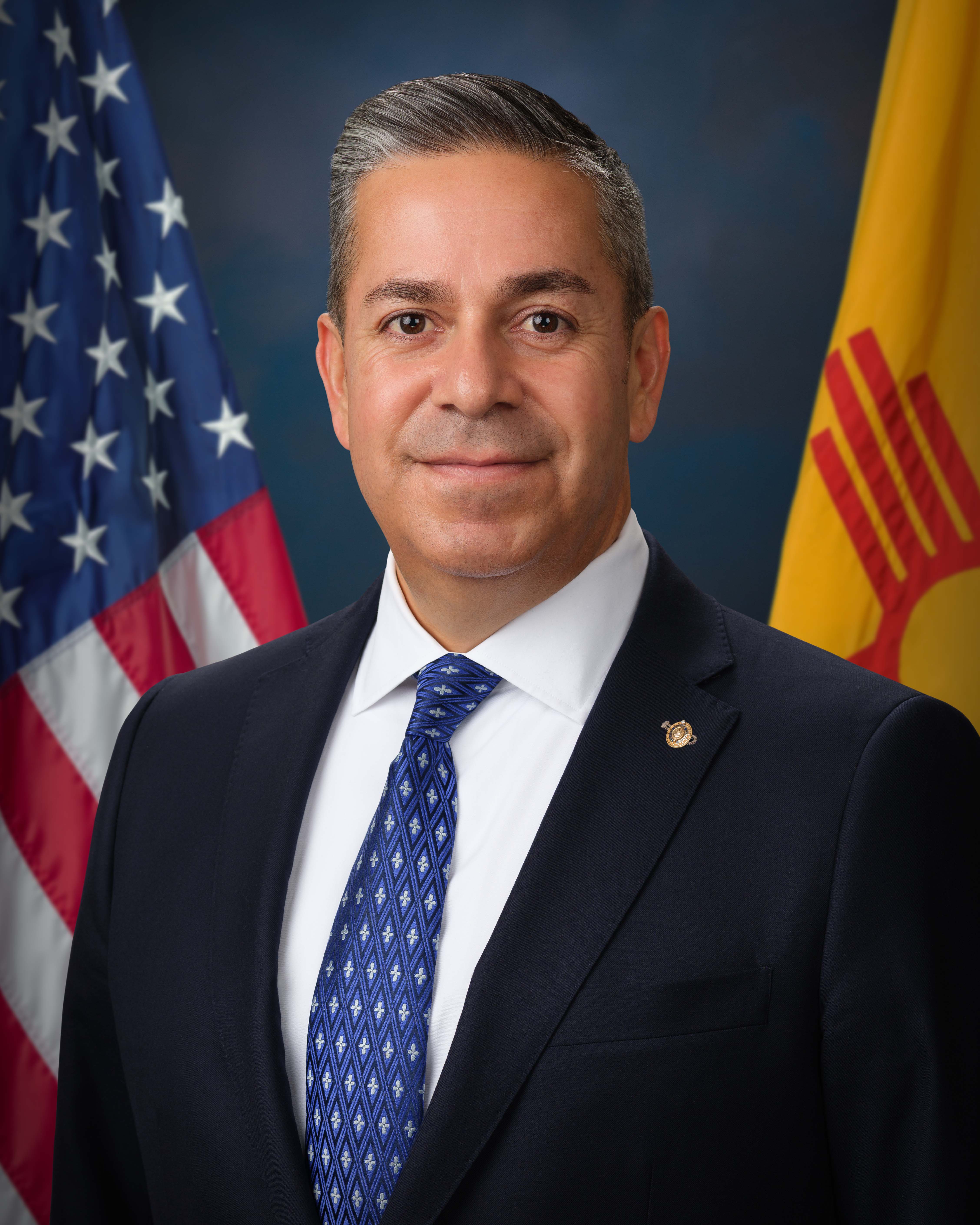
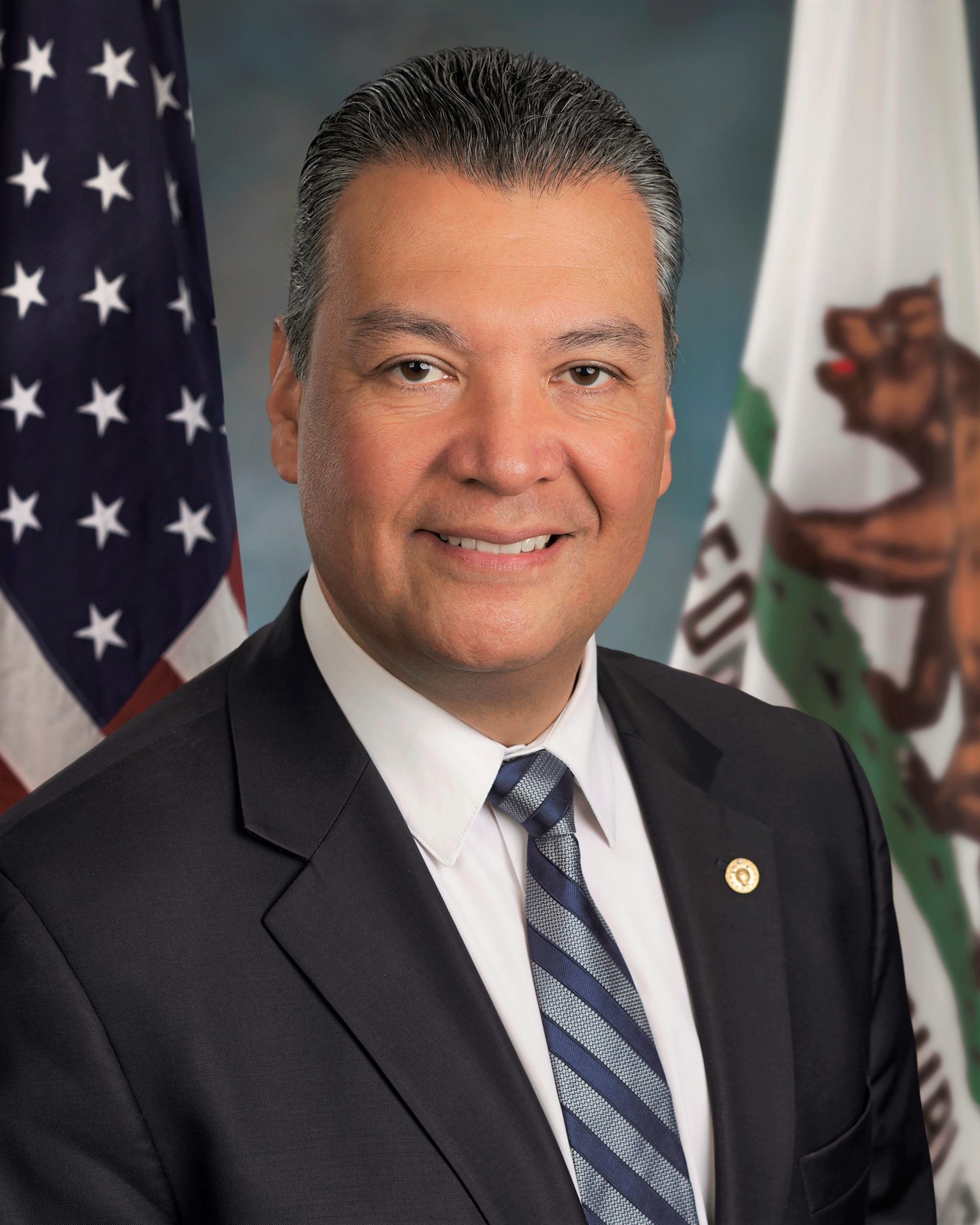
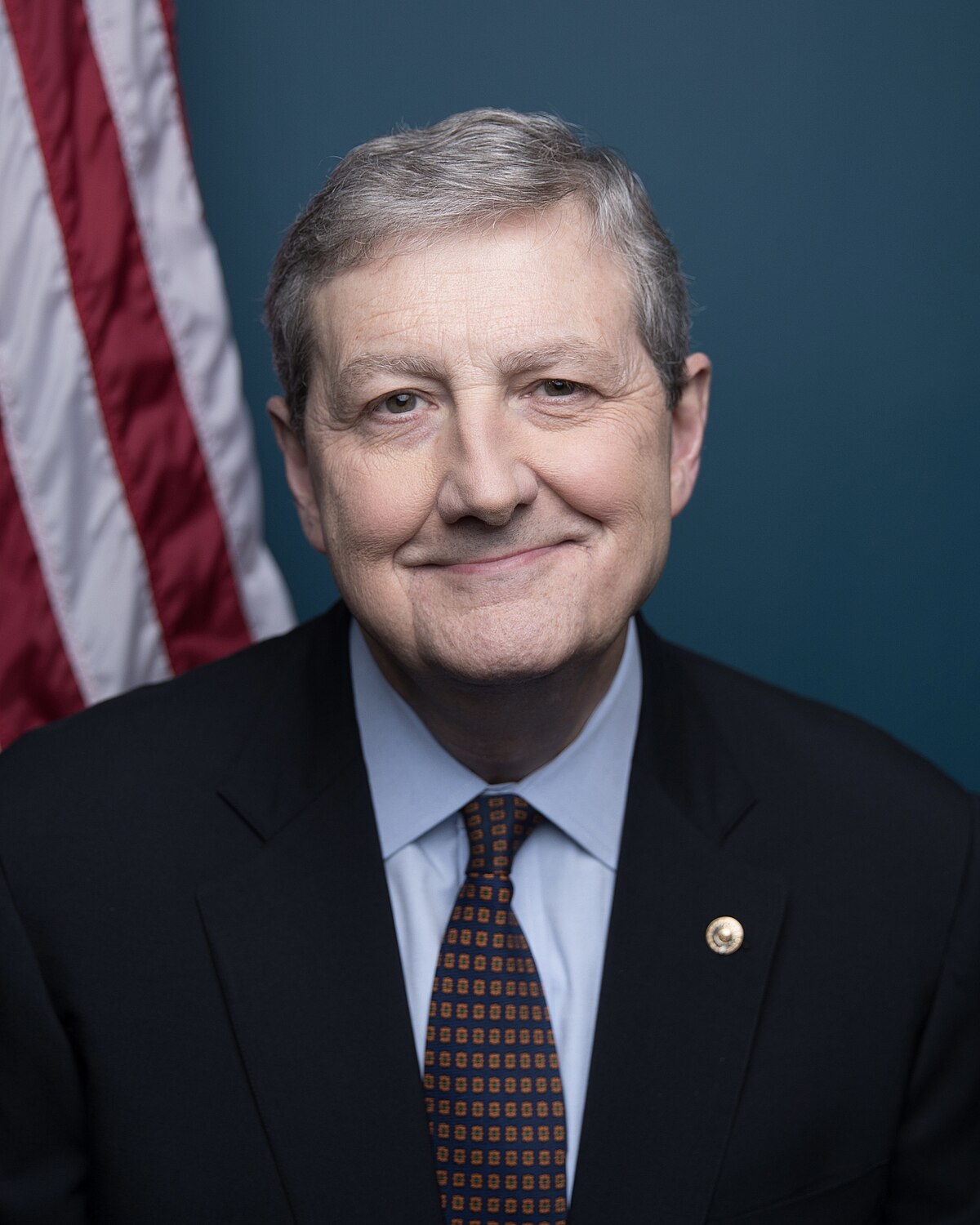
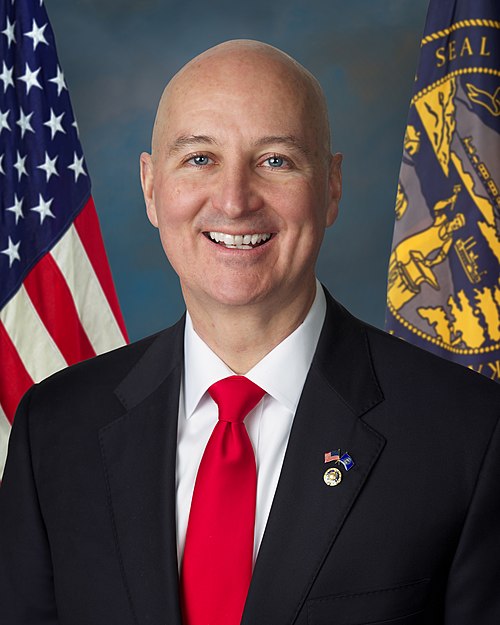
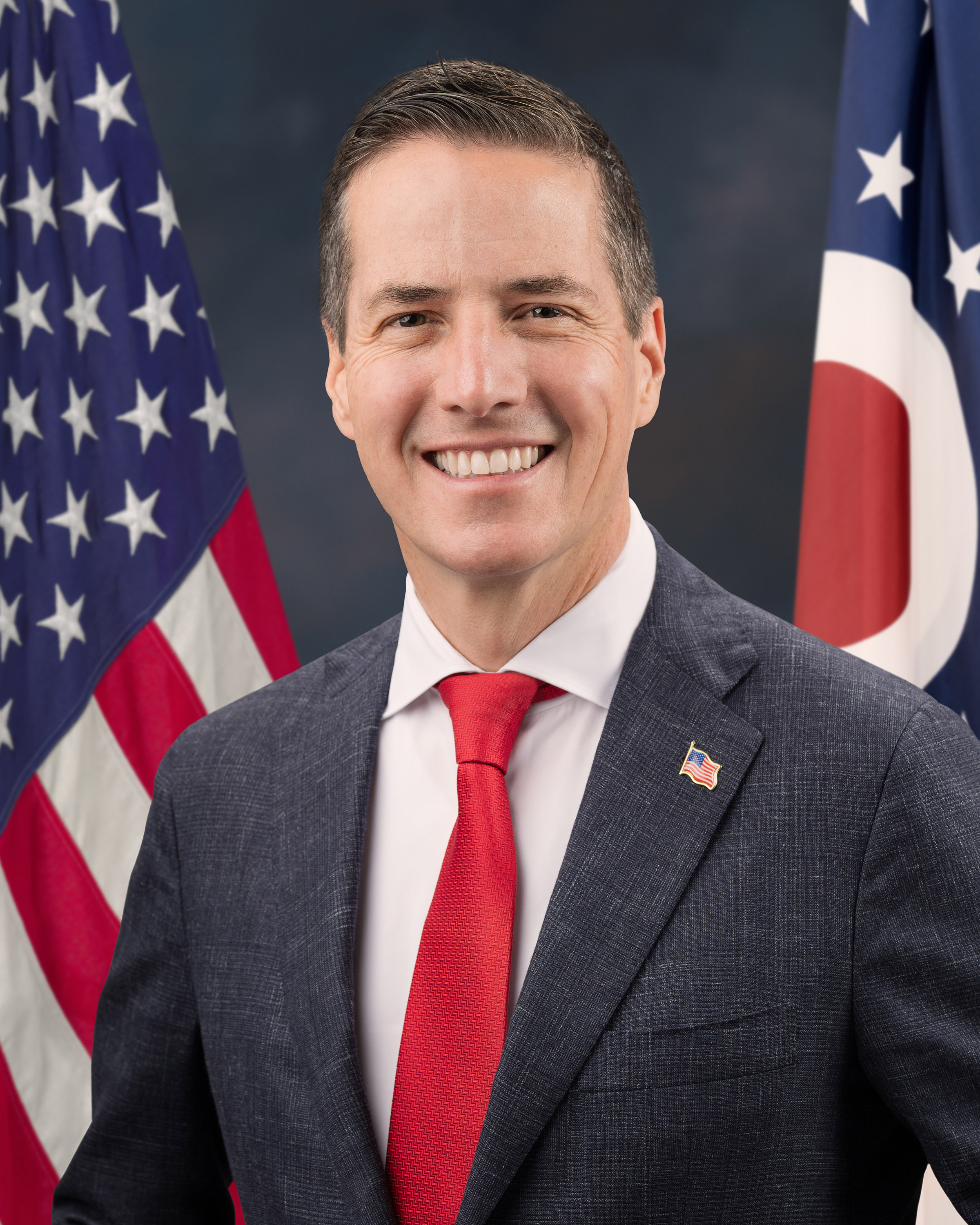
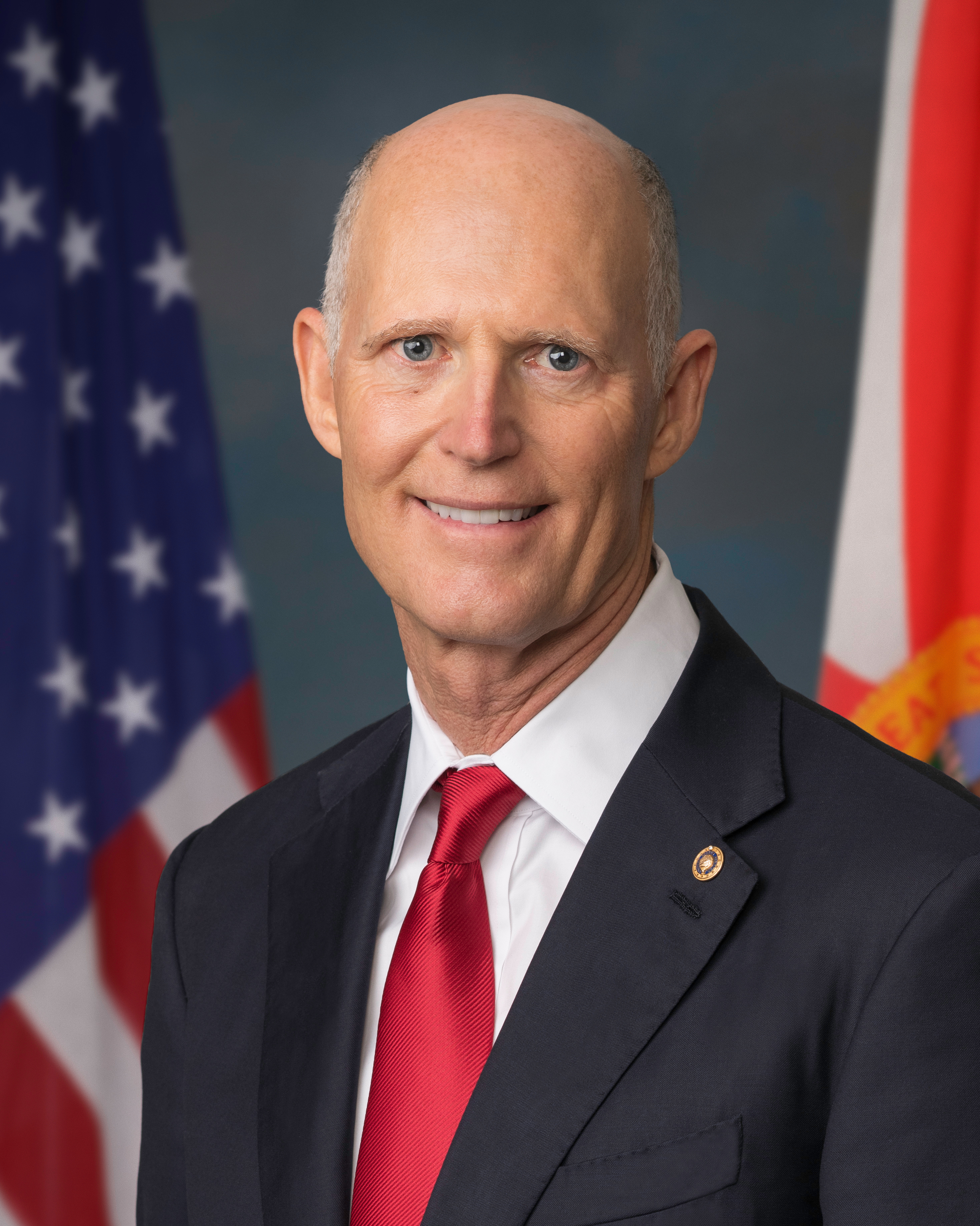
Merkley (Ranking Member) appears at the far left of the outer arc; Graham (Chair) at the far right. Democratic and caucusing members cluster on the left side of the semicircle, Republicans on the right.
Key Budget & Fiscal Legislation
Examples of measures within the committee's jurisdictionConcurrent Resolution on the Budget for Fiscal Year 2026
This concurrent budget resolution sets the federal government’s budget framework for FY2025 and outlines fiscal targets through FY2034. It establishes recommended levels for revenues, spending, deficits, and debt, while including reconciliation instructions requiring key House and Senate committees to propose deficit-impacting legislation by March 7, 2025. The resolution allows expedited consideration of such bills under reconciliation procedures, which limit Senate debate and amendments. It also creates reserve funds to adjust budget limits for compliant legislation and sets enforcement rules for managing committee allocations and administrative expenses for Social Security and the U.S. Postal Service.
Rescissions Act of 2025
This bill cancels $9.4 billion in unobligated funds previously allocated to the Department of State, USAID, and related agencies, as well as the Corporation for Public Broadcasting. Proposed by the President under the Congressional Budget and Impoundment Control Act of 1974, the rescissions target funds for programs such as Global Health, Peacekeeping, Migration and Refugee Assistance, Economic Support, and International Disaster Assistance. Additional cuts affect USAID operations, the Inter-American Foundation, the U.S. African Development Foundation, and the U.S. Institute of Peace, effectively reclaiming unused foreign aid and development funds.