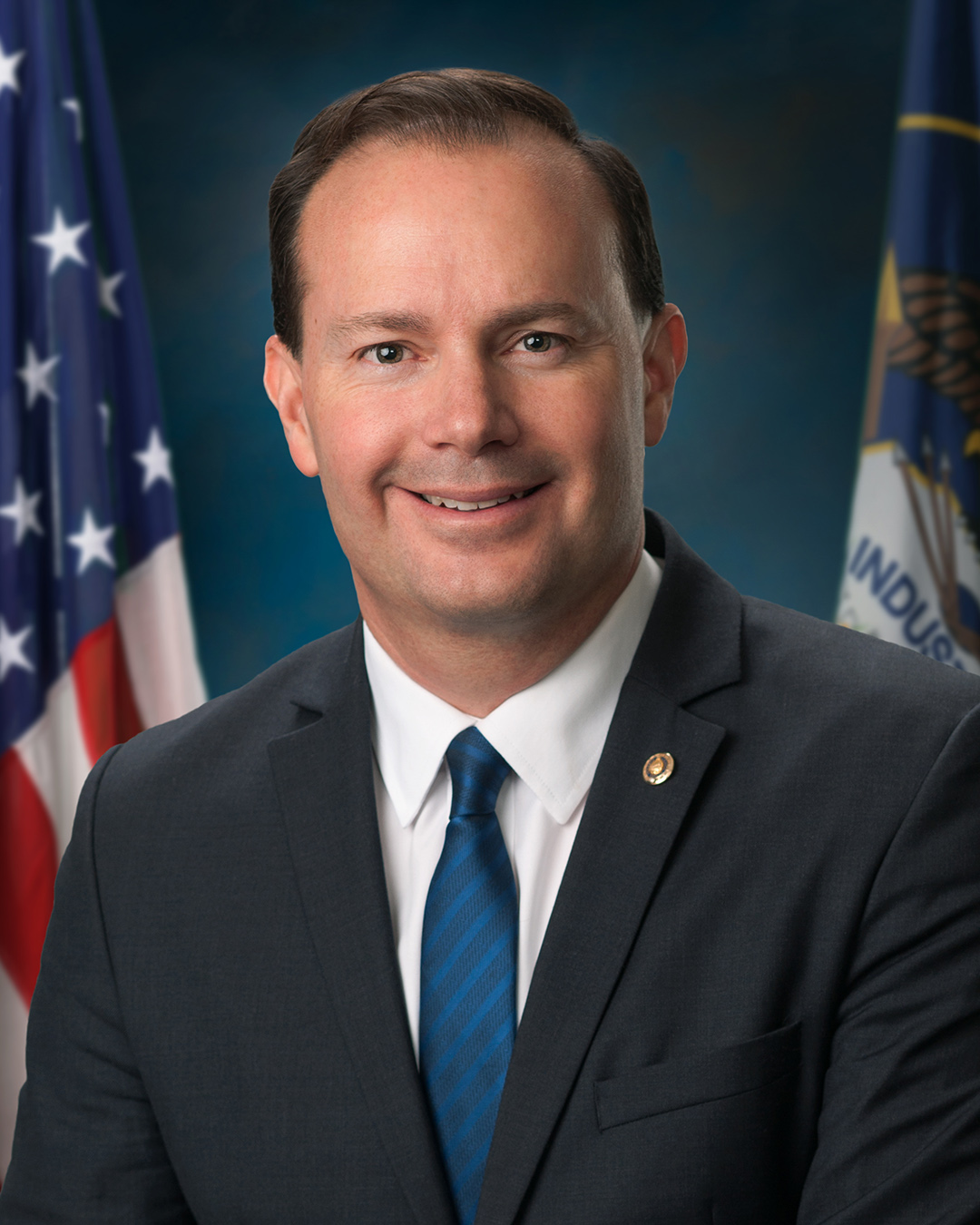
Mike Lee is the senior United States senator from Utah, serving in the Senate since 2011 after winning election in 2010. He built his national profile as a rigid constitutional conservative, arguing that many modern federal programs and regulatory expansions exceed the powers granted to Washington.
Before politics, Lee worked as a lawyer with a resume built around appellate litigation and federal legal institutions. He clerked in Utah federal court and later clerked for Samuel Alito when Alito served on the federal appellate bench, then returned to clerk for him again after Alito joined the Supreme Court. Lee also served as an assistant United States attorney and later as counsel in the Utah governor’s office.
In the Senate, Lee emphasizes spending cuts, deregulation, and structural limits on federal authority. He is closely aligned with conservative outside groups that prioritize fiscal restraint and procedural confrontation, and he frequently frames issues like gun rights, religious liberty, executive power, and surveillance as tests of constitutional boundaries.
Lee’s posture is hardline, but not always leadership compliant. He has at times broken with party leadership on civil liberties, war powers, and surveillance authorities, presenting himself as a separation of powers hawk. His critics argue that his tactics can slide into obstructionism, while supporters say he is one of the Senate’s few members consistently anchored to first principles.
Conservative Populist
Committee Assignments
Caucus Memberships
Achievements
- Built a national profile as a constitutional conservative focused on limiting federal power.
- Consistent advocate for spending restraint, deficit reduction, and deregulation across economic policy fights.
- Advanced criminal justice reform work and argued for sentencing flexibility for nonviolent offenders.
- Pushed civil liberties arguments on surveillance and executive authority, including separation of powers critiques.
- Became Utah’s senior senator and a leading voice in the state’s federal delegation.
Controversies
- Scrutiny over participation in post 2020 election strategies and messaging that opponents describe as destabilizing.
- Backlash for hardline rhetoric on democracy and election reform proposals framed as federal overreach.
- Criticism for blocking or opposing certain federal aid and relief measures using procedural tactics.
- Repeated conflict with bipartisan climate and environmental policy efforts, paired with skepticism toward climate consensus claims earlier in his tenure.
- Frequent social media controversies tied to amplification of unverified claims and incendiary political framing.
Top Donors
| Donor | Total | Individuals | PACs |
|---|---|---|---|
| Club for Growth | $193,345 | $188,345 | $5,000 |
| Senate Conservatives Fund | $172,612 | $157,612 | $15,000 |
| National Republican Senatorial Cmte | $51,200 | $0 | $51,200 |
| Microsoft Corp | $48,070 | $39,070 | $9,000 |
| Blackstone Group | $43,000 | $43,000 | $0 |
Amounts shown reflect organization linked giving; most funds listed here are from individual donors or aligned PACs.
Recent Elections

2016 Margin R +40%

2022 Margin R +11%