What the Committee Does
The Veterans' Affairs Committee writes and oversees laws that govern VA health care, disability compensation, pension programs, and GI Bill education benefits. It investigates problems at VA hospitals and benefits offices, from wait times and staffing to IT failures and claims backlogs. The committee also reviews how VA supports women veterans, rural veterans, and those facing homelessness or mental health crises.
Members hold hearings with VA leaders, veterans-service organizations, outside experts, and veterans themselves to track whether reforms are actually working. They press for better outreach to marginalized groups, more seamless transitions from Defense Department care, and stronger accountability for mismanagement or abuse. Through bipartisan work, the committee tries to adapt VA systems to the needs of a new generation of veterans while protecting the earned benefits of older ones.
Committee Membership
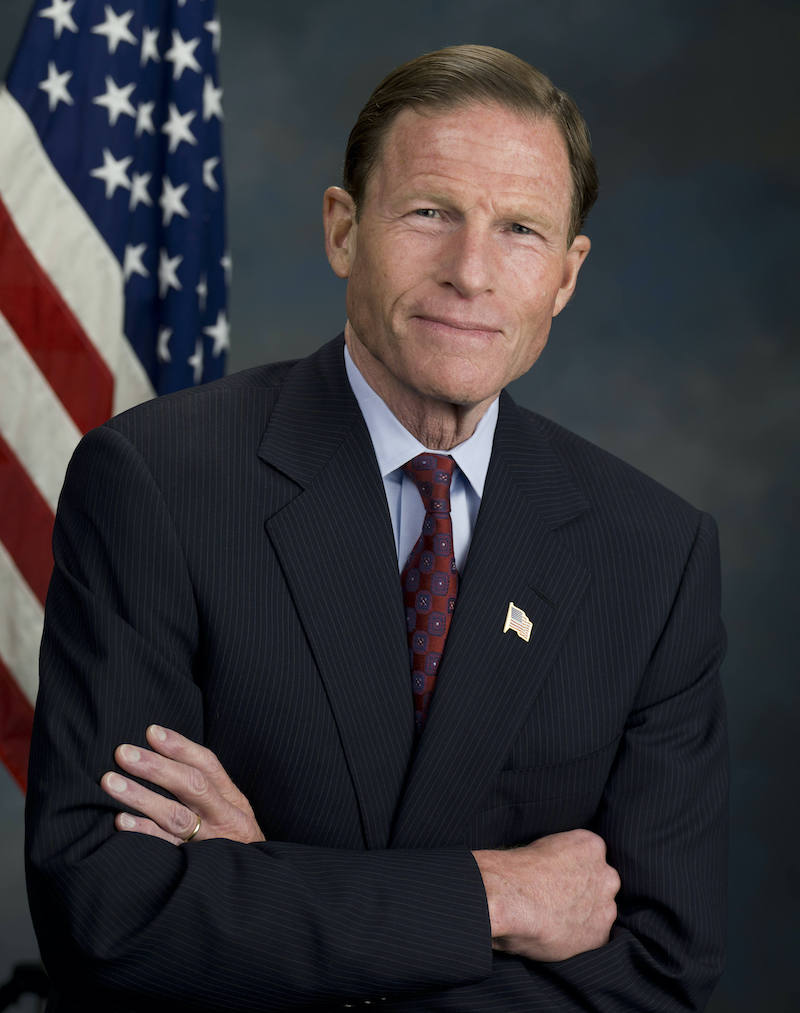
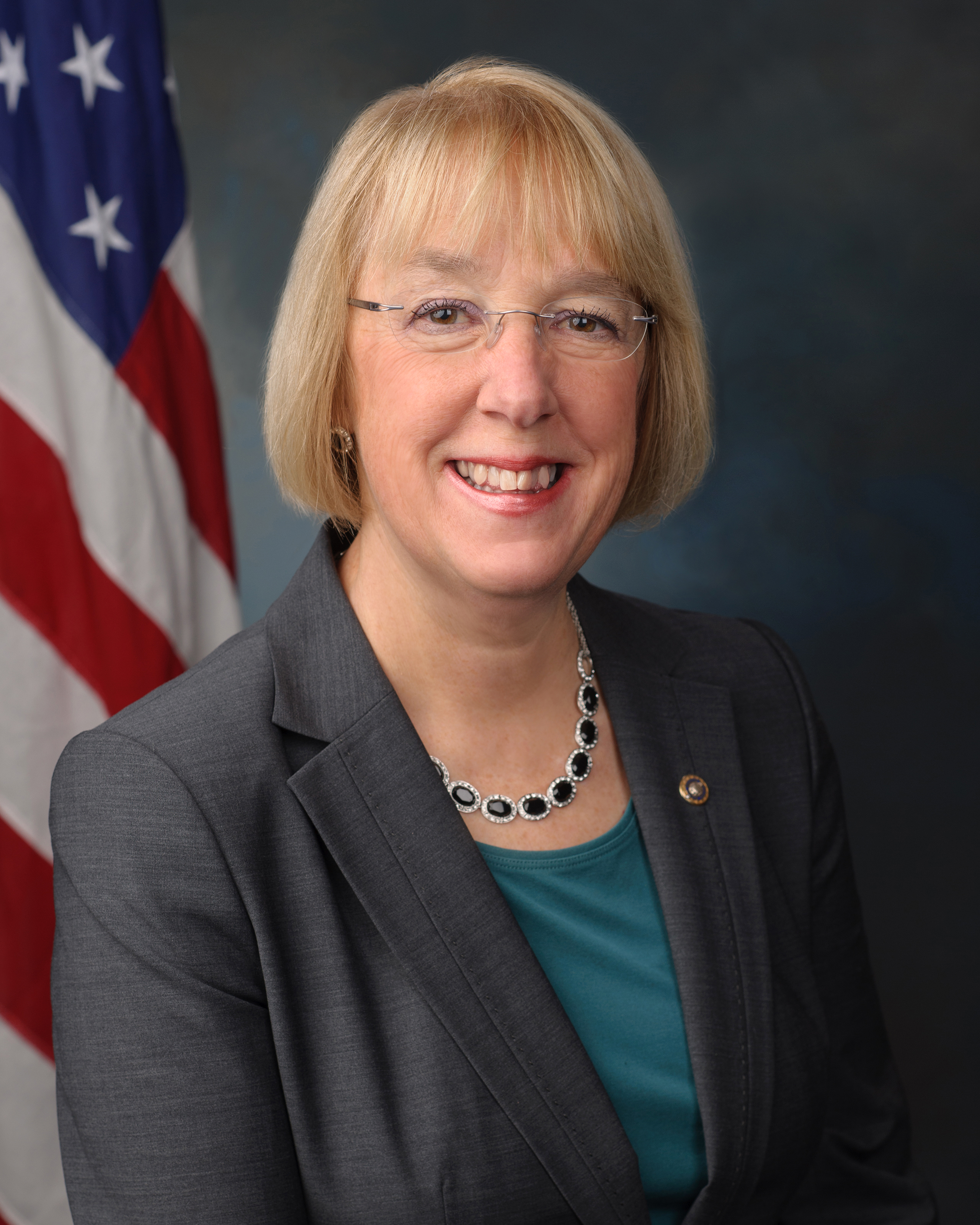
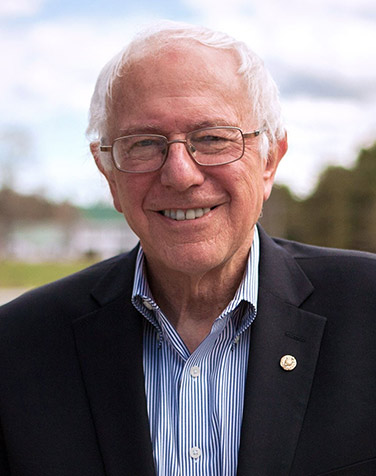
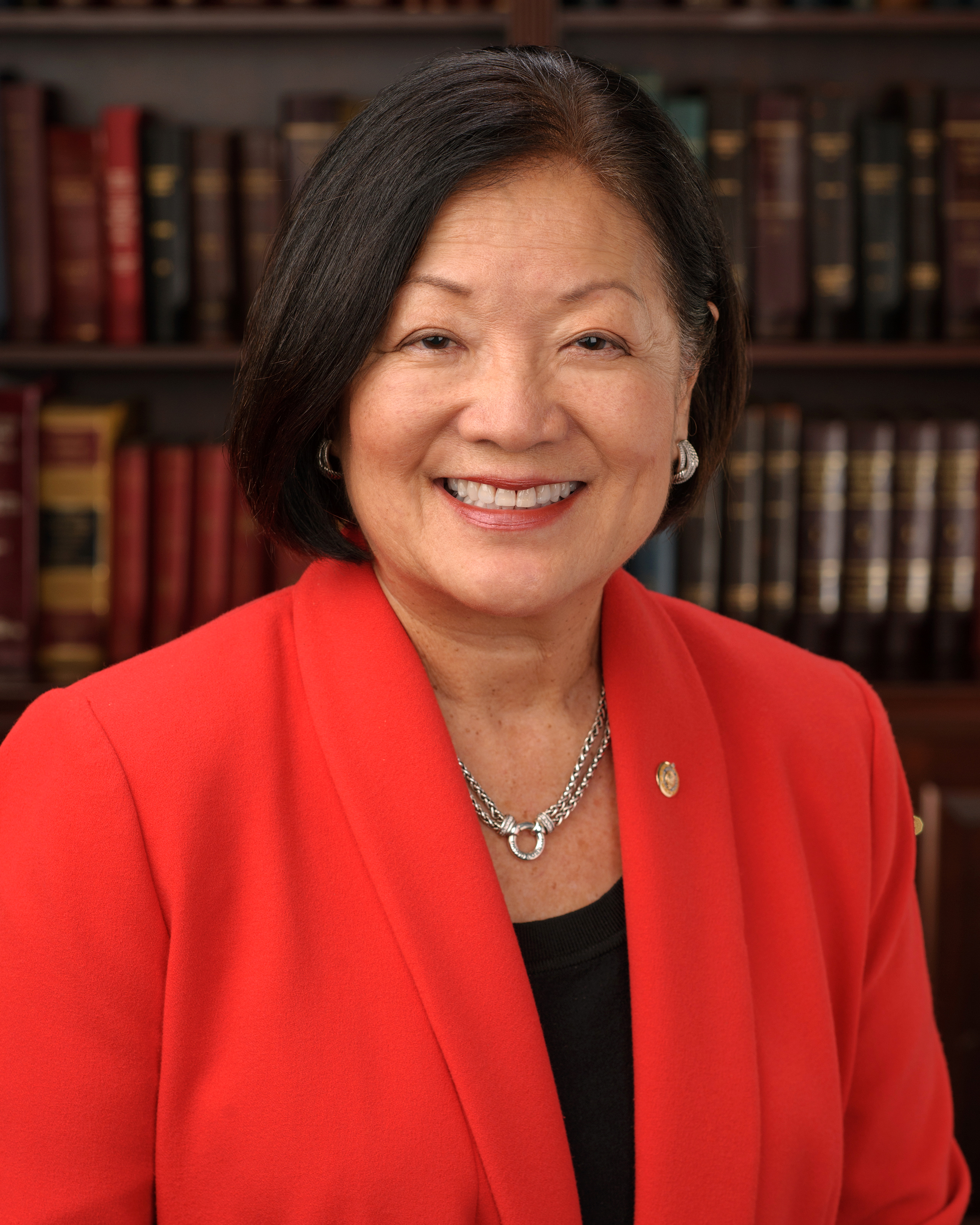
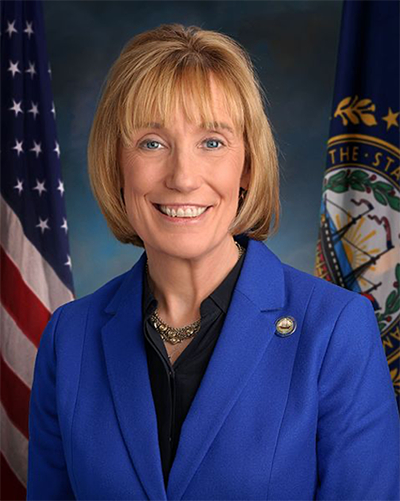
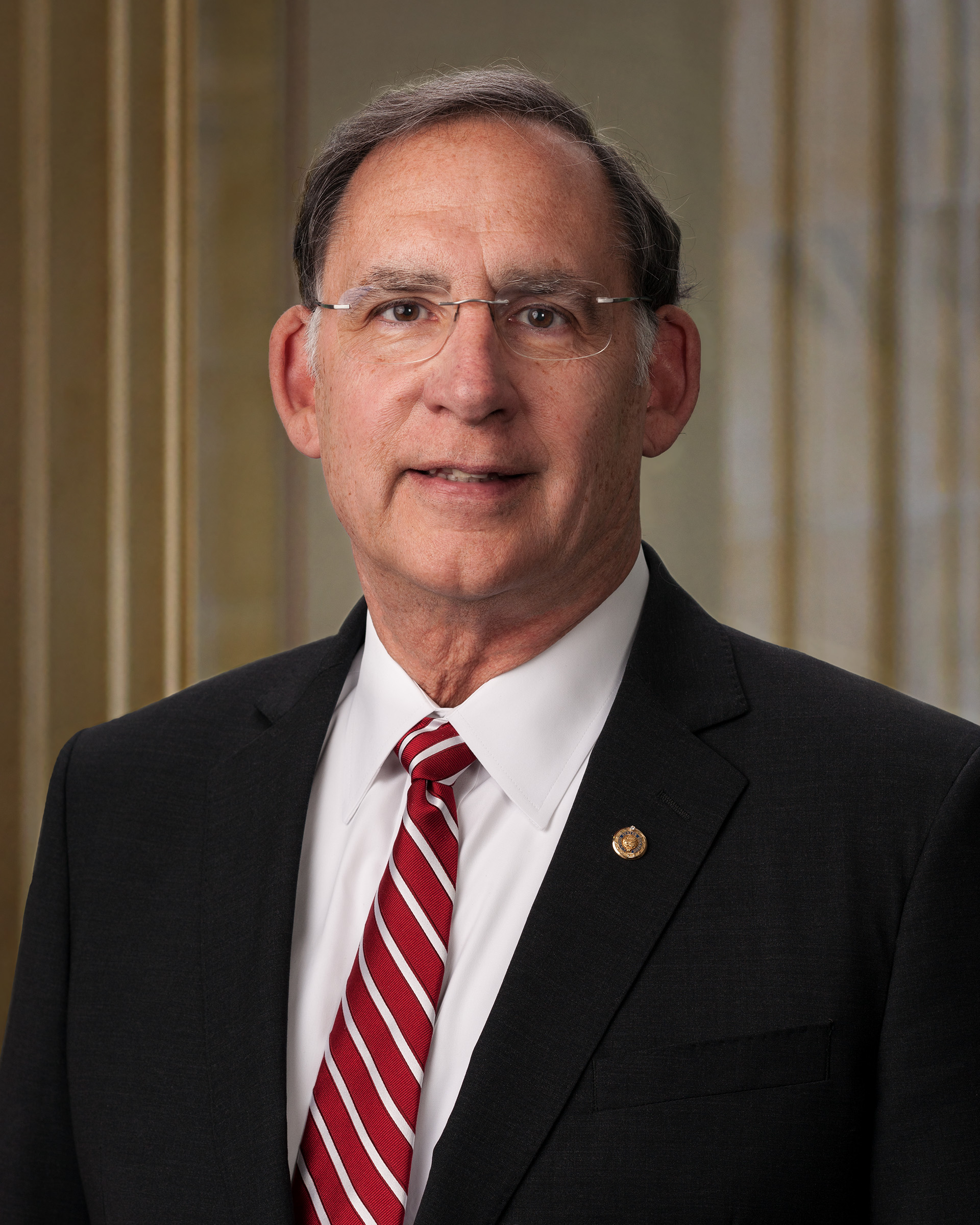
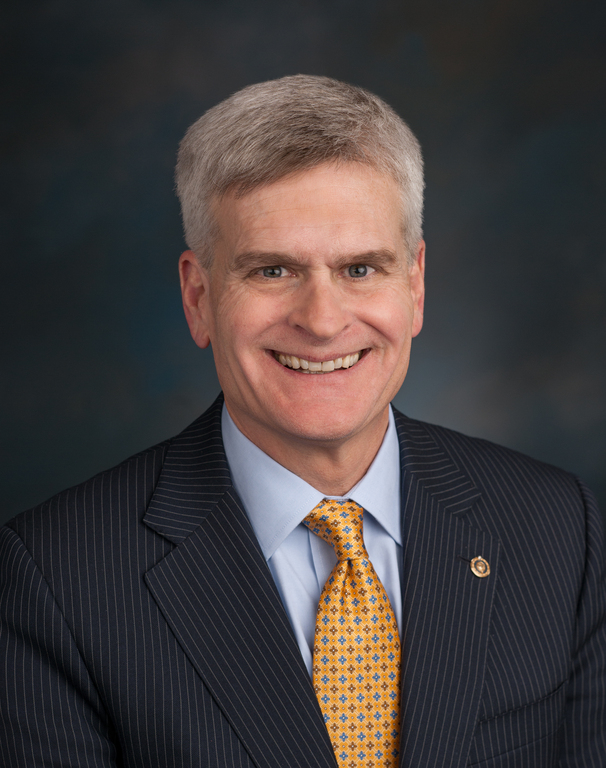
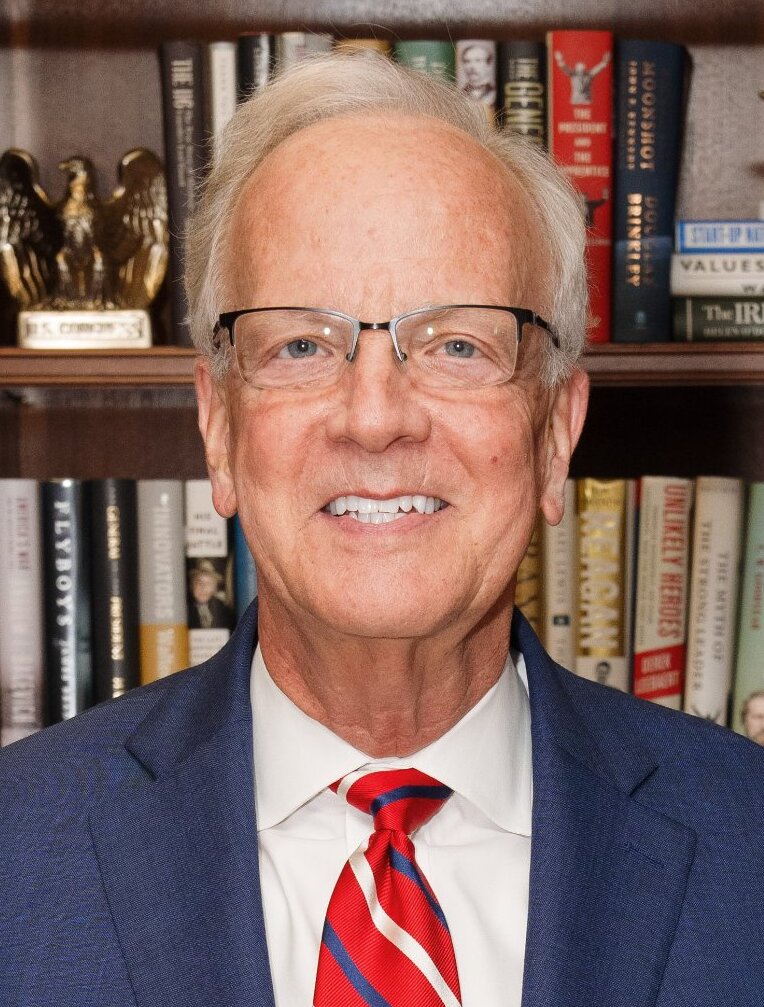
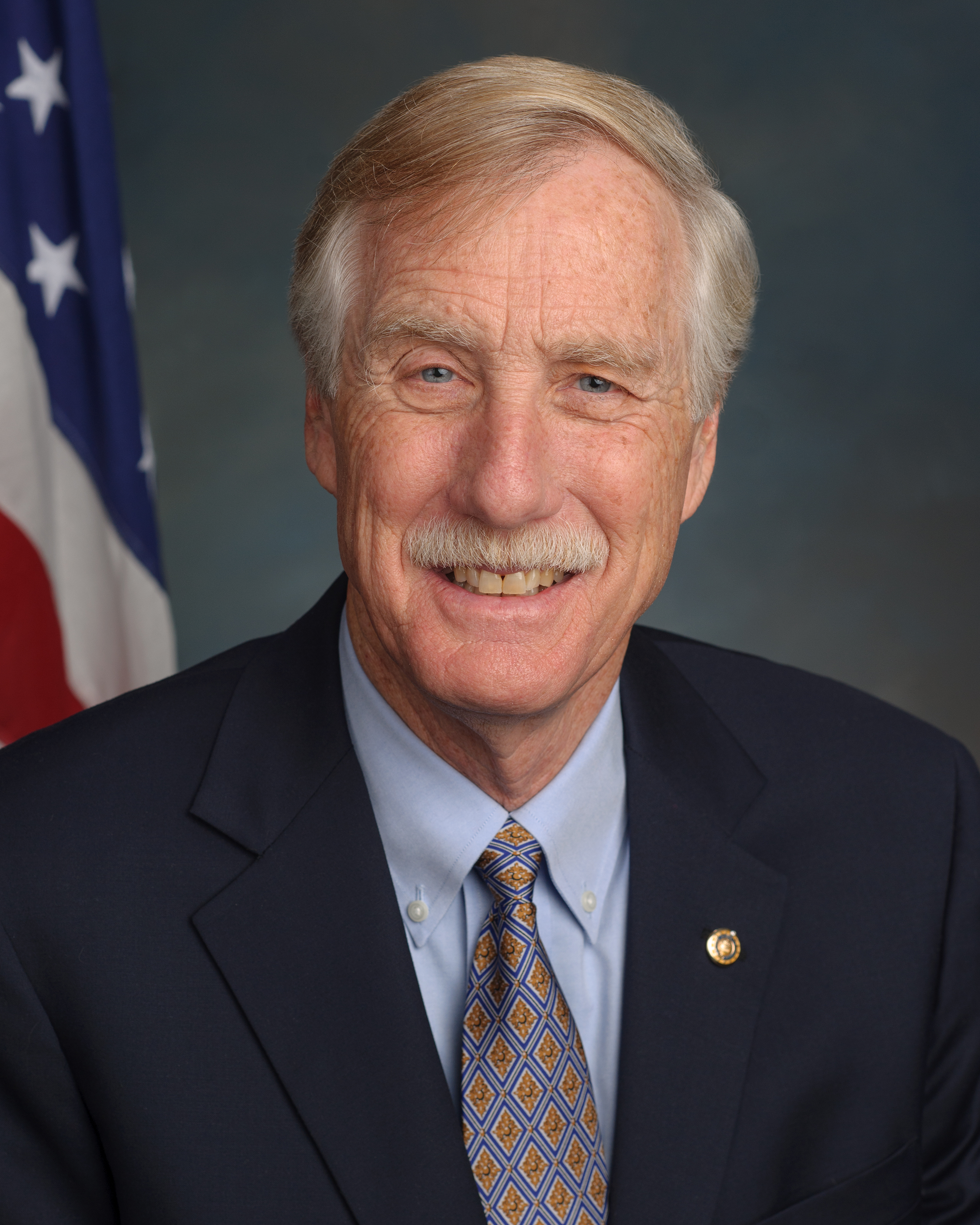
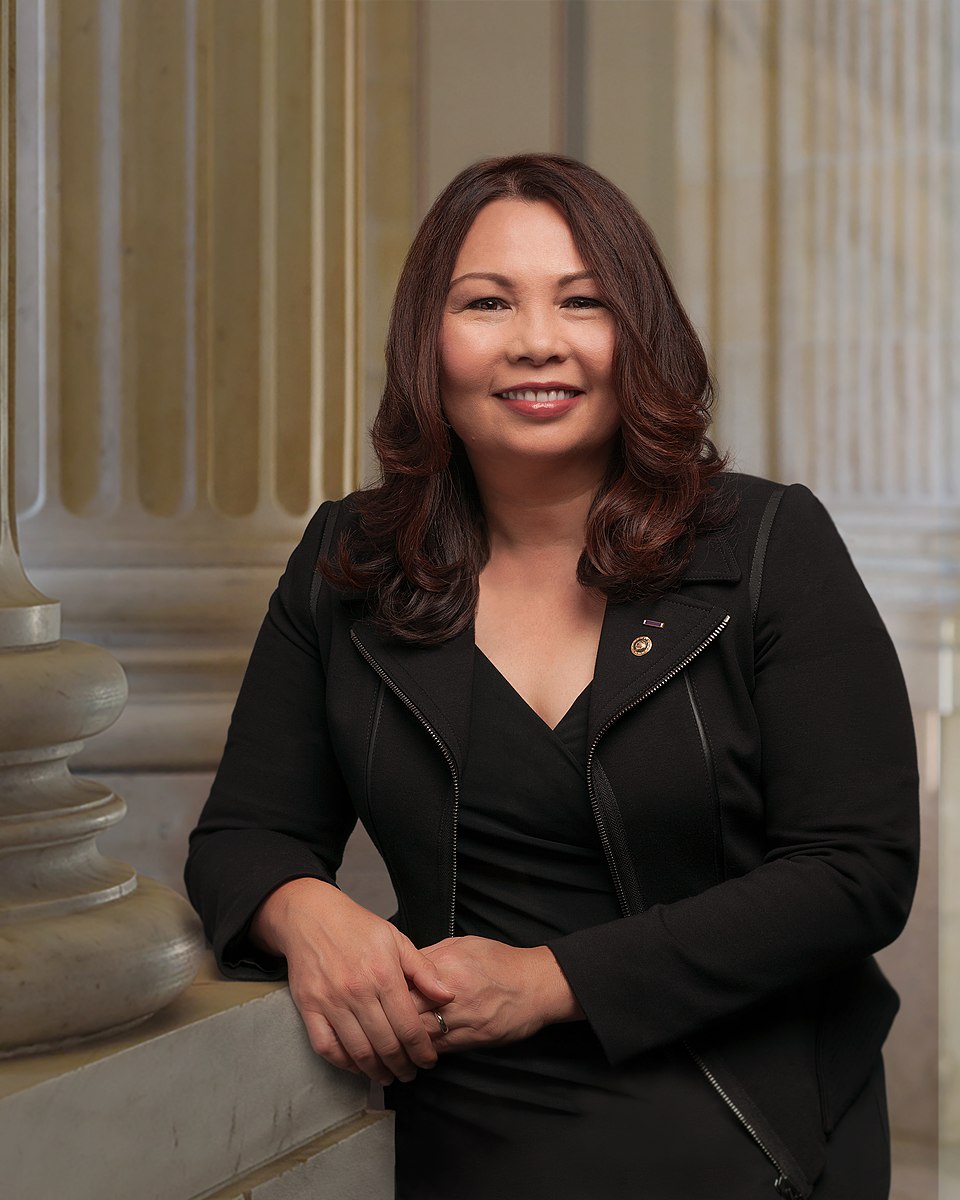
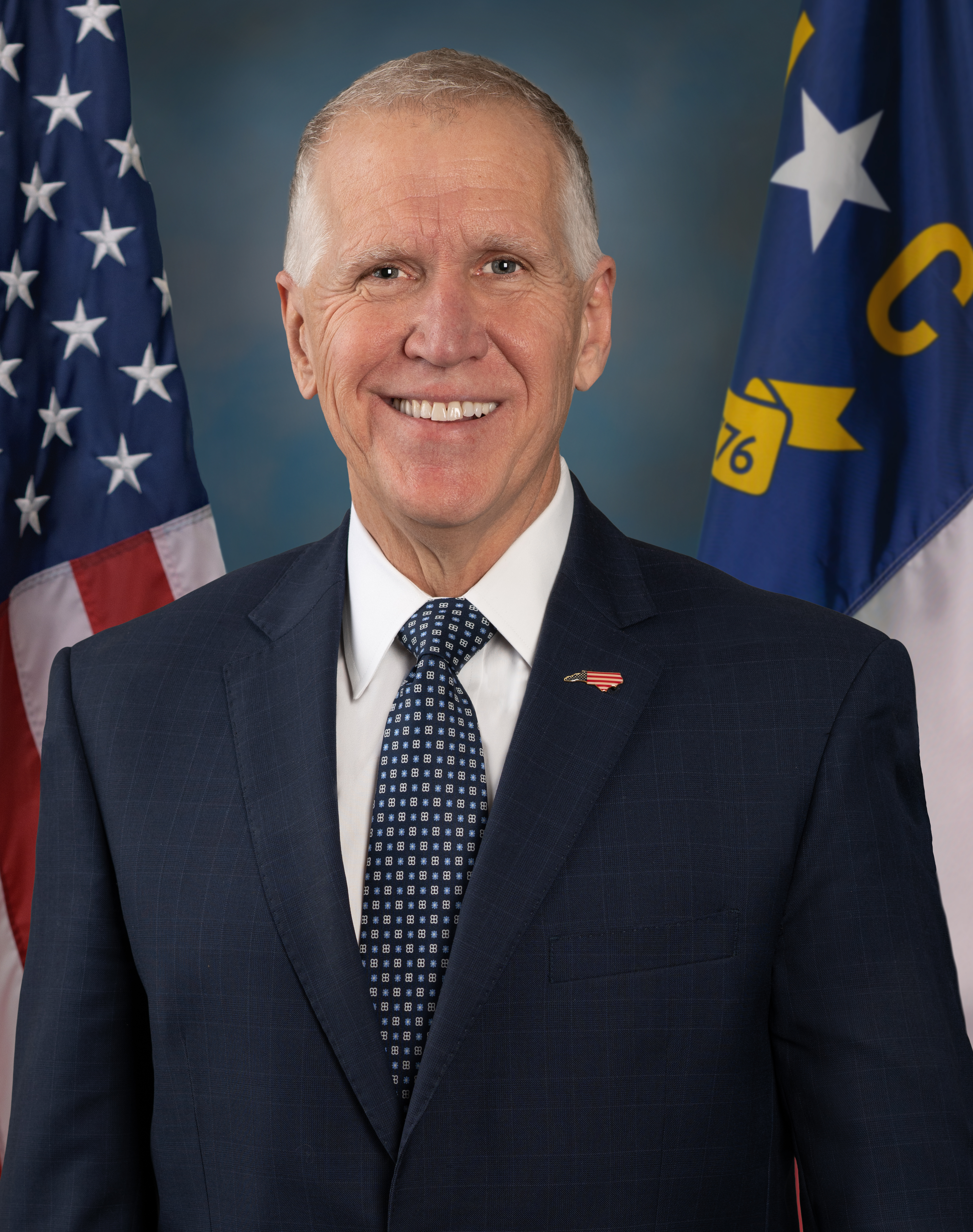
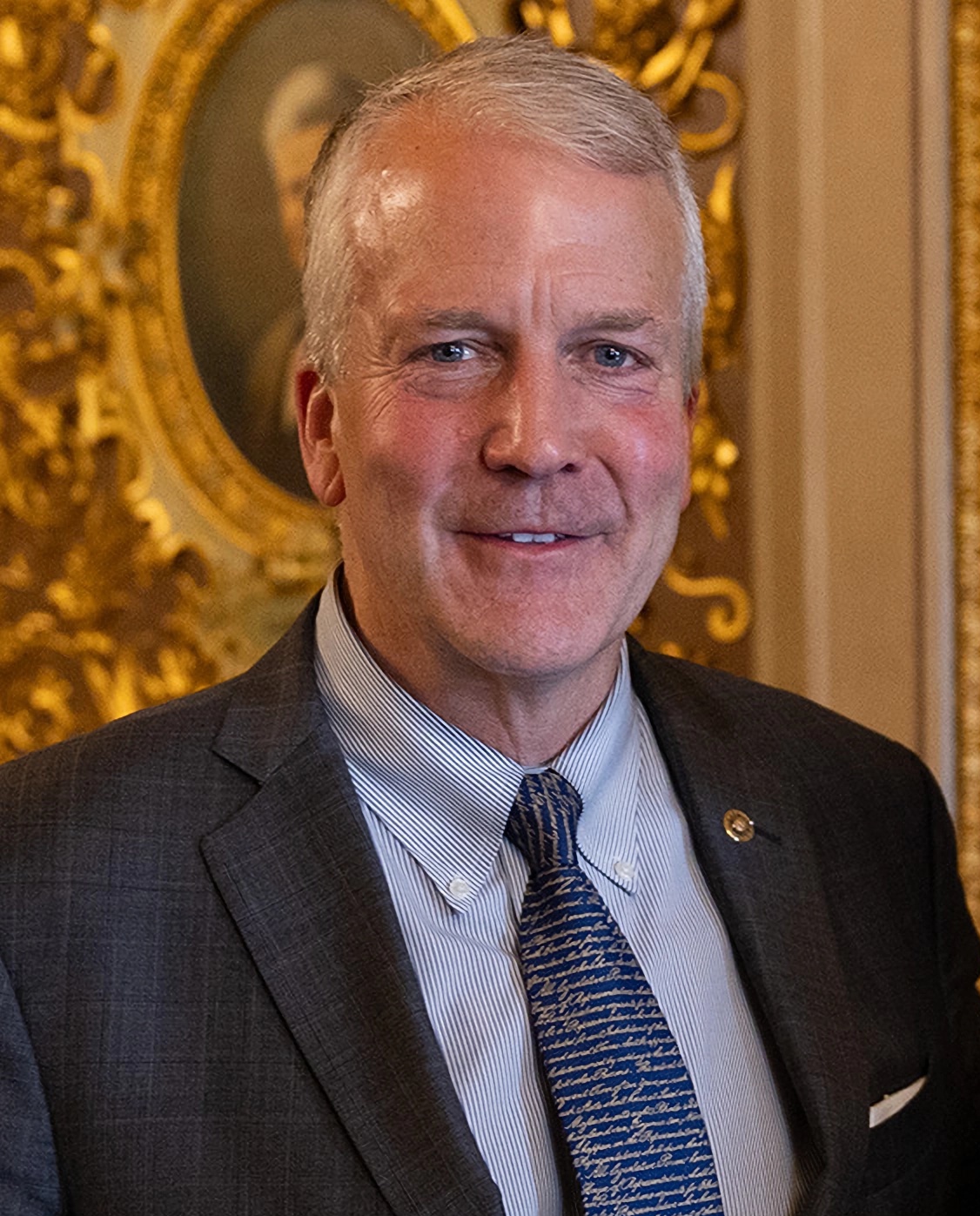

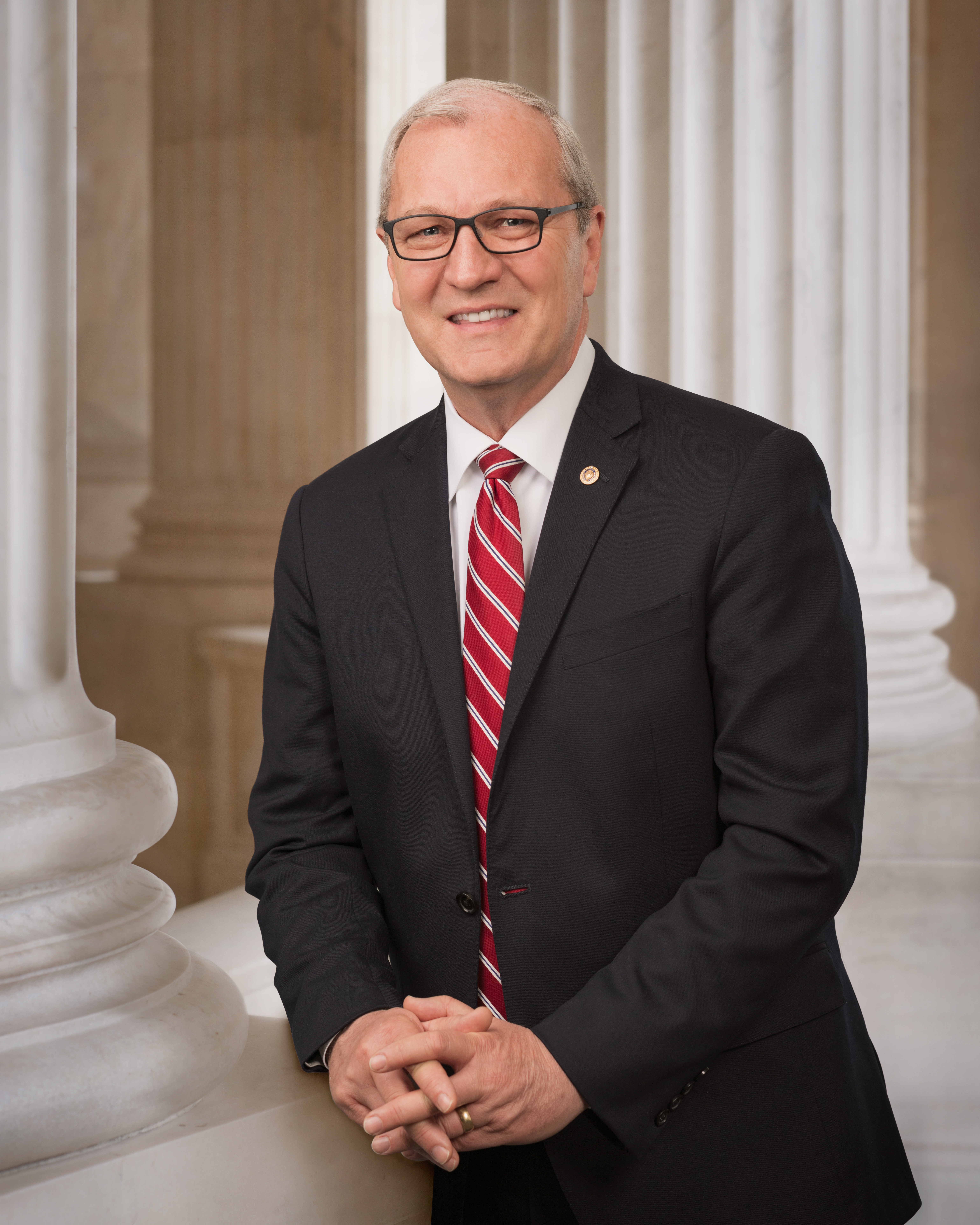
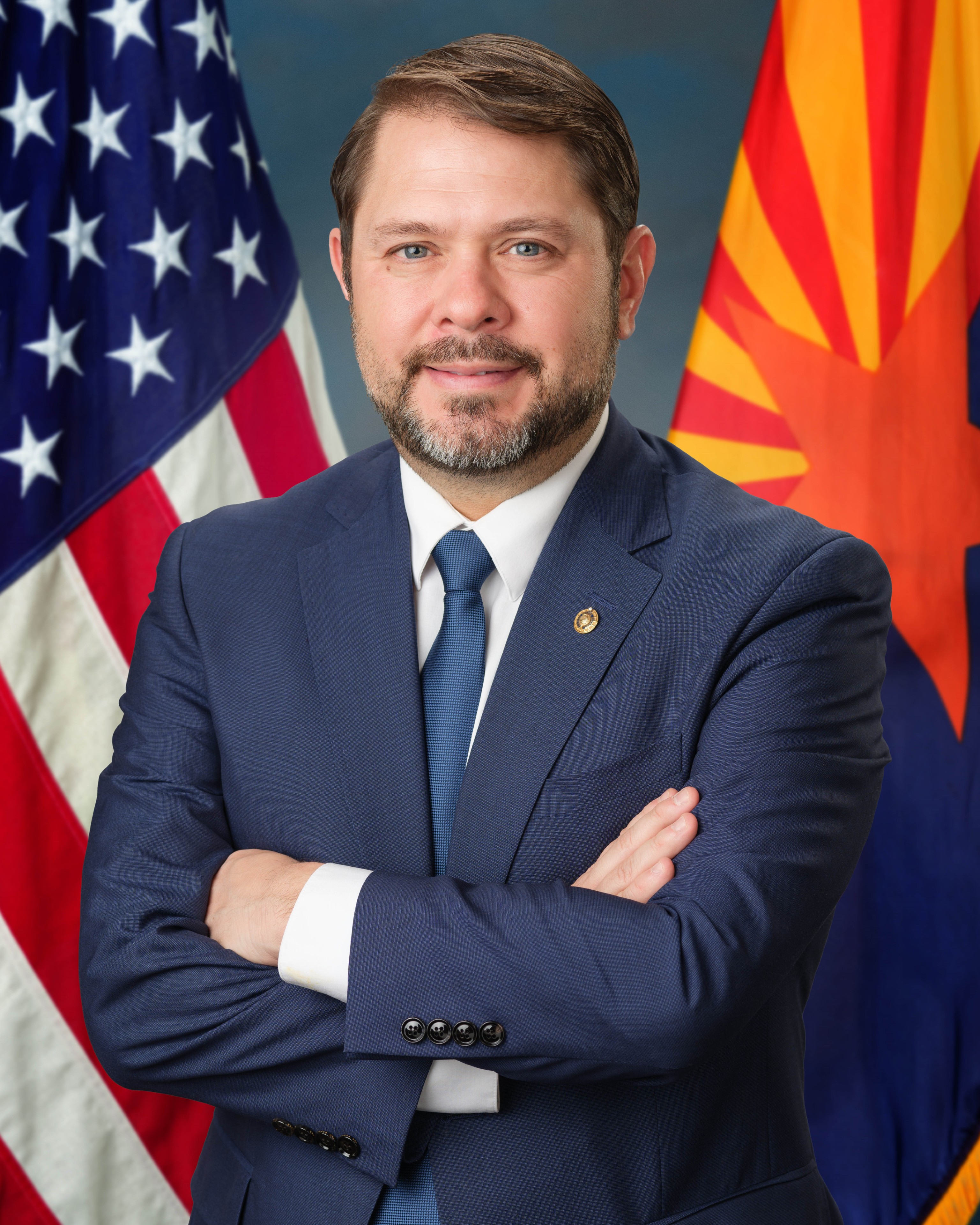
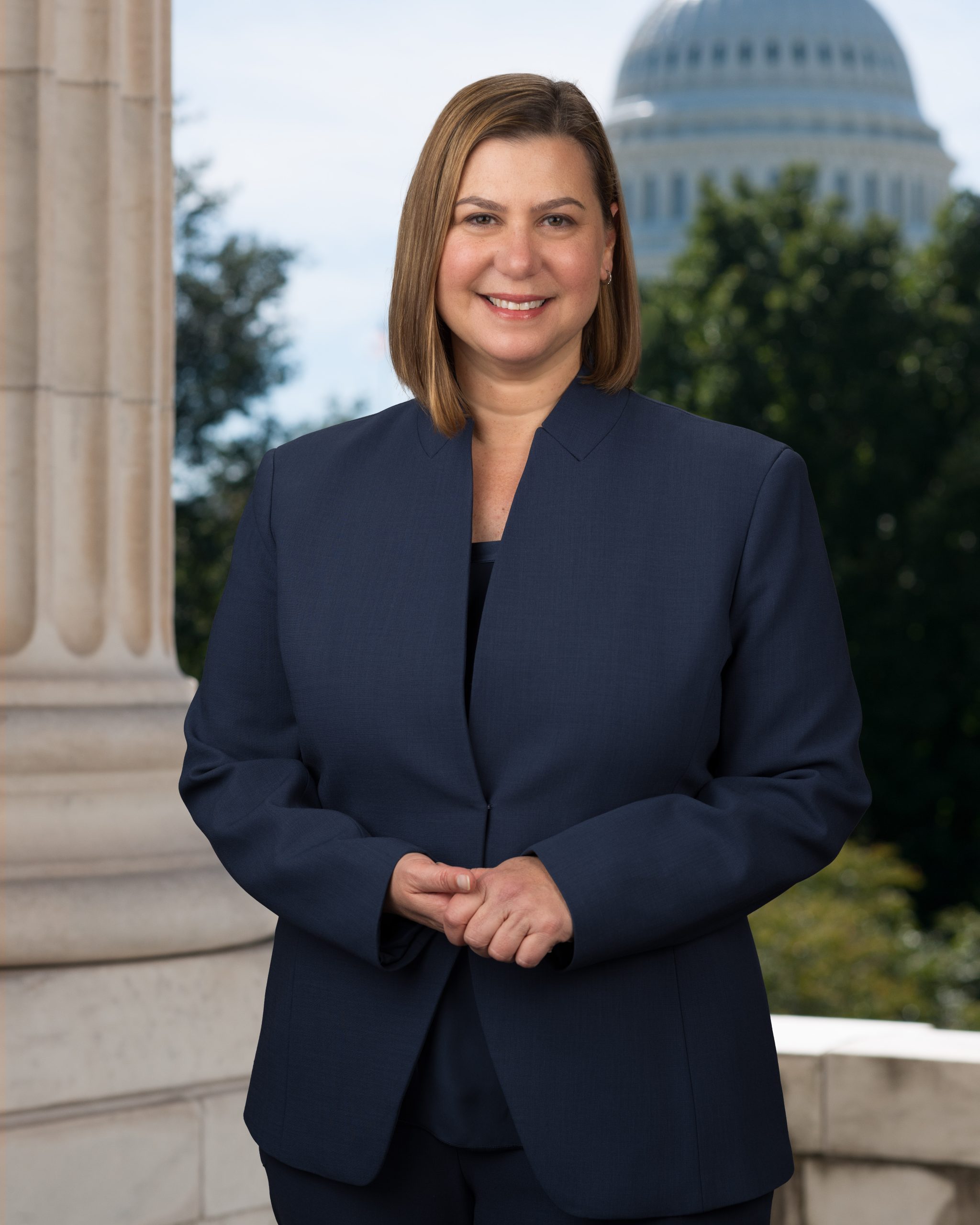
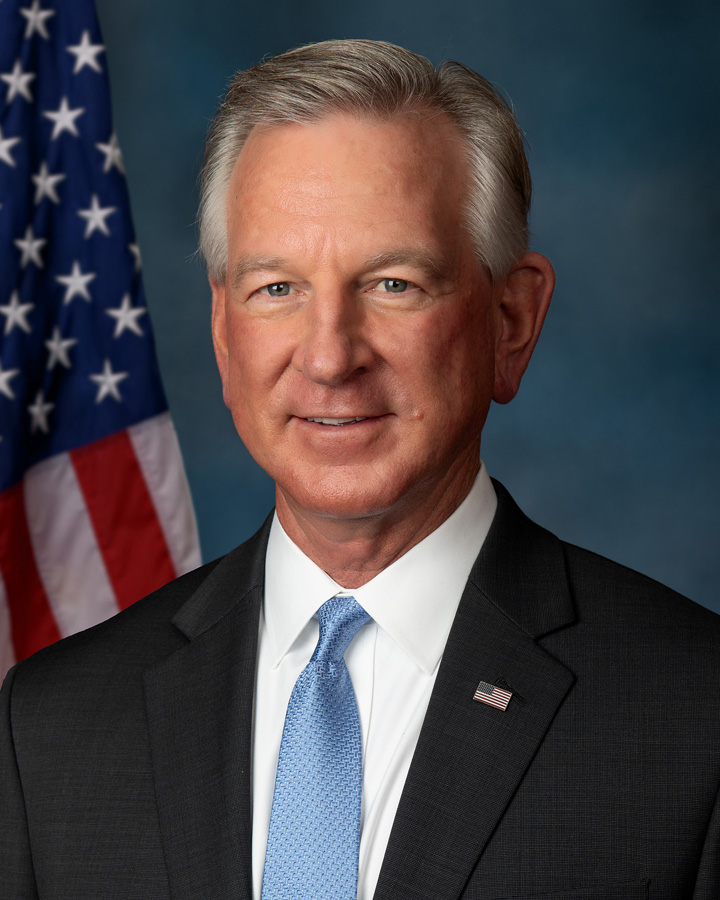
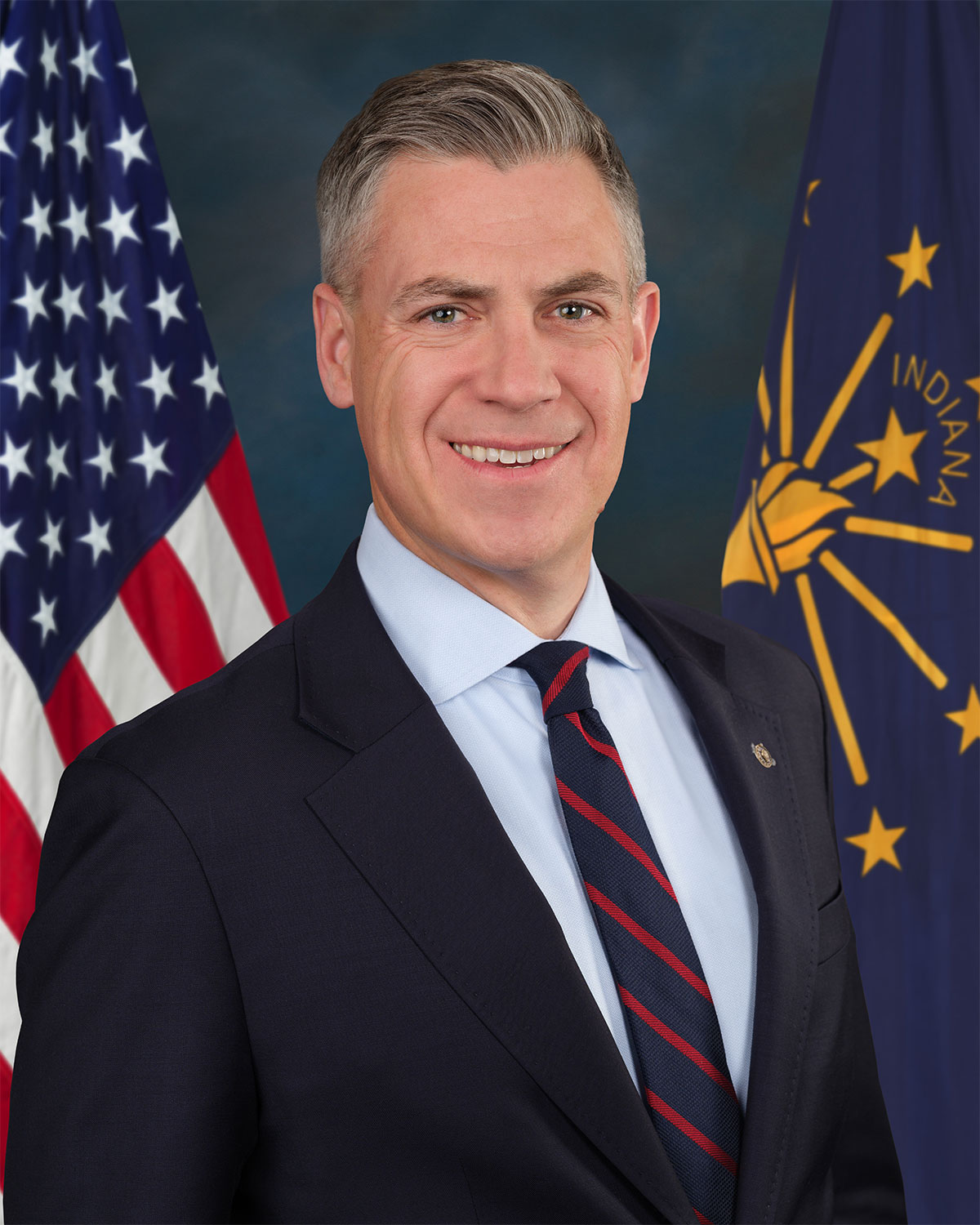
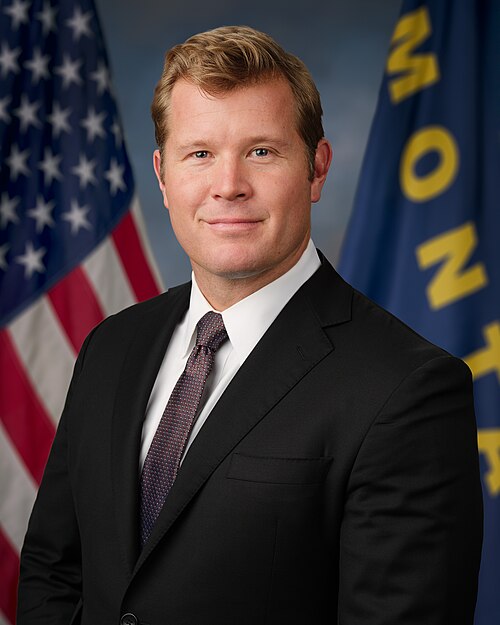
Blumenthal (Ranking Member) appears at the far left of the outer arc; Moran (Chair) at the far right. Democrats cluster on the left, Republicans on the right.
Key Veterans' Affairs Measures
Recent compensation, memorial, and VA reform actionsVeterans’ Compensation Cost-of-Living Adjustment Act of 2025
This law provides an annual cost-of-living adjustment to veterans’ disability compensation and related benefits, keeping them aligned with Social Security increases. It protects the real value of payments for disabled veterans, survivors, and dependents as inflation and living costs rise. The measure reflects a routine but critical commitment to ensure benefits keep pace with economic conditions.
Fallen Servicemembers Religious Heritage Restoration Act
S.1318 addresses how religious symbols and expressions may be displayed at certain memorials honoring fallen servicemembers. It aims to clarify protections for families’ wishes and ensure that the historical and religious heritage of the deceased is respected. Supporters see it as reinforcing religious freedom in veterans’ cemeteries, while implementation details remain under debate.
Disinterment of the remains of Fernando V. Cota from Fort Sam Houston National Cemetery
This bill directs the Secretary of Veterans Affairs to disinter the remains of Fernando V. Cota from Fort Sam Houston National Cemetery. The measure responds to concerns about his eligibility and the appropriateness of his burial in a national cemetery. It highlights how Congress occasionally intervenes in individual cases when serious questions about honor and accountability arise.
Lactation Spaces for Veteran Moms Act
S.778 requires the Department of Veterans Affairs to provide dedicated, private lactation spaces in VA facilities for nursing veterans and certain family members. The bill recognizes that more women veterans are using VA health care and that facilities must meet their specific needs. It is part of a broader push to modernize the VA system so it serves a changing veteran population.
PRO Veterans Act of 2025
The PRO Veterans Act is a broad package focused on improving access, accountability, and outcomes across key VA programs. It strengthens mental health services, modernizes benefits delivery, and supports transitions from active duty to civilian life. By becoming law, it represents one of the major veterans’ policy achievements of the 119th Congress.
ACES Act of 2025
The ACES Act of 2025 expands certain education, training, or workforce opportunities for veterans, aiming to translate military experience into civilian careers. It encourages partnerships among VA, schools, and employers so veterans can quickly access high-quality programs. As a new law, it is intended to boost long-term economic security and reduce underemployment in the veteran community.