What the Committee Does
The Commerce, Science, and Transportation Committee has a broad jurisdiction touching nearly every part of the modern economy. It oversees interstate and international commerce, consumer protection, telecommunications and broadband policy, railroads and trucking, pipelines, maritime issues, aviation, and surface transportation safety.
The committee also plays a central role in shaping federal science and technology policy. It authorizes programs for agencies like NASA, NOAA, NSF, and the Department of Commerce, supports basic research and innovation, and addresses issues such as data privacy, artificial intelligence, and the future of the digital marketplace.
Led by a Chair from the majority party and a Ranking Member from the minority, the committee holds hearings with administration officials, industry leaders, scientists, and consumer advocates. Its work shapes everything from flight delays and shipping costs to how Americans connect to the internet and access cutting-edge technologies.
Committee Membership


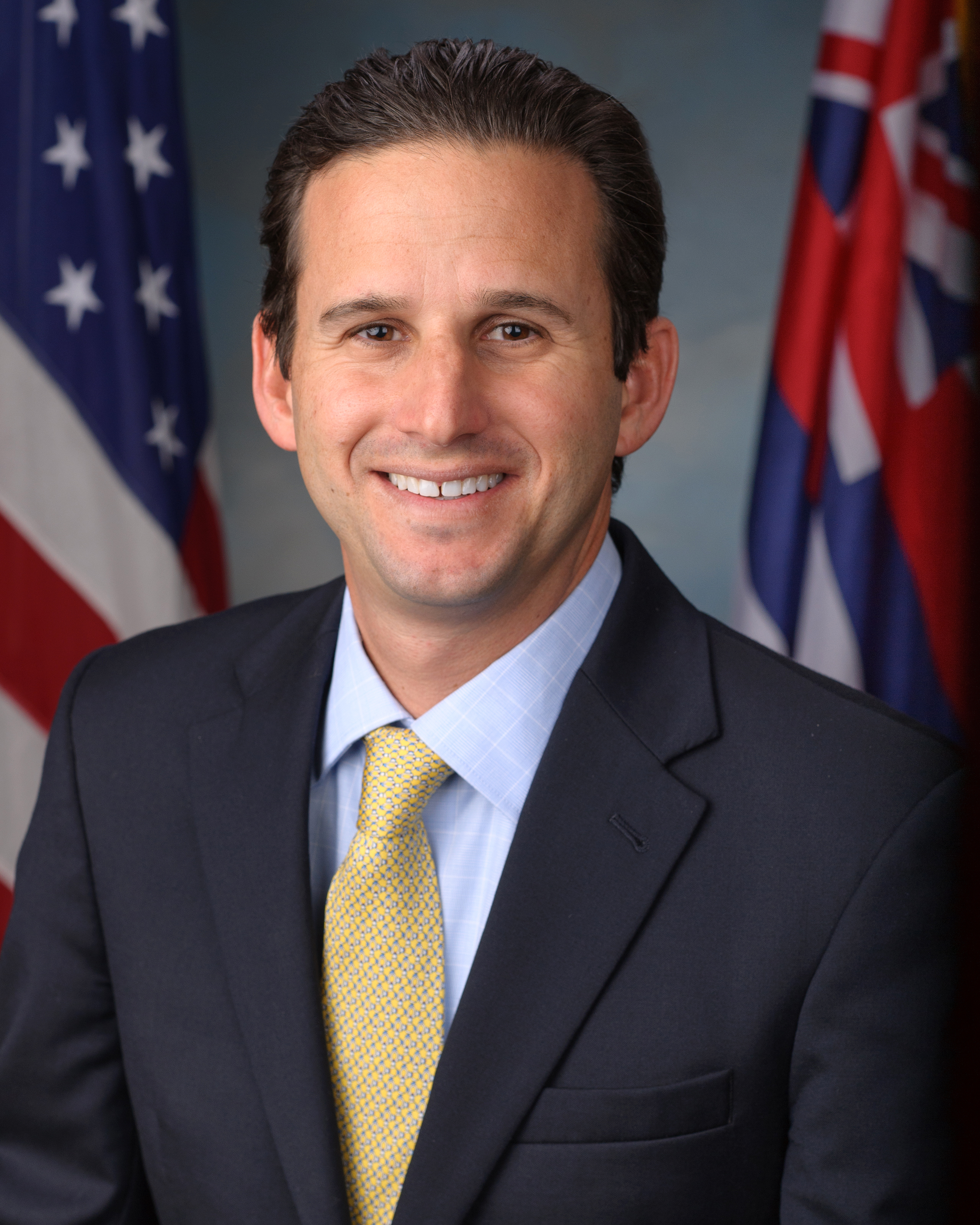


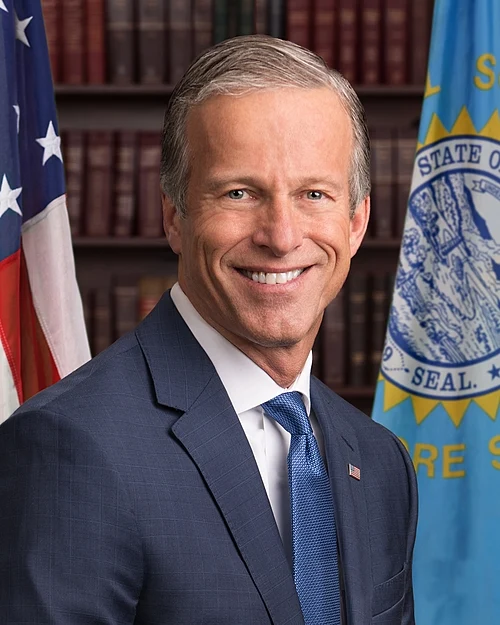
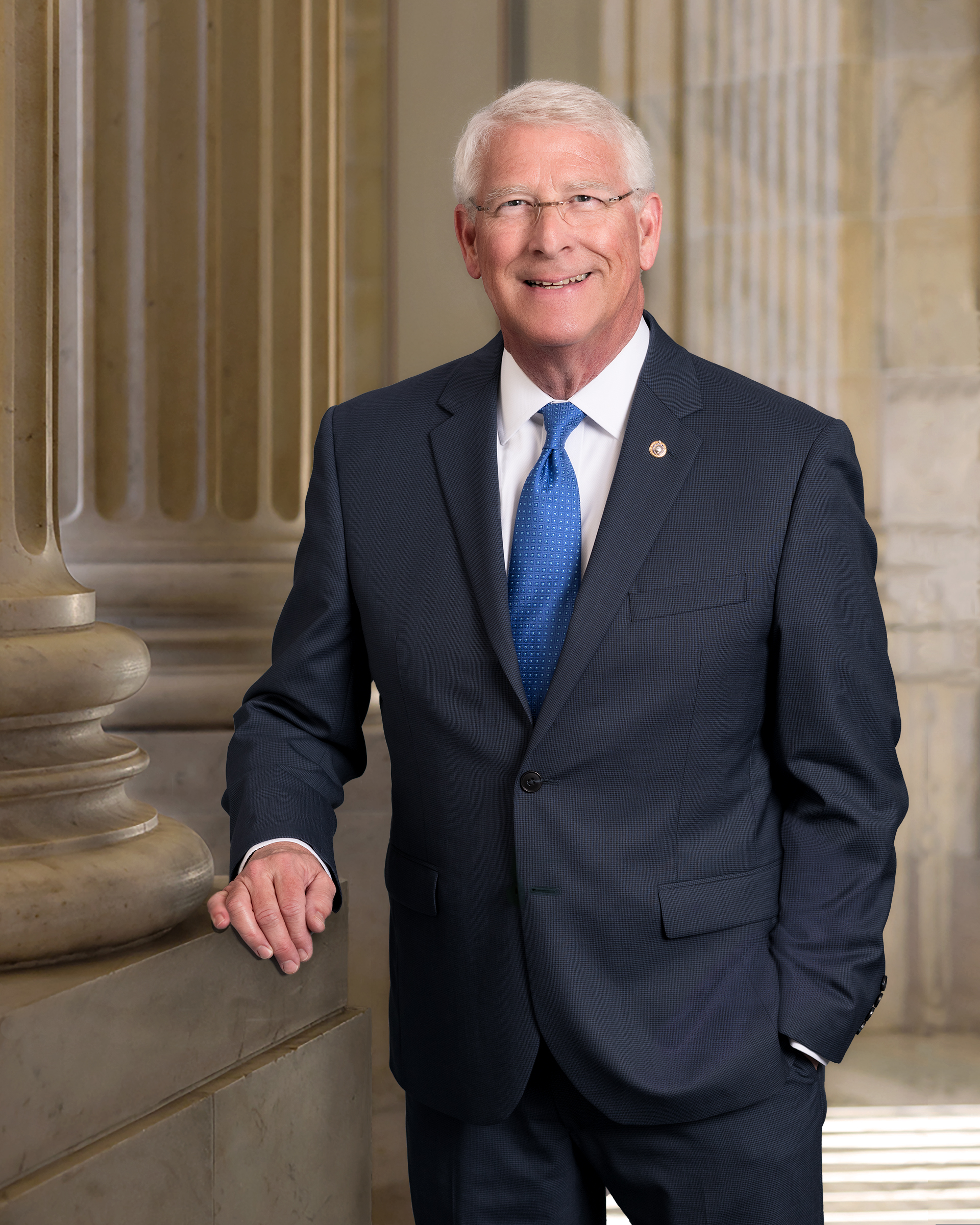




















Cantwell (Ranking Member) appears at the far left of the outer arc; Cruz (Chair) at the far right. Democratic members cluster on the left side of the semicircle, Republicans on the right.
Key Commerce, Science, & Transportation Legislation
Examples of measures within the committee's jurisdictionTAKE DOWN Act
The Tools to Address Known Exploitation by Immobilizing Technological Deepfakes on Websites and Networks (TAKE IT DOWN) Act aims to protect individuals from the nonconsensual online publication of intimate images, including both authentic and computer-generated depictions. It makes it illegal to post such material without consent when it causes harm, violates privacy, or involves minors for abusive or exploitative purposes. Offenders face criminal penalties, including fines, imprisonment, and mandatory restitution. The bill also requires online platforms that host user-generated content to create systems allowing victims to request removal of these depictions. Once notified, platforms must remove the content within 48 hours, ensuring rapid response to protect victims’ privacy and dignity.
Illegal Red Snapper and Tuna Enforcement Act
Directs NIST and NOAA to develop standard methods to determine country-of-origin for red snapper and certain tuna — to crack down on illegal fishing and smuggling
Coast Guard Authorization Act of 2025
Authorizes funding and policy updates for the U.S. Coast Guard via the Commerce Committee’s jurisdiction—covering border security, maritime commerce, ice-breakers, personnel reforms
Promoting Resilient Supply Chains Act of 2025
This bill directs the Industry and Analysis Office within the Department of Commerce’s International Trade Administration to monitor and address disruptions in critical industries and supply chains. It requires the creation of a Supply Chain Resilience Working Group to assess, map, and model critical supply chains, identify key vulnerabilities and high-priority gaps, and evaluate the impact of potential disruptions on market stability. The office must collaborate with other government agencies and international partners to strengthen supply chain security. In consultation with the working group and private sector experts, the office will develop and implement strategies to enhance the resilience and manufacturing capacity of critical and emerging technology industries. The bill also mandates regular reporting on findings and progress.
Strengthening Support for American Manufacturing Act
This bill requires the Department of Commerce to partner with the National Academy of Public Administration to conduct a comprehensive study of its offices and bureaus involved in critical supply chain resilience and manufacturing and industrial innovation. The resulting report must assess each office’s purpose, legal authority, effectiveness, efficiency, and limitations, and include recommendations to enhance their performance and overall impact in strengthening the nation’s supply chains and industrial competitiveness.
ANCHOR Act
This bill directs the National Science Foundation (NSF) to create a comprehensive plan to enhance the cybersecurity and telecommunications infrastructure of the U.S. Academic Research Fleet (ARF)—a network of U.S.-flagged research vessels supporting oceanographic research and education. The plan must assess the ARF’s communication and networking requirements, cybersecurity needs, associated costs, and implementation timelines. It must also outline funding responsibilities among the NSF, the Office of Naval Research, nonfederal vessel owners, and research users, while proposing shared solutions such as centralized cybersecurity or data management systems. In developing the plan, the NSF must consider mission-critical network capabilities, international information security standards, and protocols for handling sensitive data. The final plan must be submitted to Congress within one year of enactment.