
What the Committee Does
The Rules and Administration Committee writes and enforces the rules that govern debate, voting, and procedures on the Senate floor. It handles matters like committee funding resolutions, office allocations, and the administration of Senate elections and recounts. In doing so, it serves as the institutional backbone that allows the chamber to function.
The committee also has jurisdiction over the physical Capitol complex, including maintenance, security coordination, and certain aspects of visitor access. It oversees key legislative support agencies and cultural institutions such as the Library of Congress and the Smithsonian. Through hearings and formal resolutions, it balances tradition with the practical needs of a modern legislative body.
Committee Membership
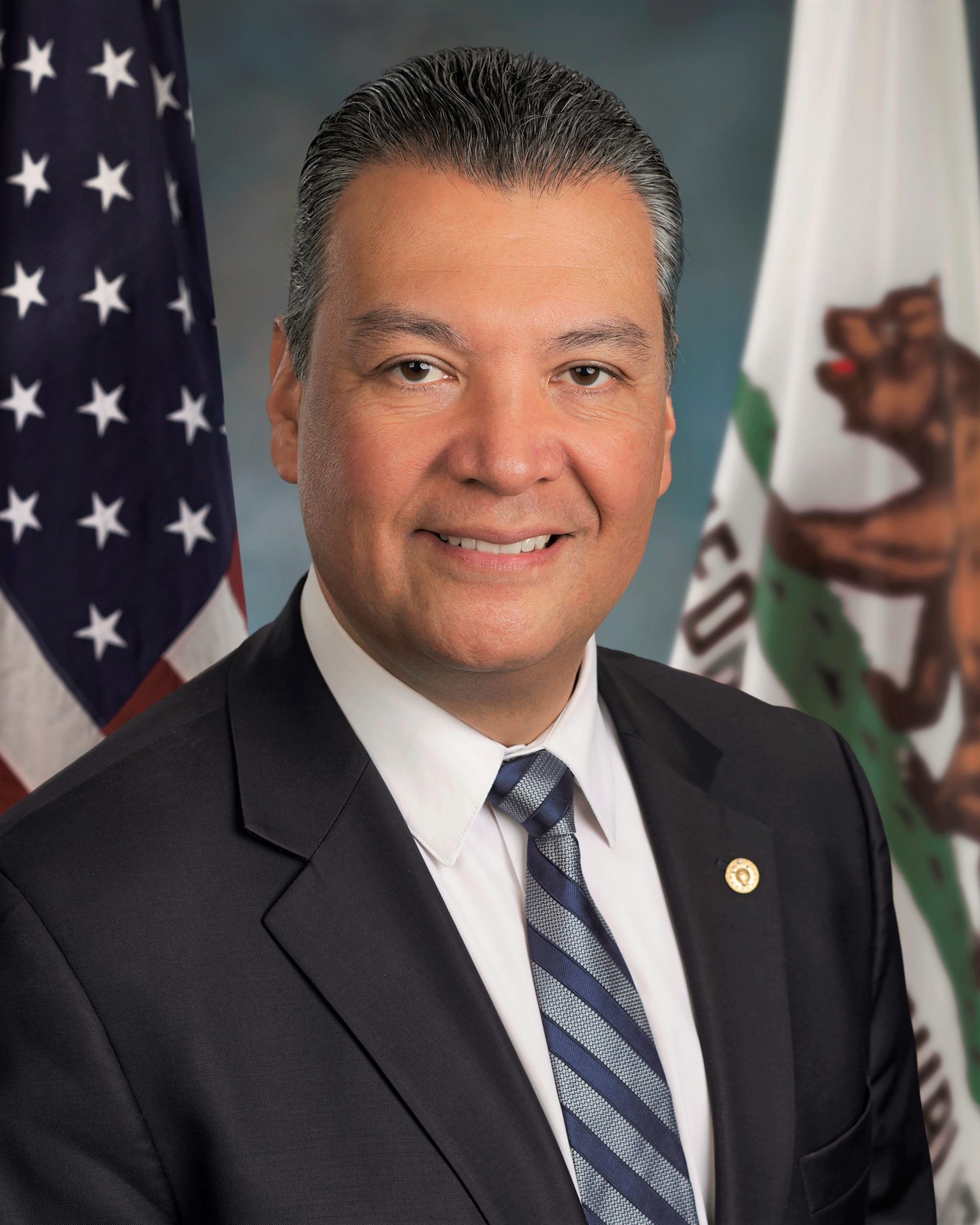
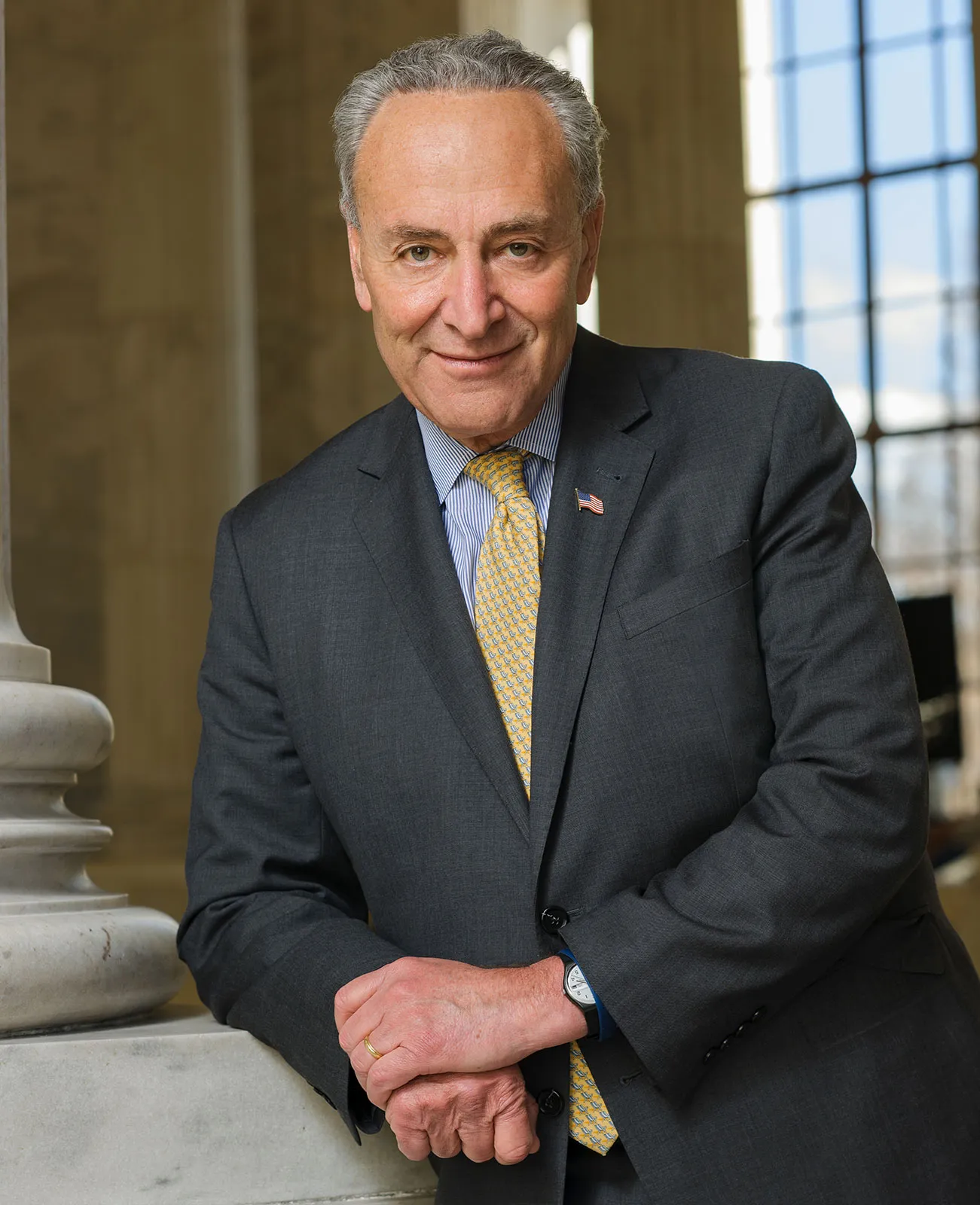
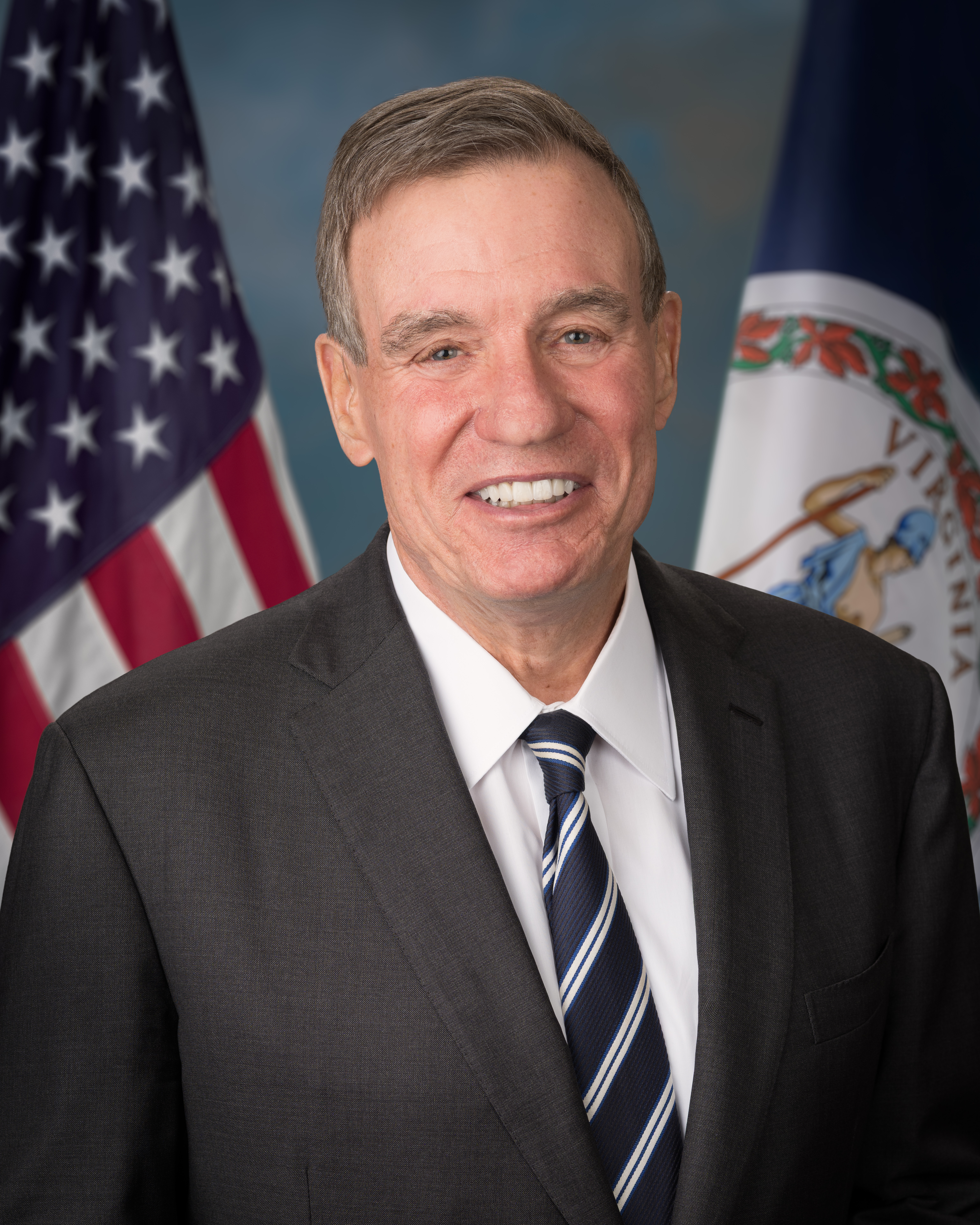






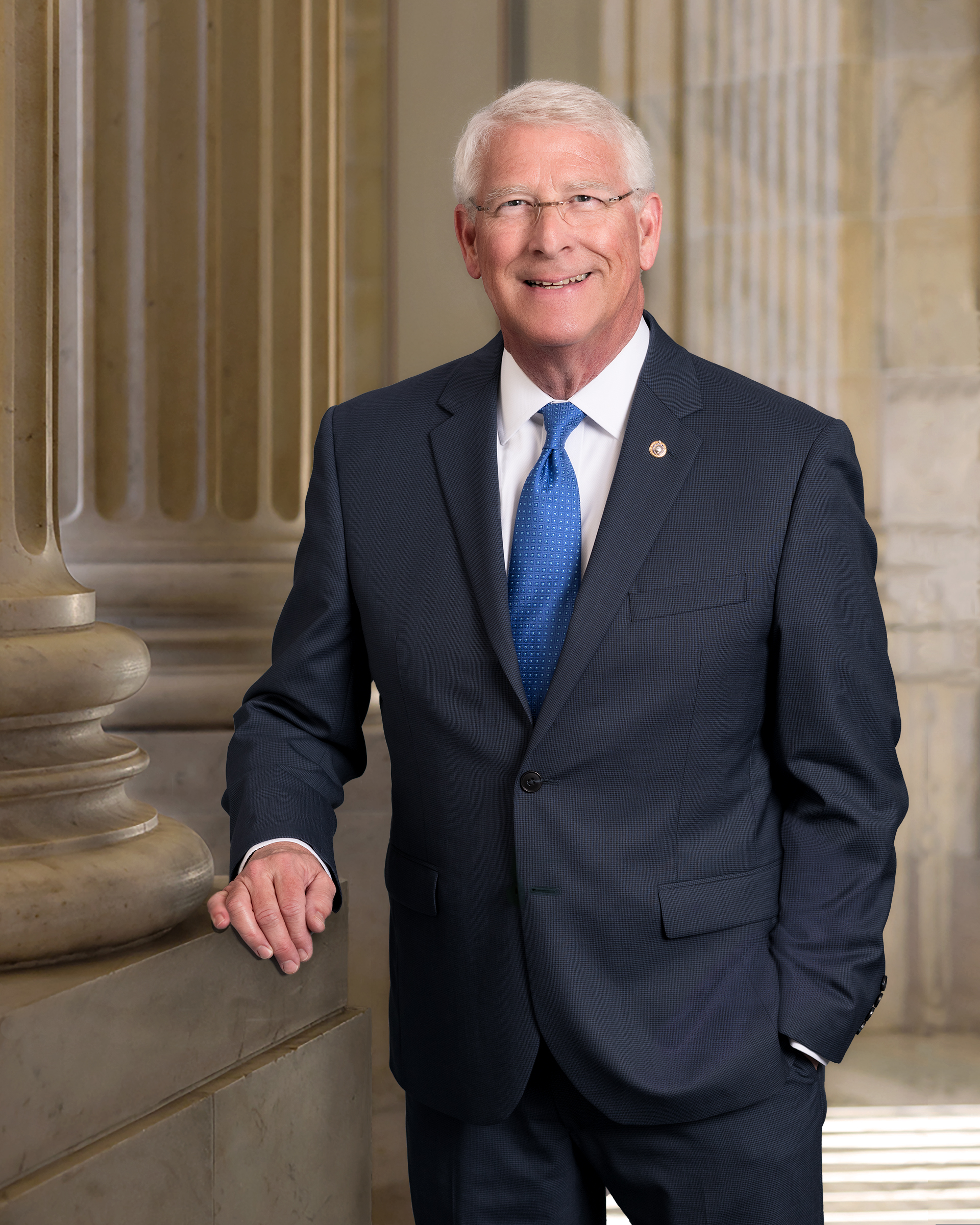
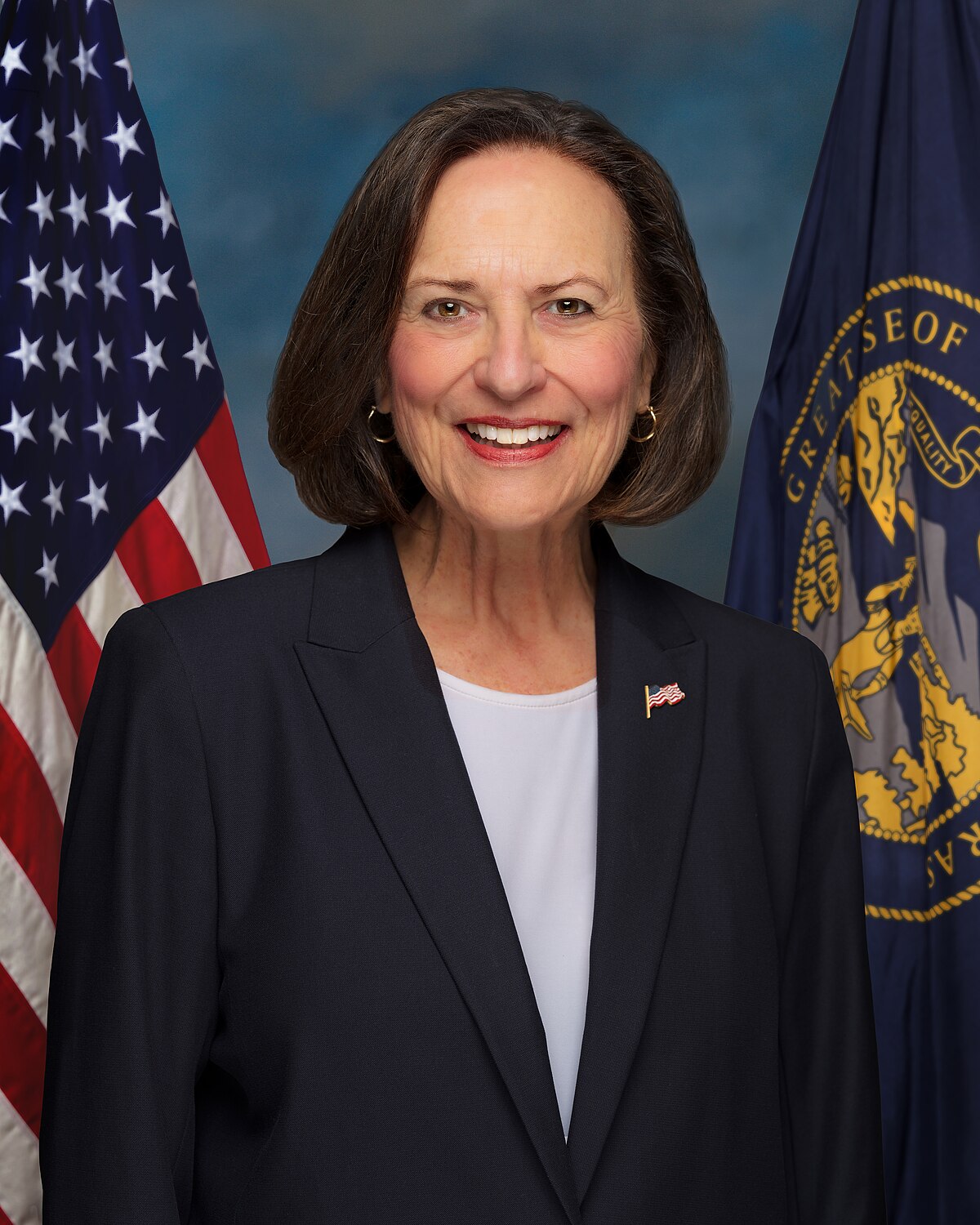
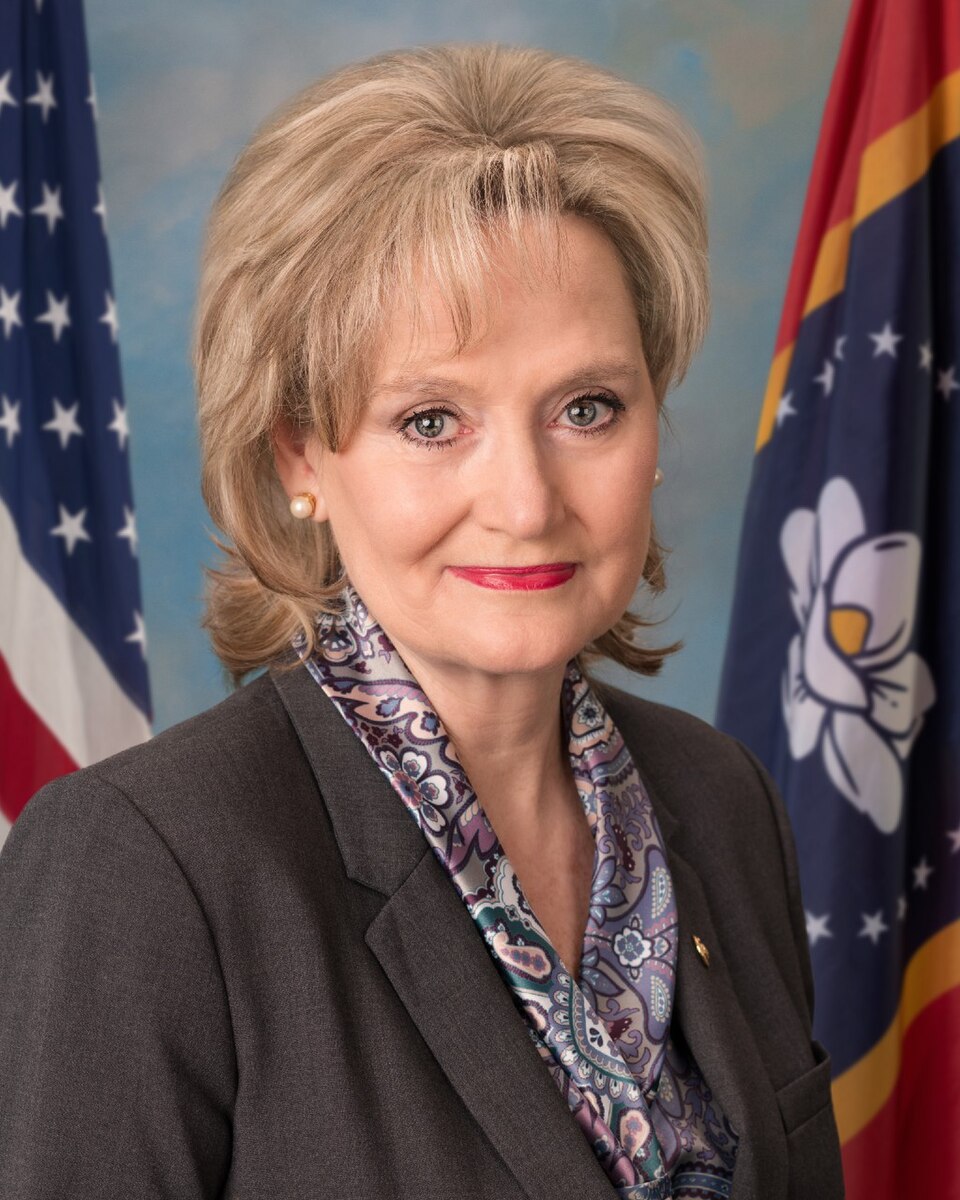
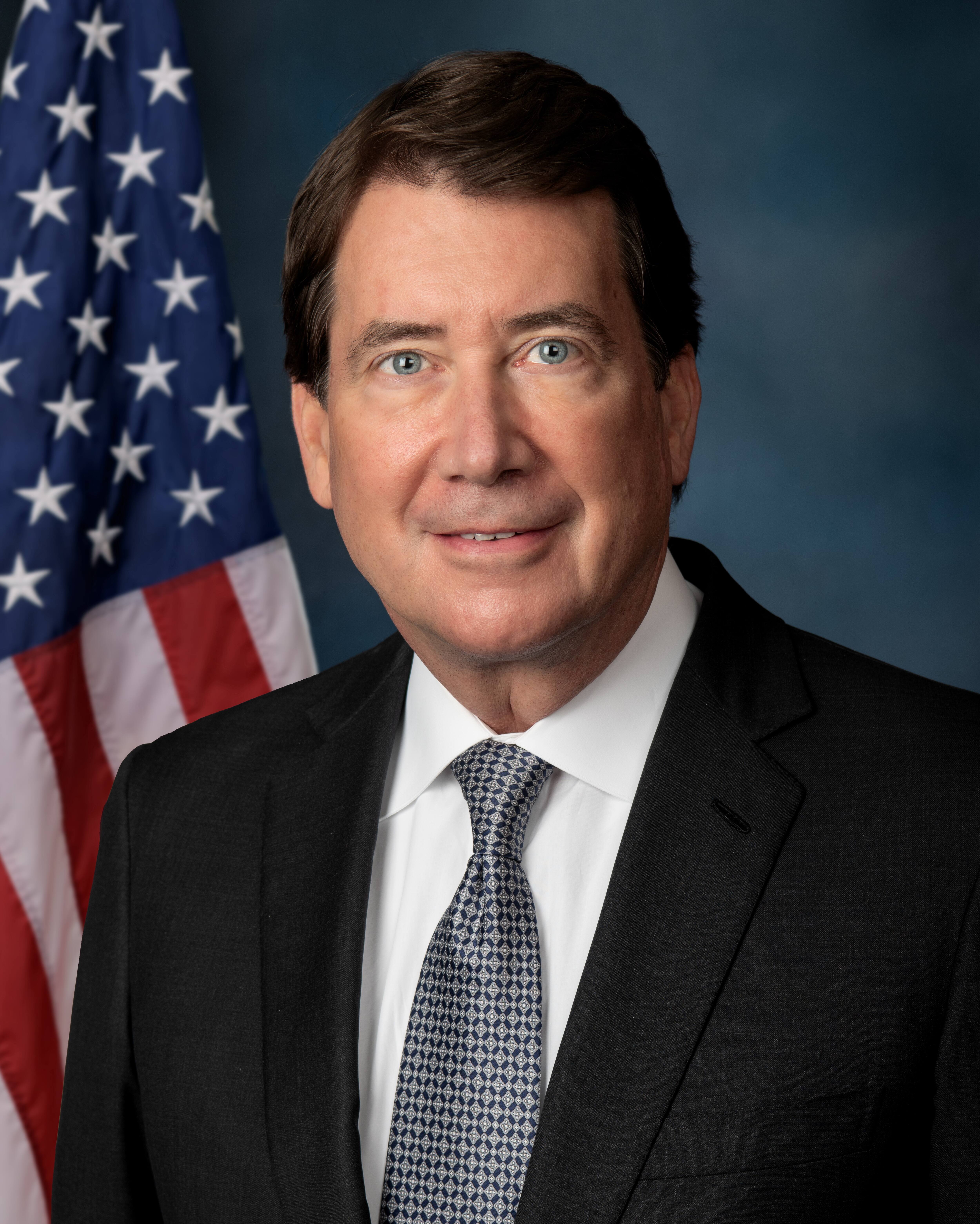




Padilla (Ranking Member) appears at the far left of the outer arc; McConnell (Chair) at the far right. Democrats cluster on the left, Republicans on the right.
Key Rules & Administration Resolutions
Committee funding and internal Senate operationsAuthorizing Senate committee expenditures for March 1, 2025 through February 28, 2027
S.Res.94 sets the spending authority for all Senate committees across three budget periods from March 2025 through February 2027. It defines how much each committee may spend on staff, investigations, hearings, and other official business. By approving this resolution, the Senate effectively funds its own committee oversight and legislative work for the entire Congress.
Authorizing expenditures by the Committee on Foreign Relations
S.Res.90 establishes the budget for the Senate Foreign Relations Committee for the current Congress. It covers staffing, travel, and operational costs needed for hearings, diplomatic oversight, and legislative drafting on foreign policy issues. The Rules and Administration Committee reviews it as part of its broader role in managing Senate committee funding.
Authorizing expenditures by the Committee on Commerce, Science, and Transportation
S.Res.82 authorizes funds for the Commerce, Science, and Transportation Committee to conduct its work on telecommunications, transportation policy, and scientific research. The resolution underwrites hearings, investigations, and staff support that inform legislation in these areas. It moves through Rules and Administration along with similar spending plans for other standing committees.
Authorizing expenditures by the Committee on the Budget
S.Res.78 sets the operational budget for the Senate Budget Committee. That committee uses these resources to develop budget resolutions, analyze fiscal proposals, and conduct oversight of federal spending plans. The resolution is one piece of the Rules Committee’s annual work to organize and finance Senate committees.
Authorizing expenditures by the Committee on Homeland Security and Governmental Affairs
S.Res.77 funds the Homeland Security and Governmental Affairs Committee’s investigations and legislative work on federal management and homeland security. It pays for staff, hearings, and other activities that support oversight of the Department of Homeland Security and the civil service. The Rules Committee’s consideration ensures the committee has the capacity to respond to emerging threats and governance challenges.
Authorizing expenditures by the Committee on Health, Education, Labor and Pensions
S.Res.76 authorizes the operating budget for the HELP Committee, which oversees health, education, labor, and pensions policy. The funding supports its staff, hearings, and research work on issues like student loans, workplace safety, and public health. Through this resolution, Rules and Administration keeps a key domestic policy committee functioning.
Authorizing expenditures by the Committee on Veterans' Affairs
S.Res.74 provides the Veterans’ Affairs Committee with funds for staff, investigations, and hearings related to VA benefits and services. The committee relies on this authorization to review problems at the Department of Veterans Affairs and to craft reforms. It is one of several committee spending plans that pass through the Rules Committee each Congress.
Authorizing expenditures by the Select Committee on Intelligence
S.Res.73 sets the budget for the Senate Select Committee on Intelligence. That committee uses these resources to oversee the intelligence community, review classified programs, and support secure operations. The Rules and Administration Committee manages this funding request while balancing the need for secrecy with the Senate’s internal budget process.
Authorizing expenditures by the Committee on Small Business and Entrepreneurship
S.Res.71 authorizes funds for the Small Business and Entrepreneurship Committee to carry out its work on lending, regulation, and federal support for small firms. The resolution pays for staff and hearings that examine how federal programs affect Main Street businesses. Its referral to Rules reflects the central role the committee plays in coordinating all committee budgets.
Authorizing expenditures by the Committee on Energy and Natural Resources
S.Res.70 lays out the spending authority for the Energy and Natural Resources Committee. The funds support its efforts to craft energy policy, oversee public lands, and examine climate and resource issues. As with other committee budgets, Rules and Administration reviews the request to maintain consistency and fiscal discipline within the Senate.
Authorizing expenditures by the Committee on Armed Services
S.Res.69 provides the Armed Services Committee with the funding needed to handle oversight of the Pentagon and national defense policy. This includes resources for hearings with military leaders, staff work on the defense authorization bill, and investigations into readiness and procurement. The resolution is part of the annual package that keeps major committees fully staffed and active.
Authorizing expenditures by the Committee on the Judiciary
S.Res.65 authorizes the Judiciary Committee’s operating budget for work on courts, civil rights, criminal justice, and nominations. With this funding, the committee can staff investigations, hold confirmation hearings, and develop complex legal legislation. Rules and Administration vets the spending level as it considers budgets for all other standing committees.
Authorizing expenditures by the Committee on Finance
S.Res.63 sets the budget for the Finance Committee, which is responsible for tax, trade, and major entitlement programs. The funds support its economists, lawyers, and staff who design tax legislation and monitor Social Security and Medicare. The Rules Committee ensures the Finance Committee has sufficient resources given its central role in fiscal policy.
Authorizing expenditures by the Special Committee on Aging
S.Res.62 funds the Special Committee on Aging, which focuses on issues facing older Americans. The resolution pays for hearings, policy research, and outreach on retirement security, elder abuse, and health care for seniors. By managing this budget, Rules and Administration helps sustain specialized oversight on aging-related challenges.
Authorizing expenditures by the Committee on Indian Affairs
S.Res.60 authorizes operating funds for the Committee on Indian Affairs. These resources enable the committee to examine federal obligations to tribal nations, review legislation, and hold consultations. Its referral to Rules underscores that even specialized committees must have their budgets approved within a unified Senate framework.
Authorizing expenditures by the Committee on Environment and Public Works
S.Res.59 sets the spending authority for the Environment and Public Works Committee. The funds support staff and hearings on infrastructure, environmental regulation, and public works projects. The Rules Committee’s review ensures this influential committee has the capacity to handle major infrastructure and climate debates.
Authorizing expenditures by the Committee on Banking, Housing, and Urban Affairs
S.Res.58 provides the Banking, Housing, and Urban Affairs Committee with funding for its work on financial regulation and housing policy. Staff and hearing resources funded here support oversight of banks, capital markets, and housing programs. The resolution fits into Rules and Administration’s broader job of structuring the Senate’s committee system each Congress.
Authorizing expenditures by the Committee on Agriculture, Nutrition, and Forestry
S.Res.57 authorizes the Agriculture, Nutrition, and Forestry Committee’s budget for work on farm policy, rural development, and nutrition programs. It pays for staff and hearings that shape farm bills and food assistance legislation. The Rules Committee’s consideration ensures agriculture oversight is funded alongside the rest of the Senate’s core committees.