
What the Committee Does
The Foreign Relations Committee shapes U.S. engagement with the rest of the world. It has jurisdiction over treaties, the Department of State and the U.S. Agency for International Development, security assistance, arms-control and non-proliferation agreements, and many sanctions and human-rights laws.
The committee reviews ambassadorial and senior diplomatic nominations, authorizes foreign aid and global health programs, and oversees State Department and USAID budgets. Its work influences how the United States responds to wars, humanitarian crises, democratic backsliding, and great-power competition.
Led by the Chair and Ranking Member, the committee holds hearings with cabinet officials, regional experts, military commanders, and civil-society leaders. Foreign Relations measures often become vehicles for major sanctions packages, alliance commitments, and statements of congressional foreign-policy priorities.
Committee Membership
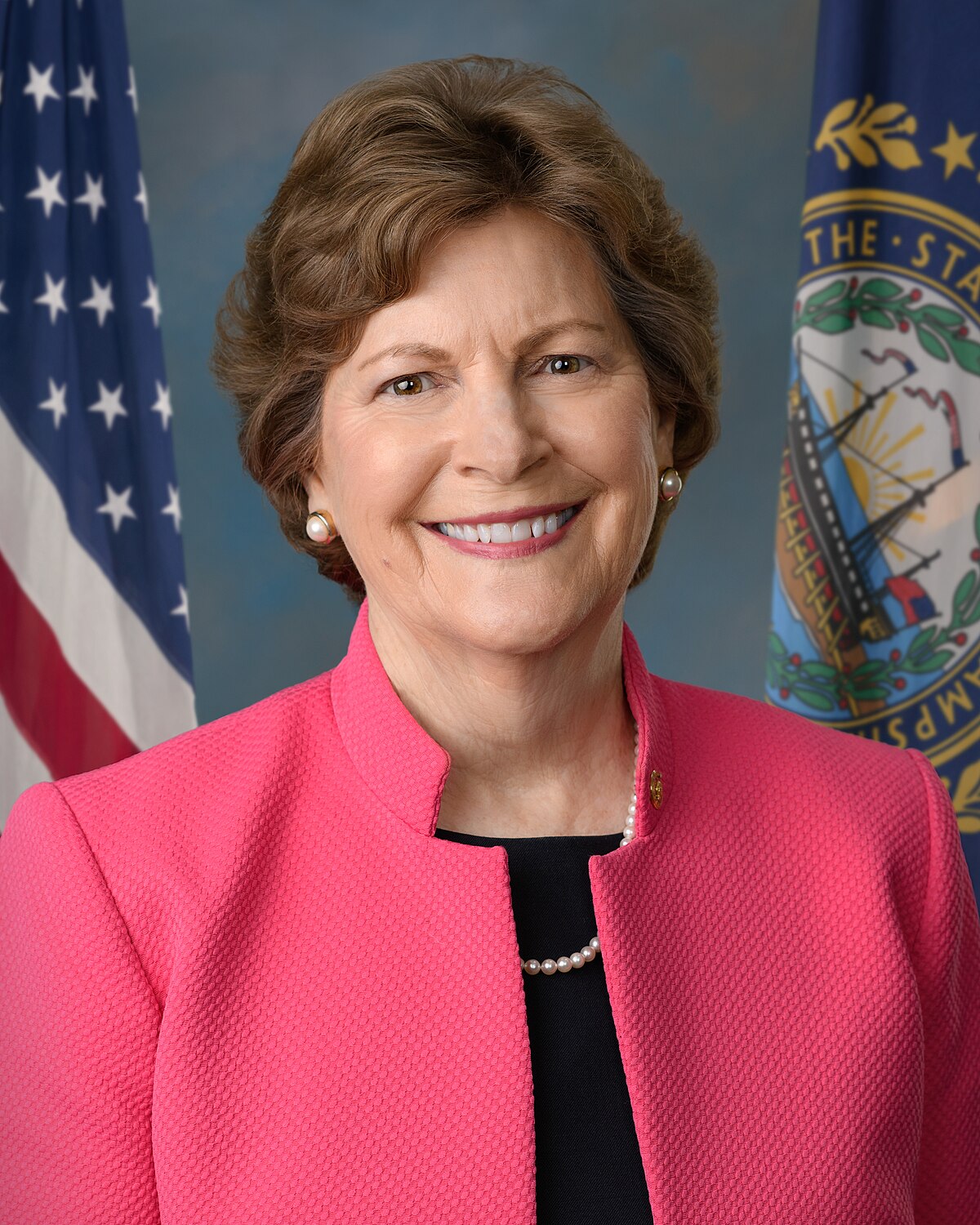

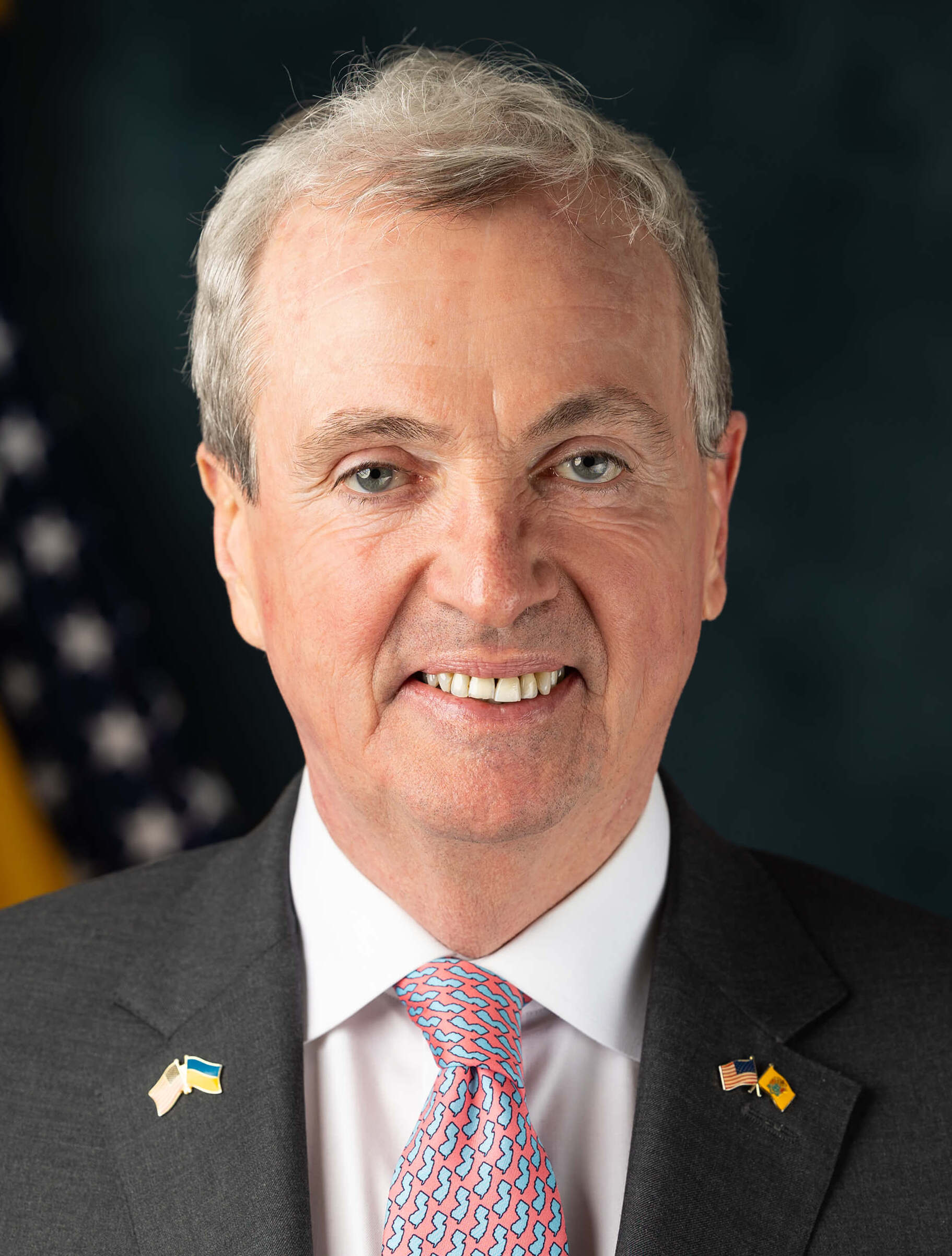
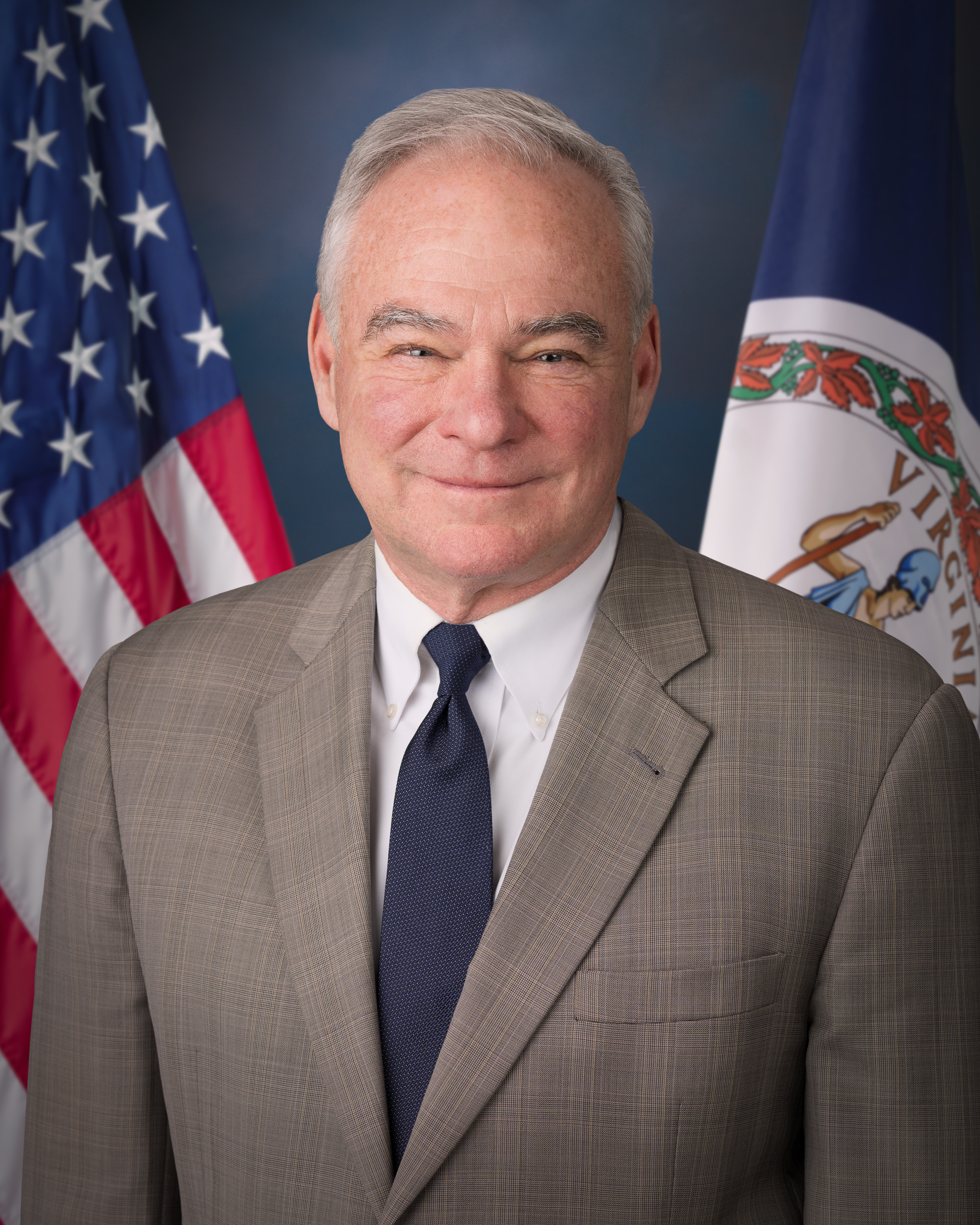


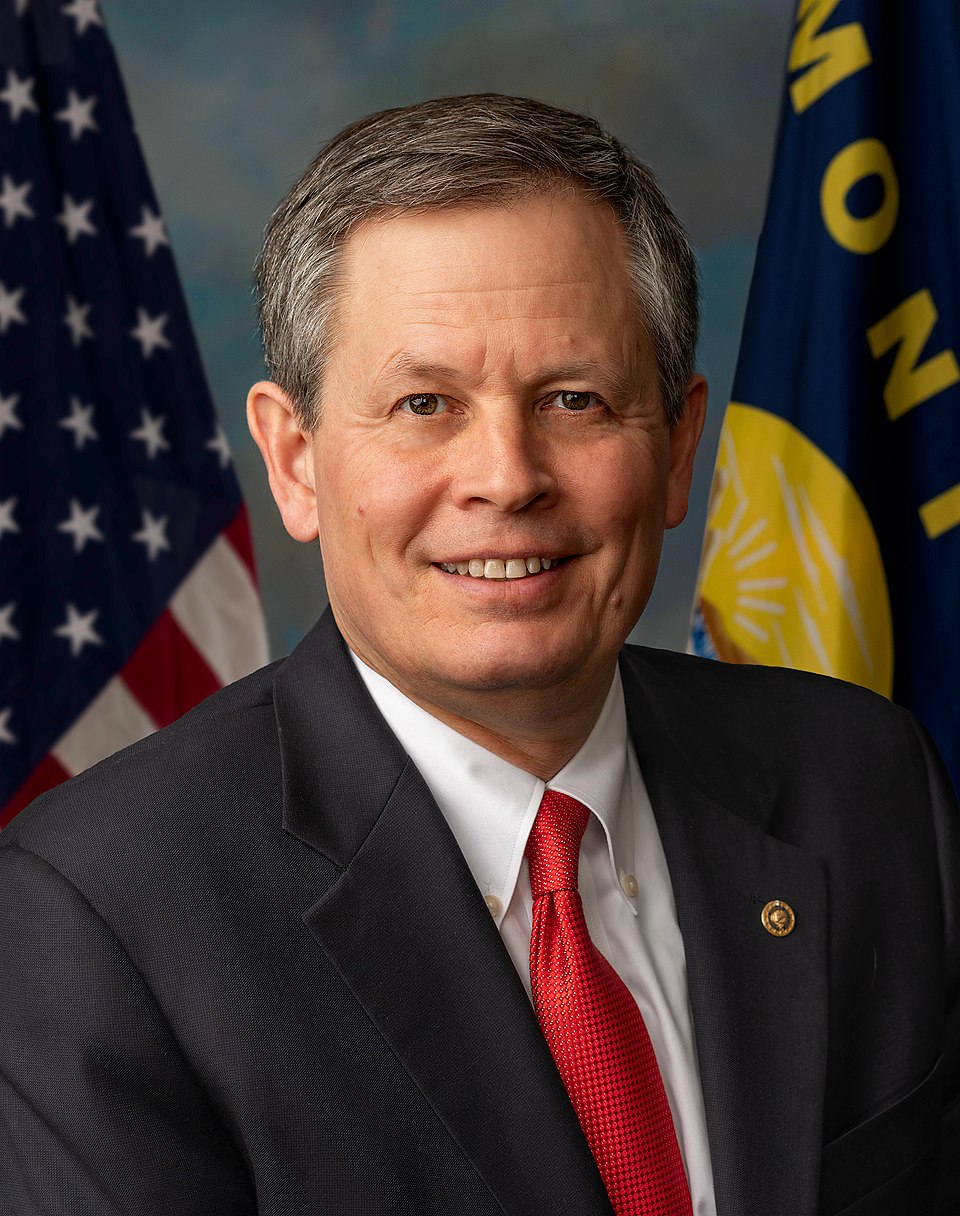
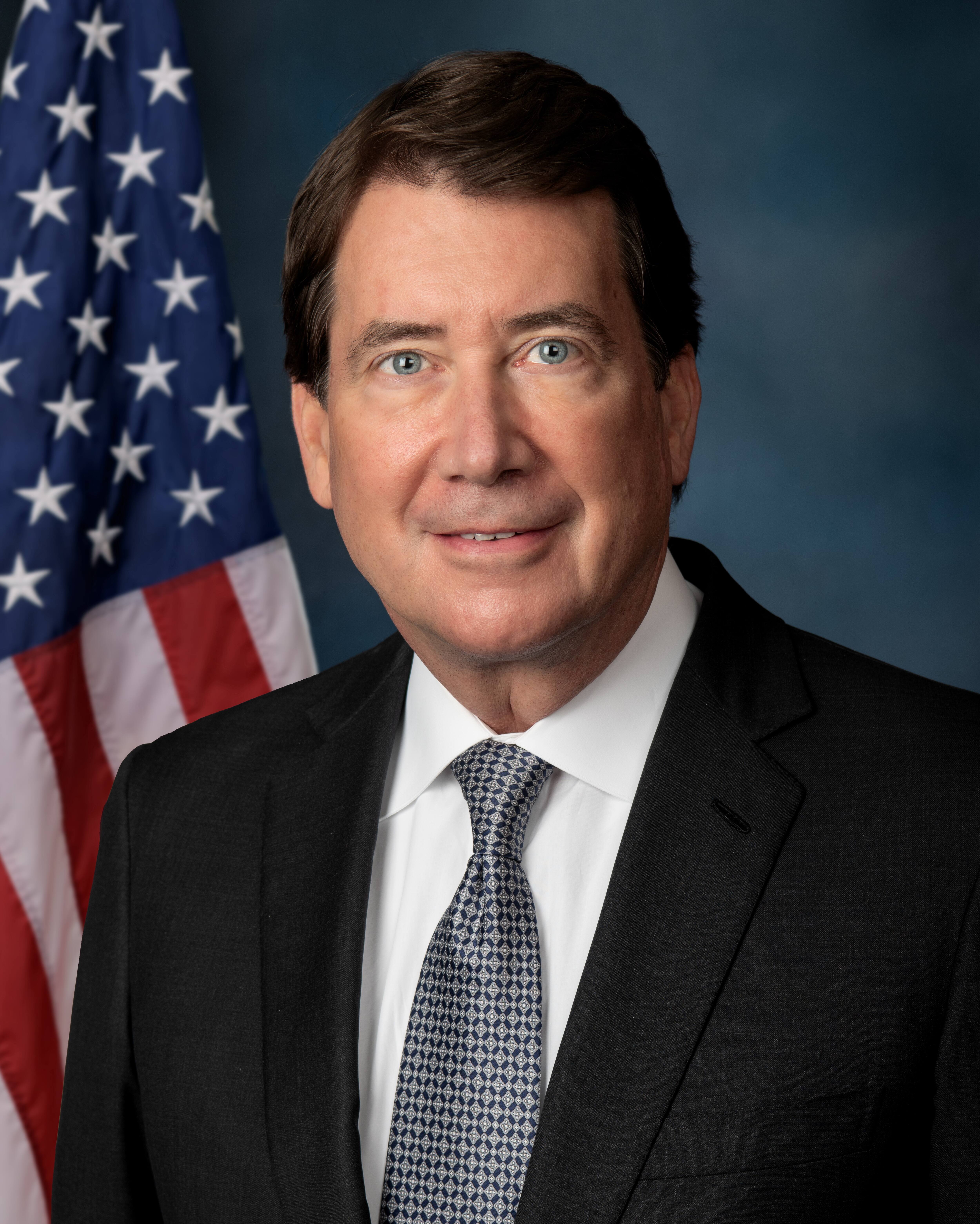
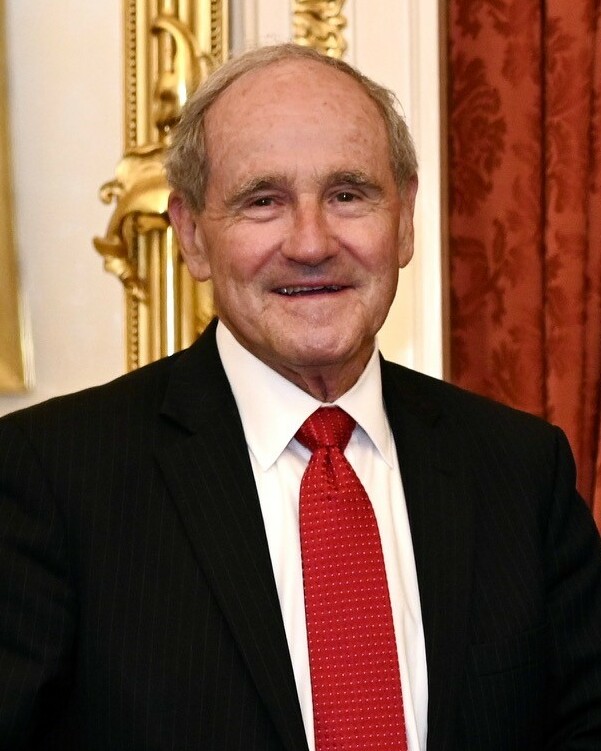

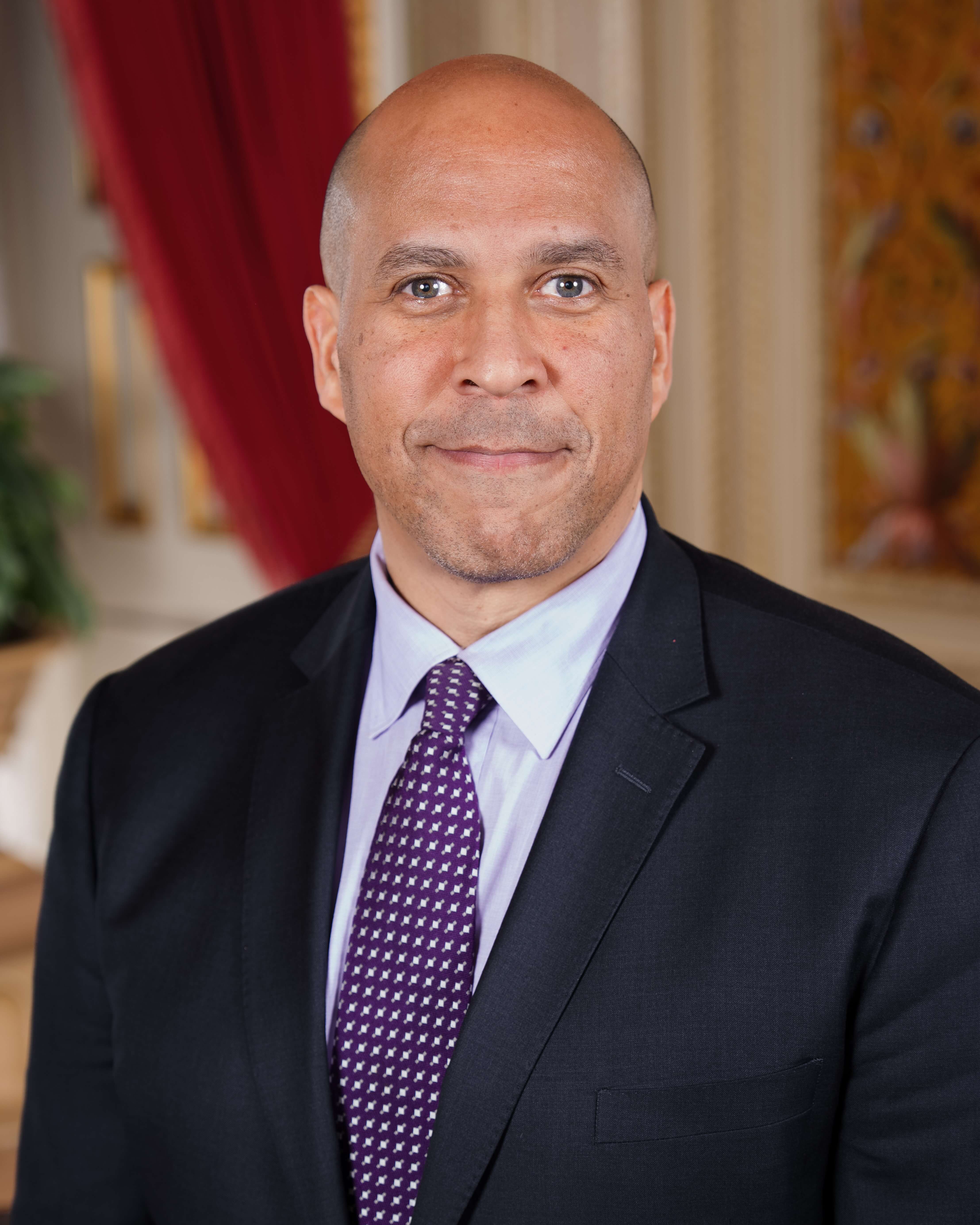
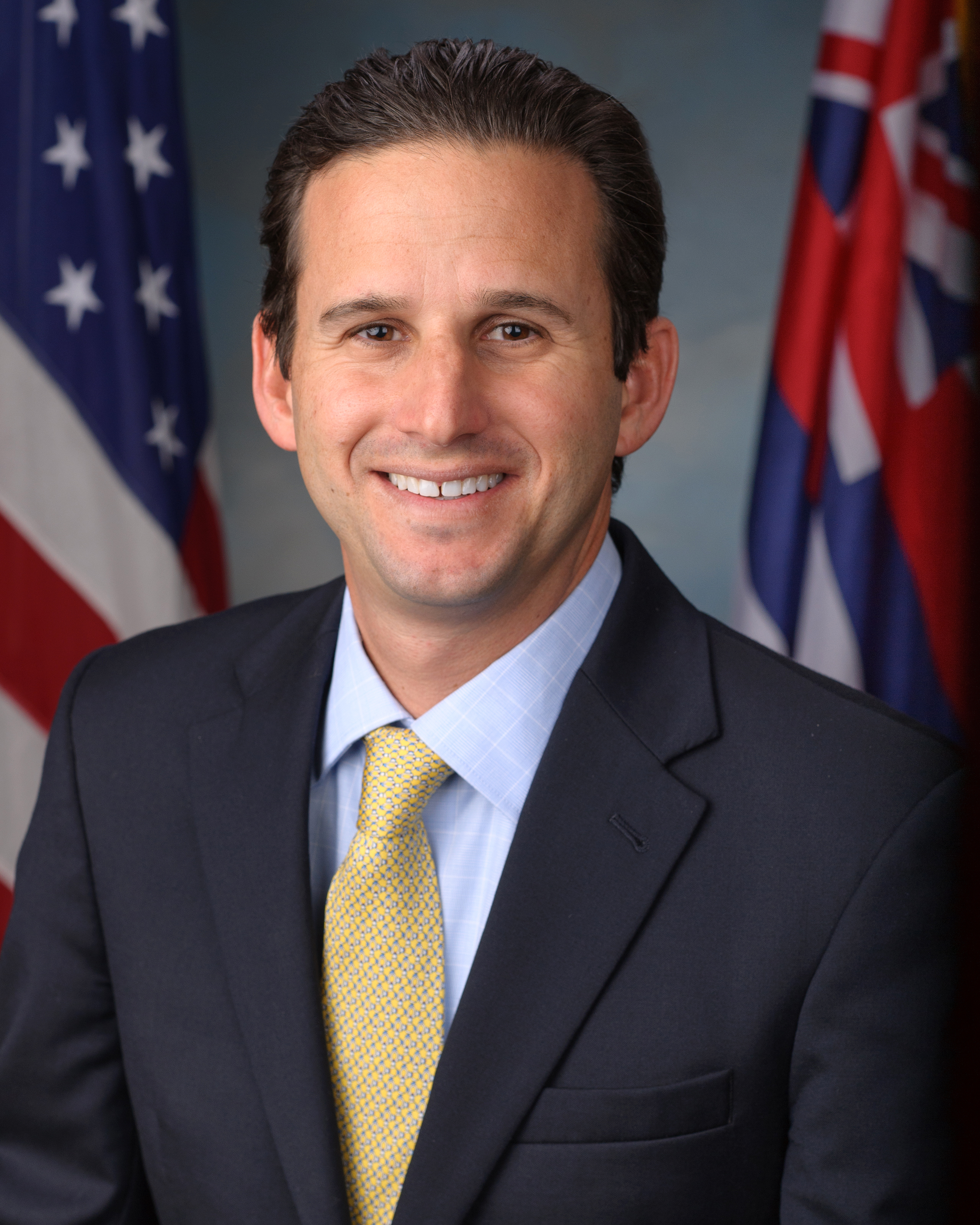
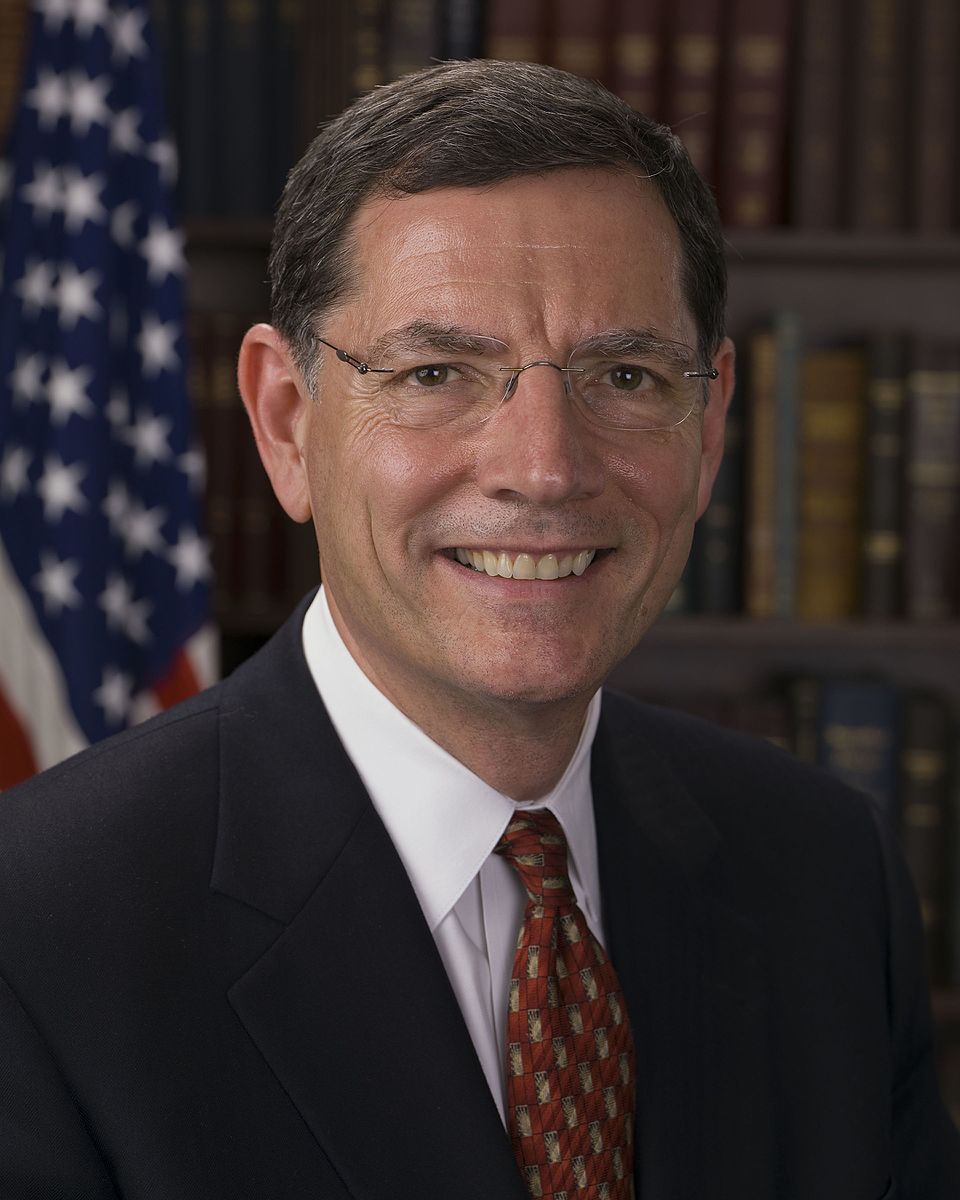
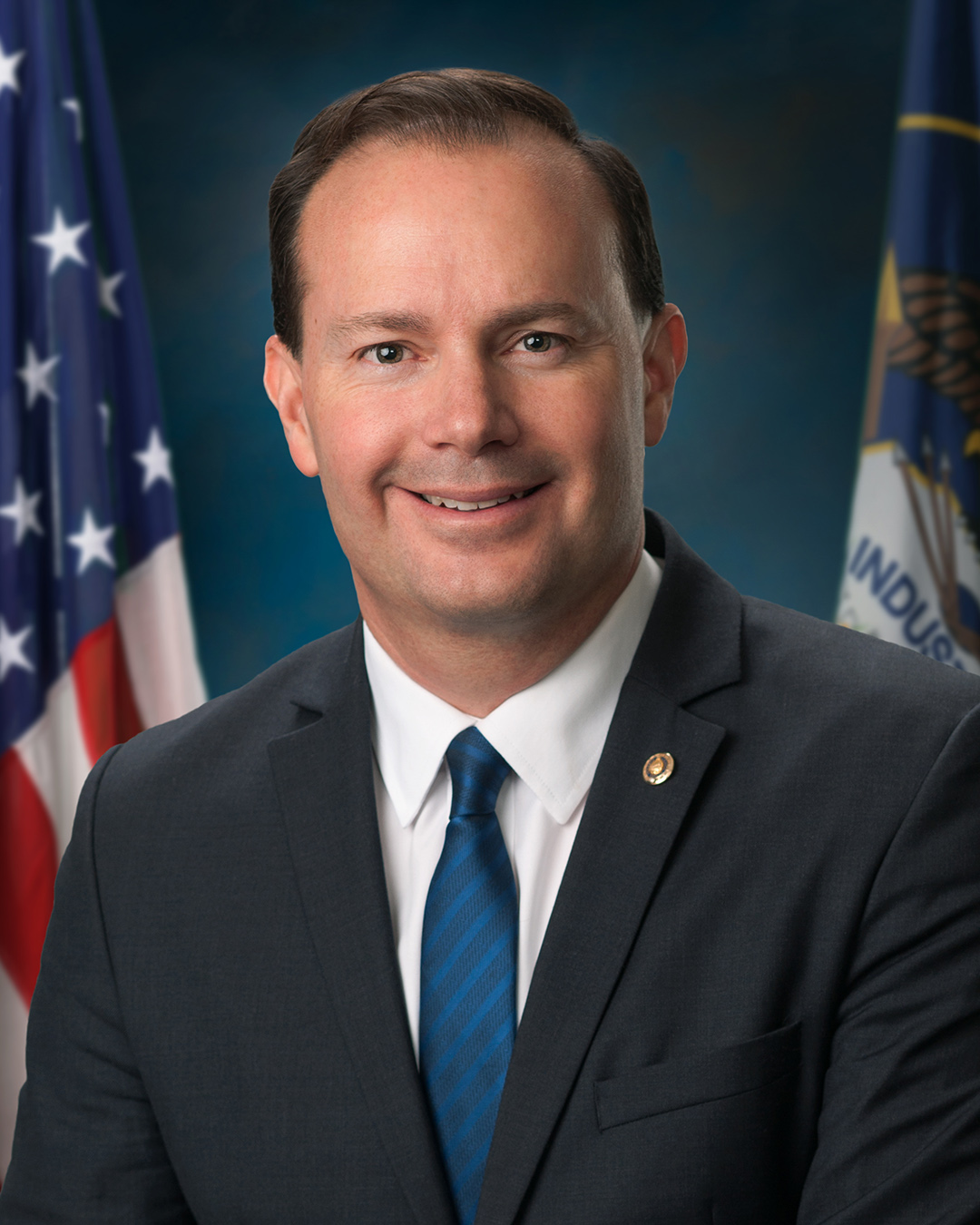


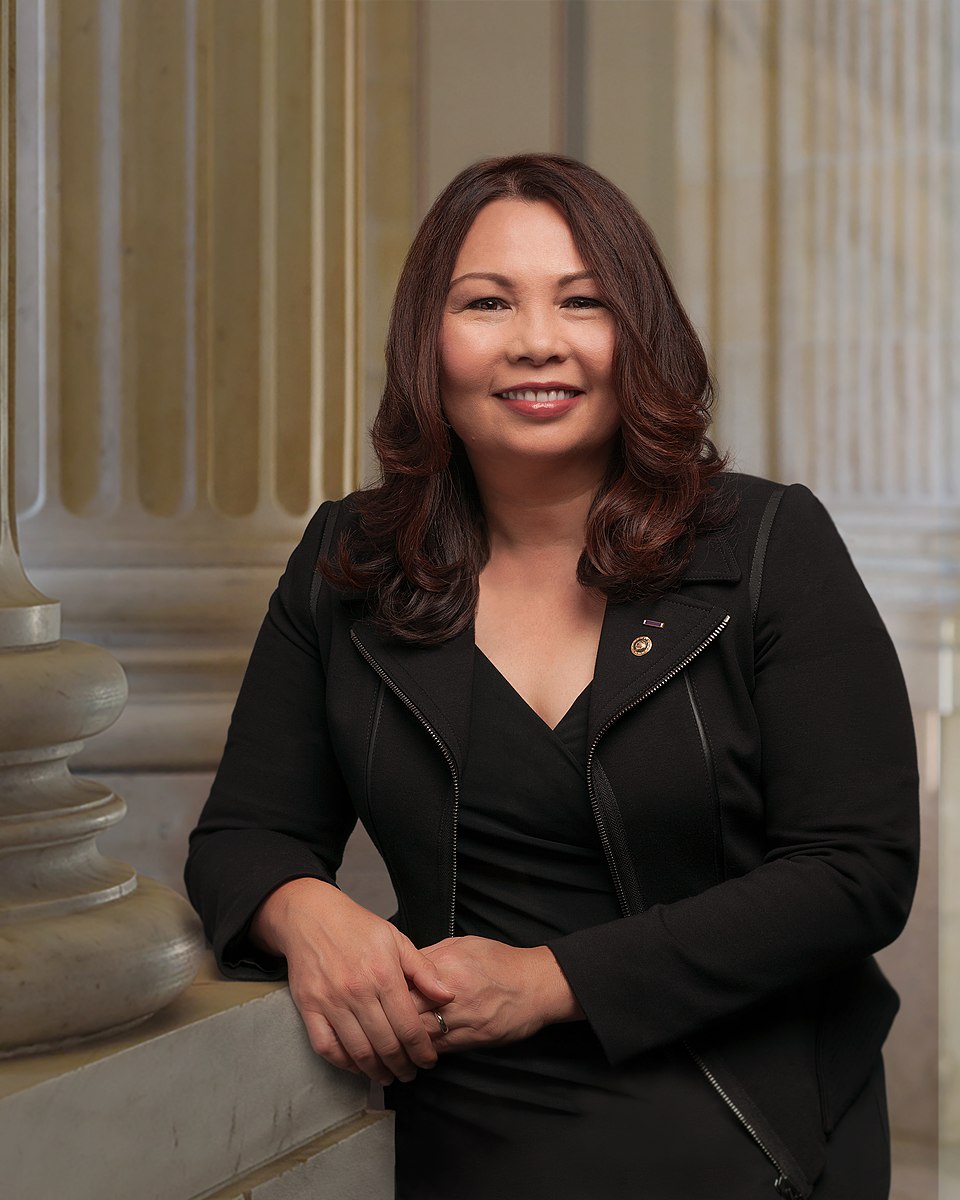

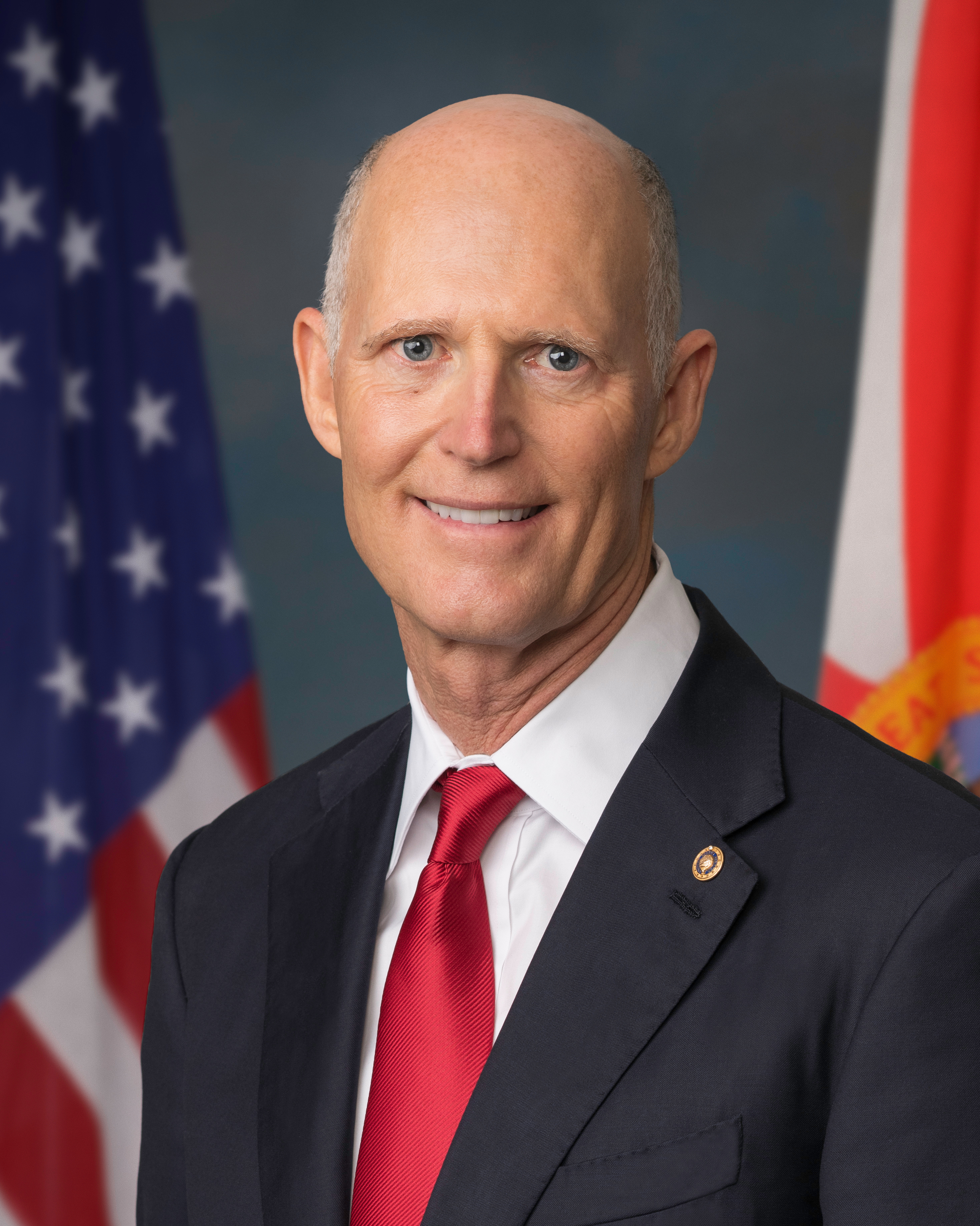
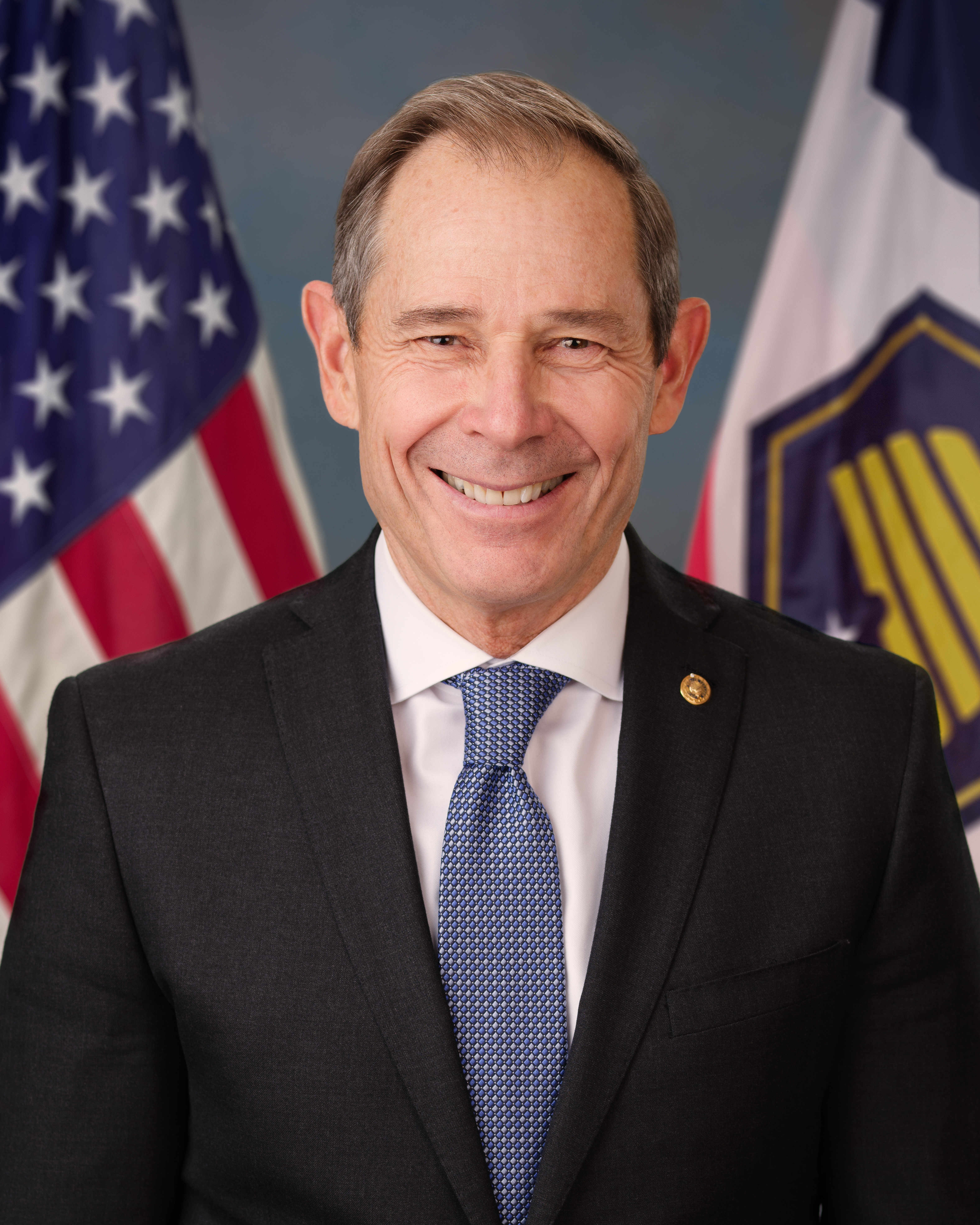
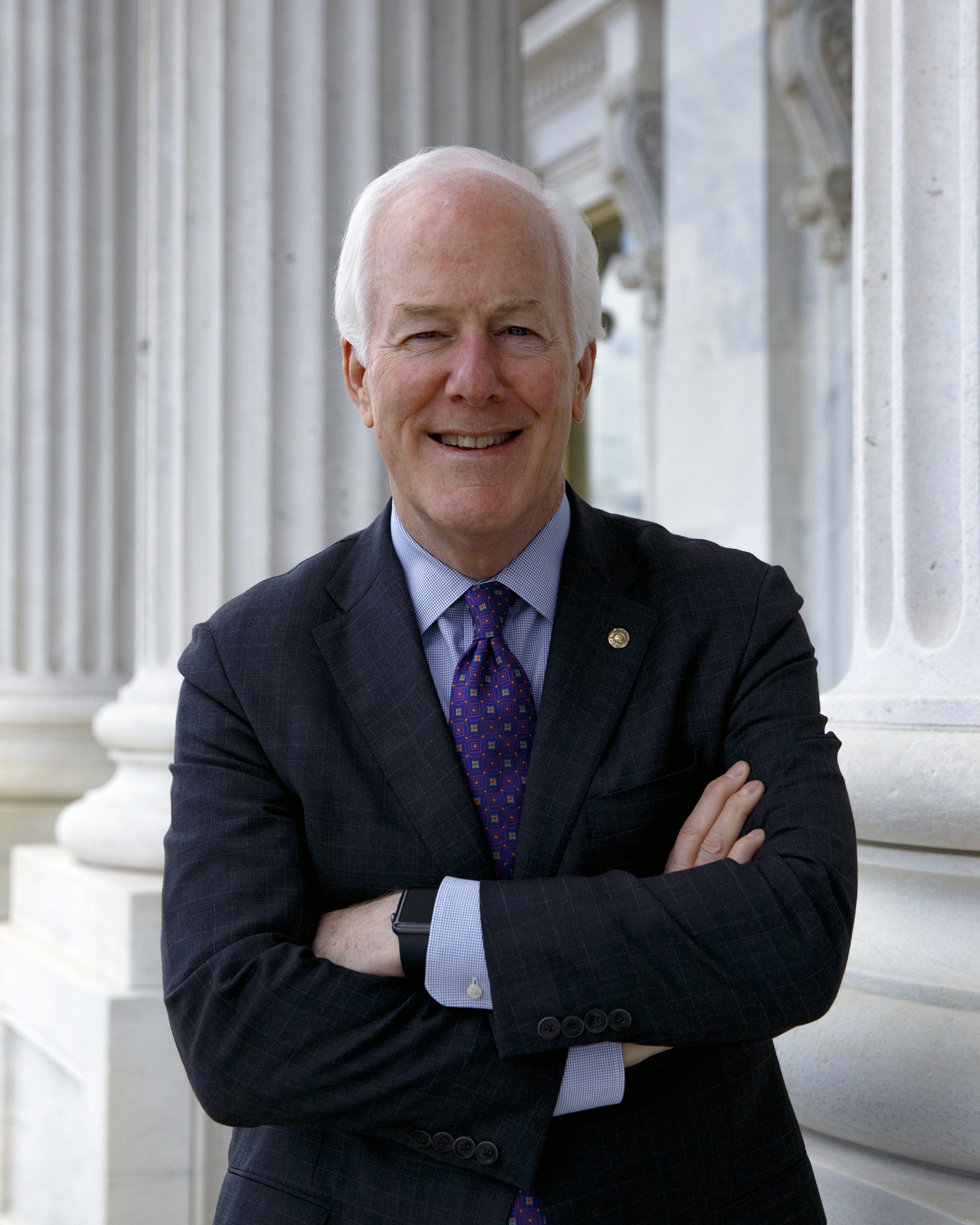
Shaheen (Ranking Member) appears at the far left of the outer arc; Risch (Chair) at the far right. Democrats cluster on the left, Republicans on the right.
Key Foreign Relations Committee Measures
Recent diplomacy, human rights, and global security actionsA bill to amend the Trafficking Victims Protection Act of 2000 to make technical corrections
S.1155 updates and corrects existing provisions of the Trafficking Victims Protection Act of 2000 to ensure that U.S. anti-trafficking tools remain accurate and enforceable. The measure fine-tunes statutory language, strengthens implementation of victim protections, and clarifies authorities used in bilateral and multilateral efforts to combat human trafficking worldwide.
Condemning persecution of religious minorities in China
This resolution condemns the Chinese Communist Party’s persecution of religious minorities—including Christians, Muslims, and Buddhists—and calls attention to the detention of Pastor "Ezra" Jin Mingri and other leaders of the Zion Church. It reaffirms the United States’ commitment to advance international religious freedom and urges sustained diplomatic pressure on behalf of prisoners of conscience.
Honoring the strategic importance of the C5+1 partnership in Central Asia
S.Res.459 underscores the growing diplomatic and economic partnership between the United States and the Central Asian nations of Kazakhstan, Kyrgyzstan, Tajikistan, Turkmenistan, and Uzbekistan. It recognizes the C5+1 platform as a key tool for coordinating regional security, energy, and connectivity initiatives and encourages deeper engagement to counter terrorism and great-power coercion.
Celebrating 30 years of diplomatic relations with North Macedonia
This resolution congratulates the people of North Macedonia on the 34th anniversary of their independence and marks three decades of diplomatic relations with the United States. It highlights North Macedonia’s progress toward Euro-Atlantic integration, including NATO membership, and commends the country’s reforms and contributions to regional stability in the Western Balkans.
Honoring the friendship between the Kingdom of Denmark and the United States
S.Res.267 recognizes the deep and longstanding friendship between Denmark and the United States on the occasion of Danish Constitution Day. It notes shared democratic values, close security cooperation through NATO and Arctic operations, and the importance of bilateral trade and investment ties in advancing transatlantic prosperity and security.
Affirming that Hamas cannot retain political or military control in Gaza
This resolution affirms that Hamas cannot retain any political or military control in the Gaza Strip following the current conflict. It urges U.S. diplomats to work with regional partners to promote a post-conflict governance structure that rejects terrorism, protects Israeli security, and improves conditions for Palestinian civilians.
Recognizing the 80th anniversary of the Battle of Iwo Jima
S.Res.53 commemorates the 80th anniversary of the amphibious landing on Iwo Jima and the raisings of the U.S. flag on Mount Suribachi during World War II. It honors American service members who fought in the campaign and situates the battle within the broader U.S. alliance network in the Indo-Pacific that underpins today’s security partnerships and forward-deployed presence.