What the Committee Does
The Environment and Public Works Committee oversees federal environmental protection, water quality, wildlife conservation, public buildings, and major infrastructure projects.
The committee manages oversight of the Environmental Protection Agency (EPA), the Army Corps of Engineers, the Fish and Wildlife Service, and federal programs for clean water, clean air, and ecological restoration.
Led by the Chair and Ranking Member, the committee holds hearings with environmental experts, agency leaders, scientists, and state and Tribal partners. Its decisions shape climate policy, pollution control, flood mitigation, and land and wildlife protection.
Committee Membership

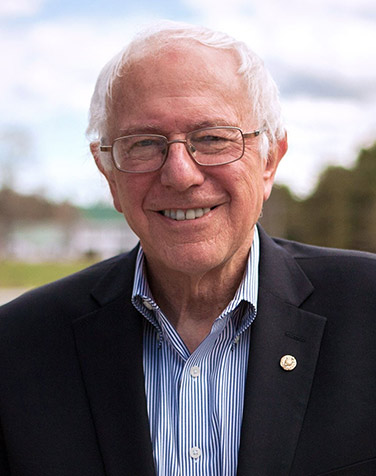

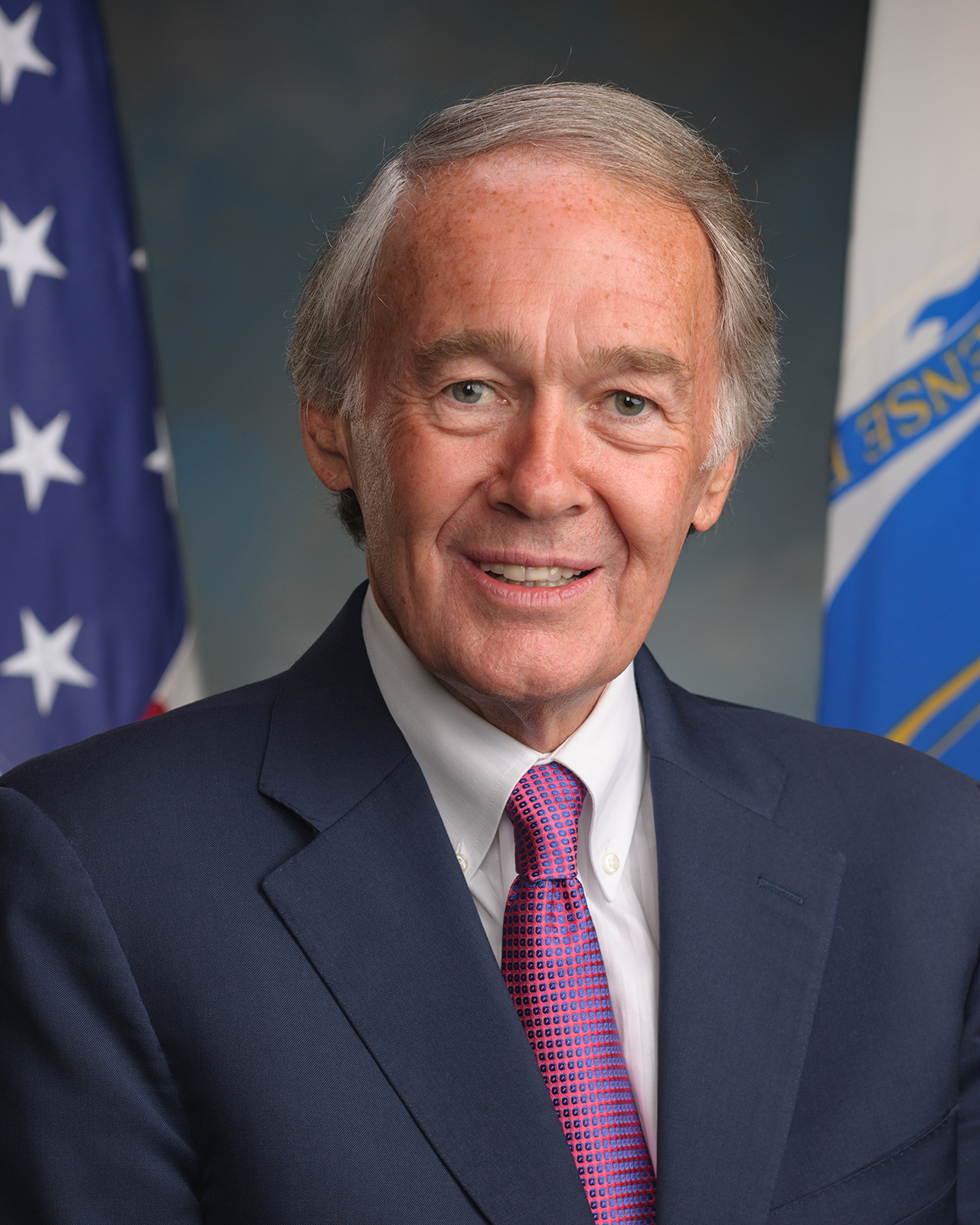
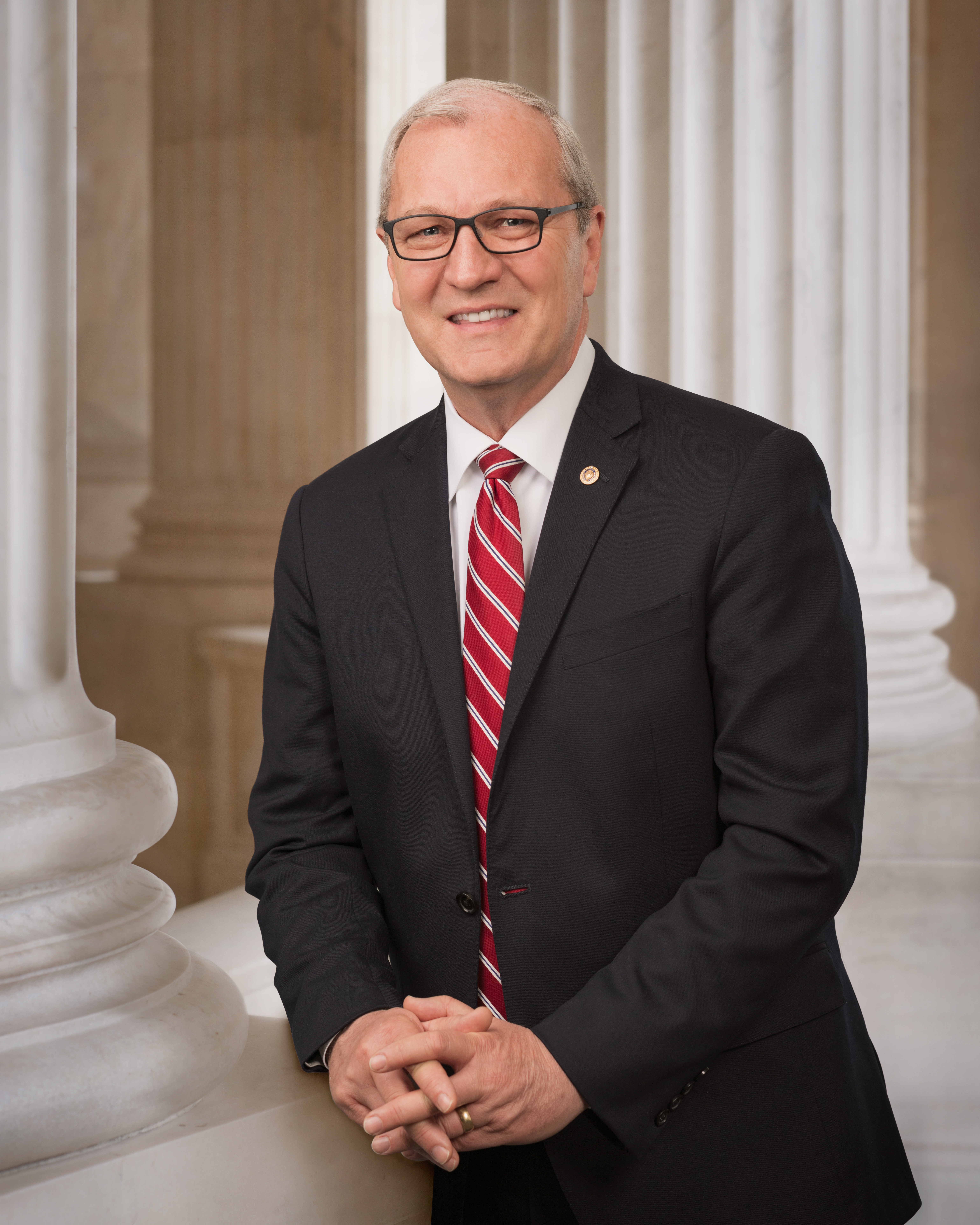
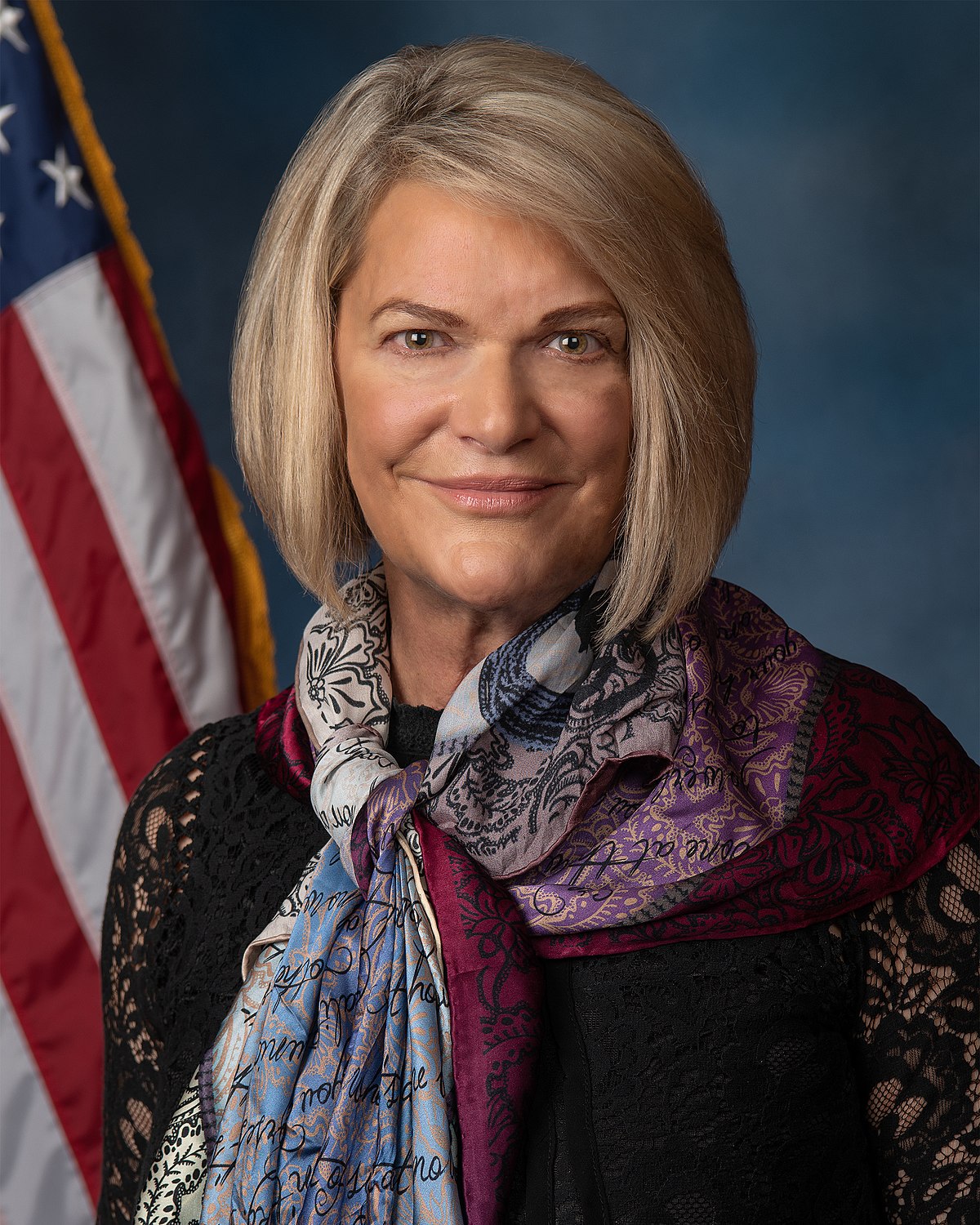
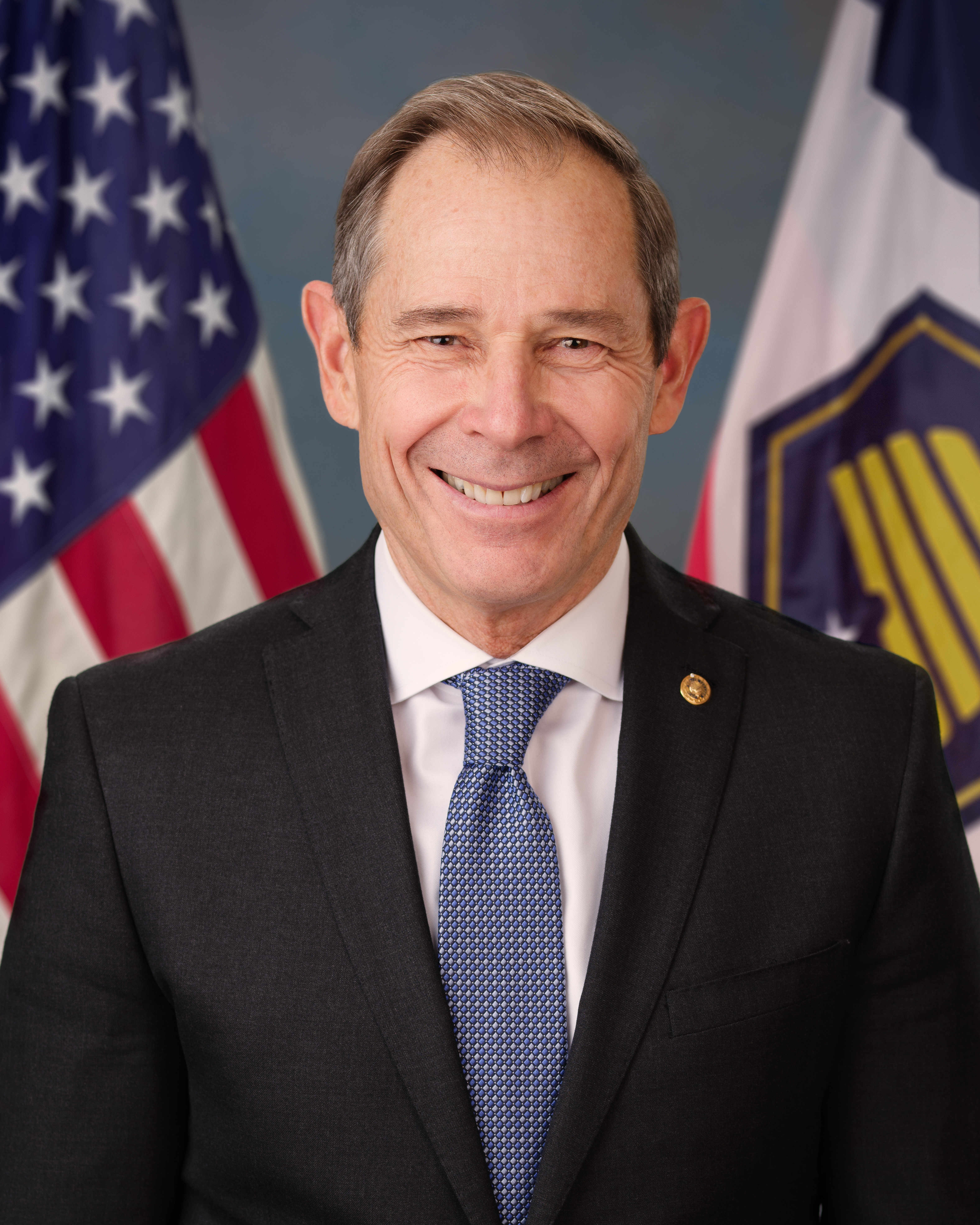
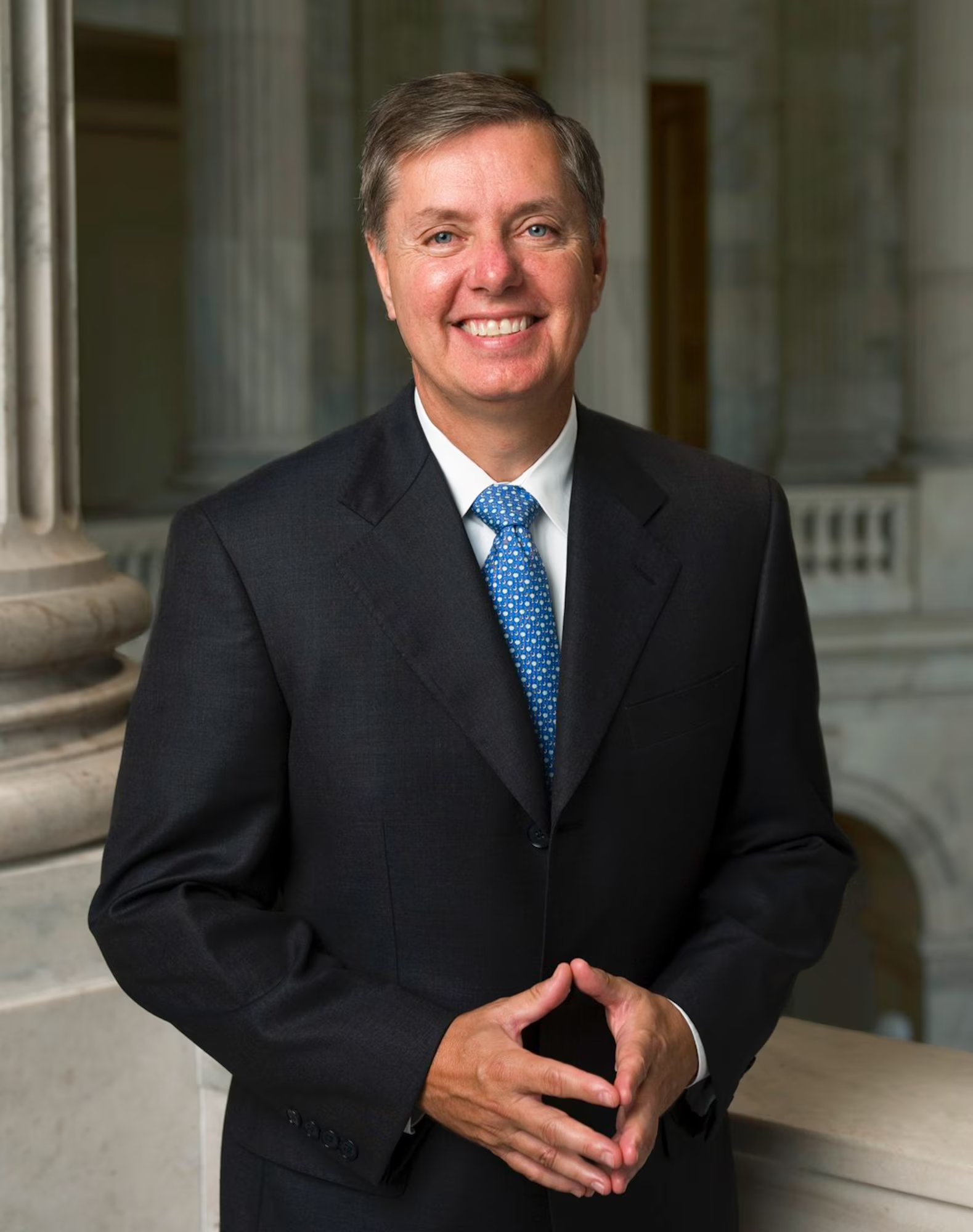
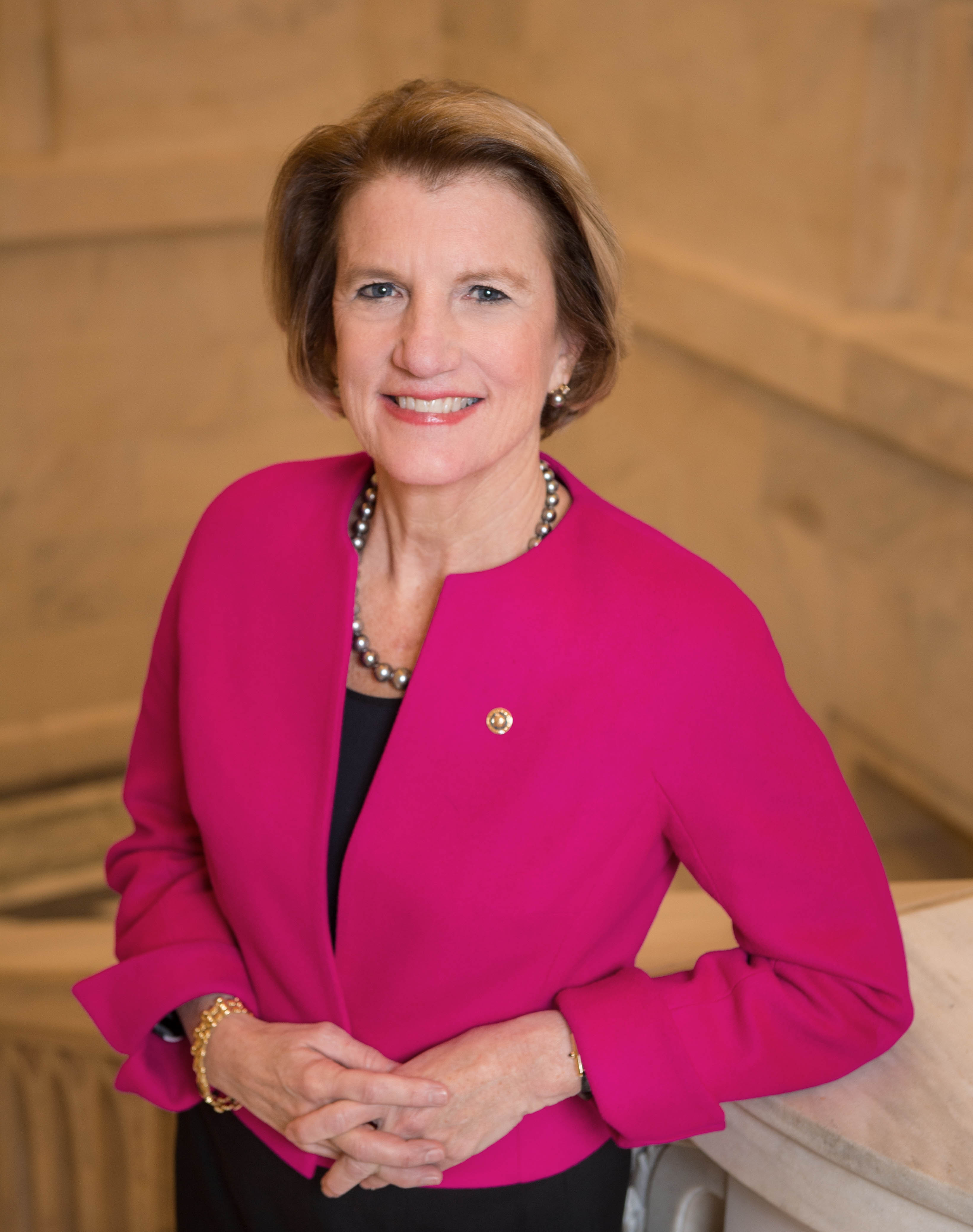
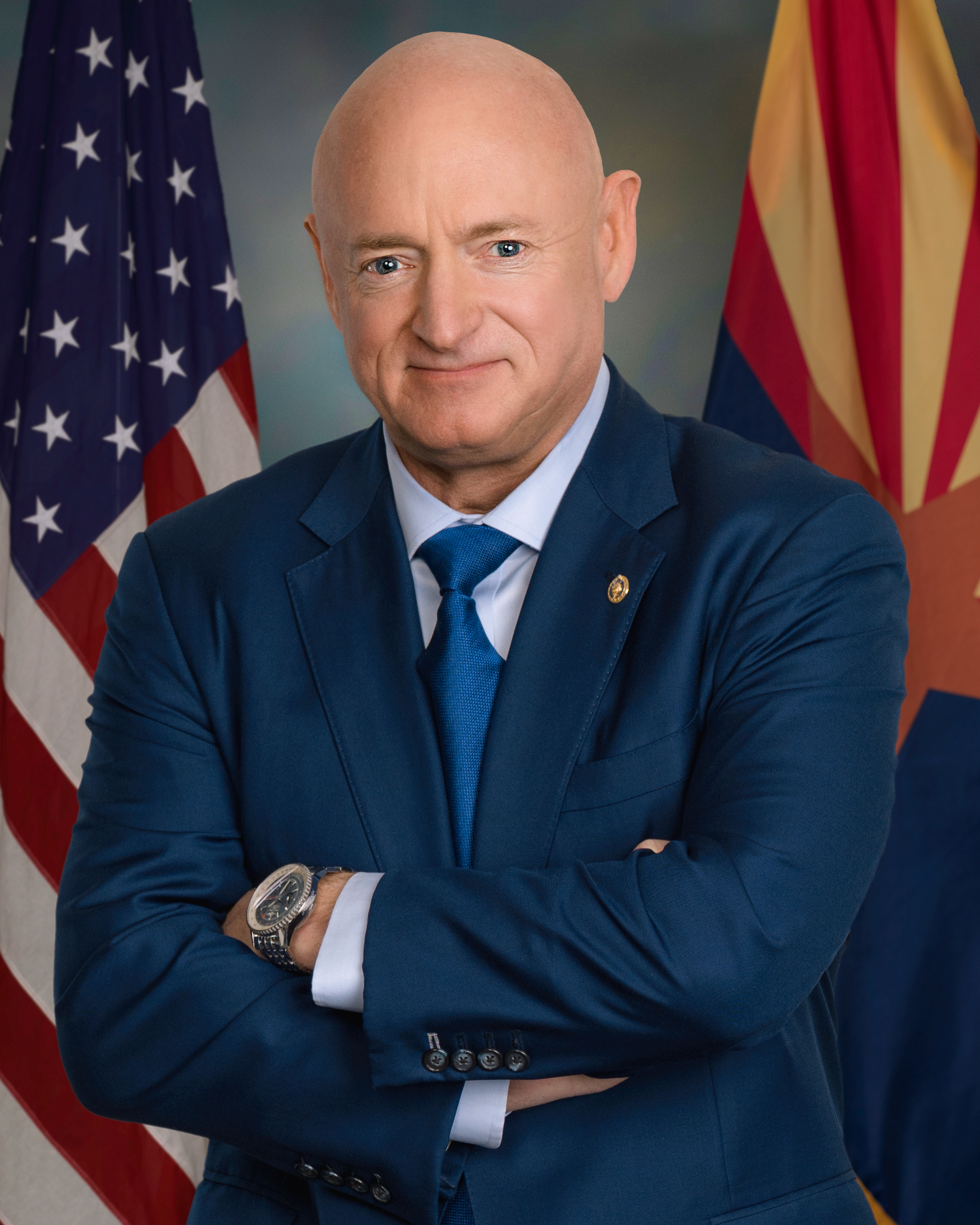
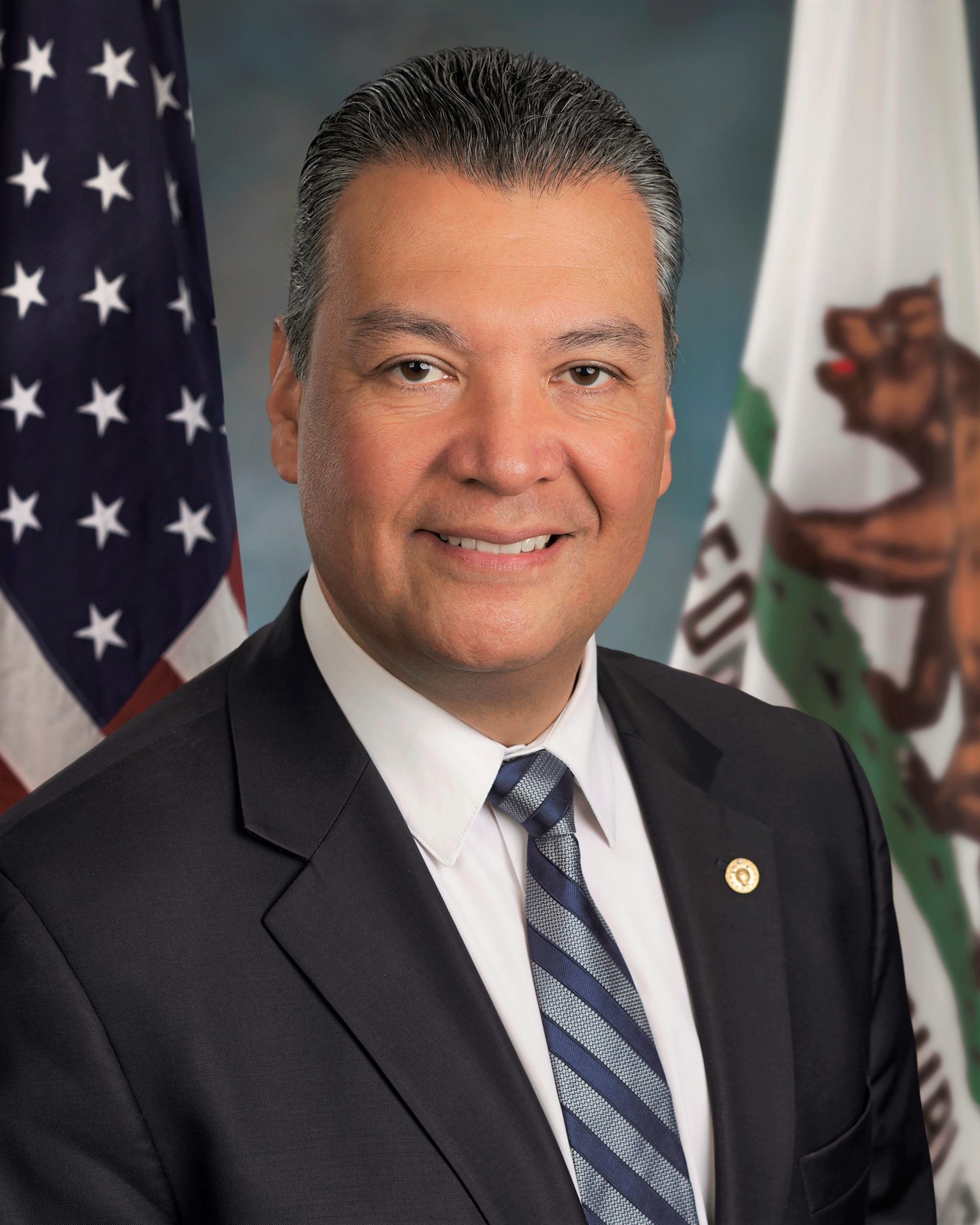
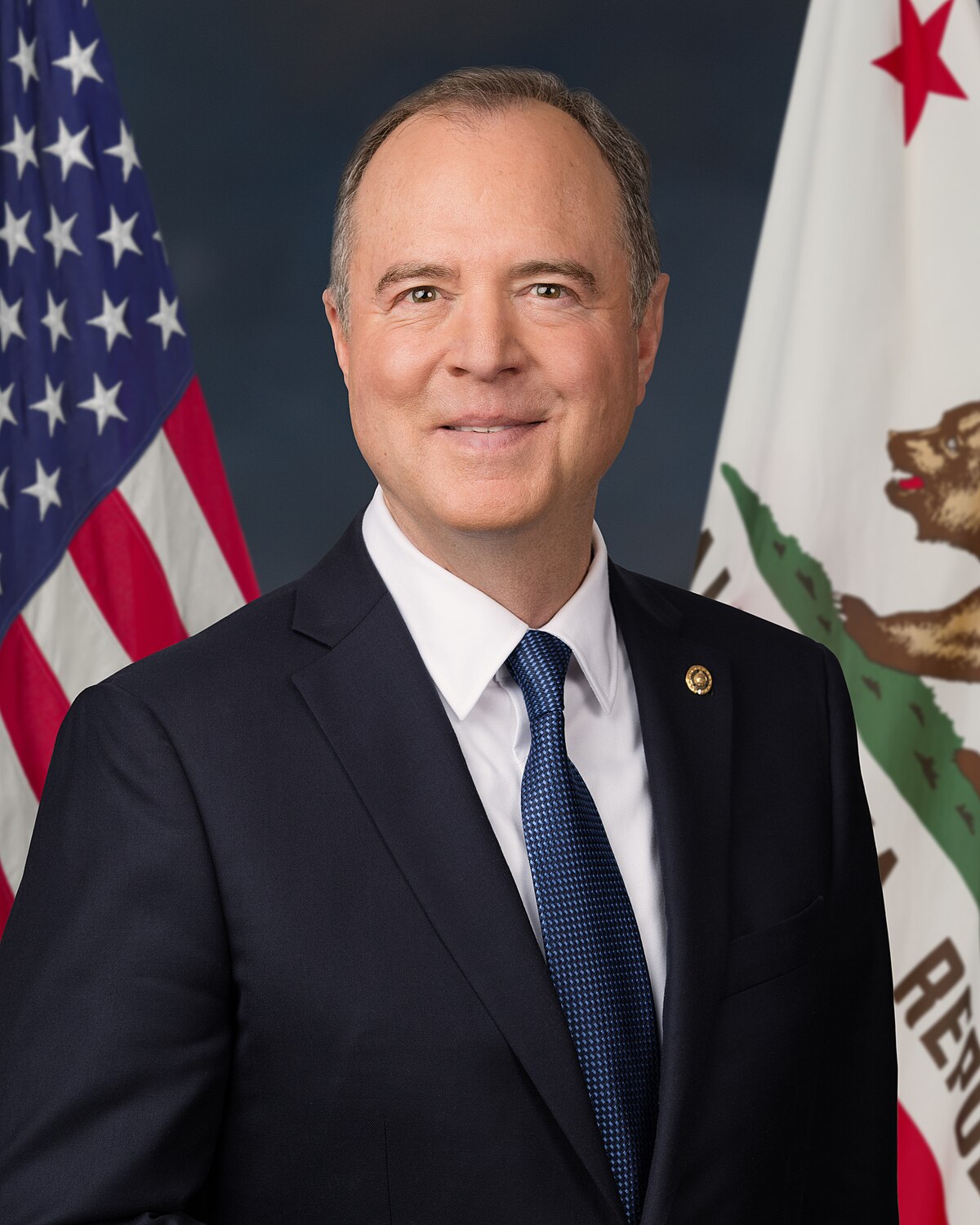
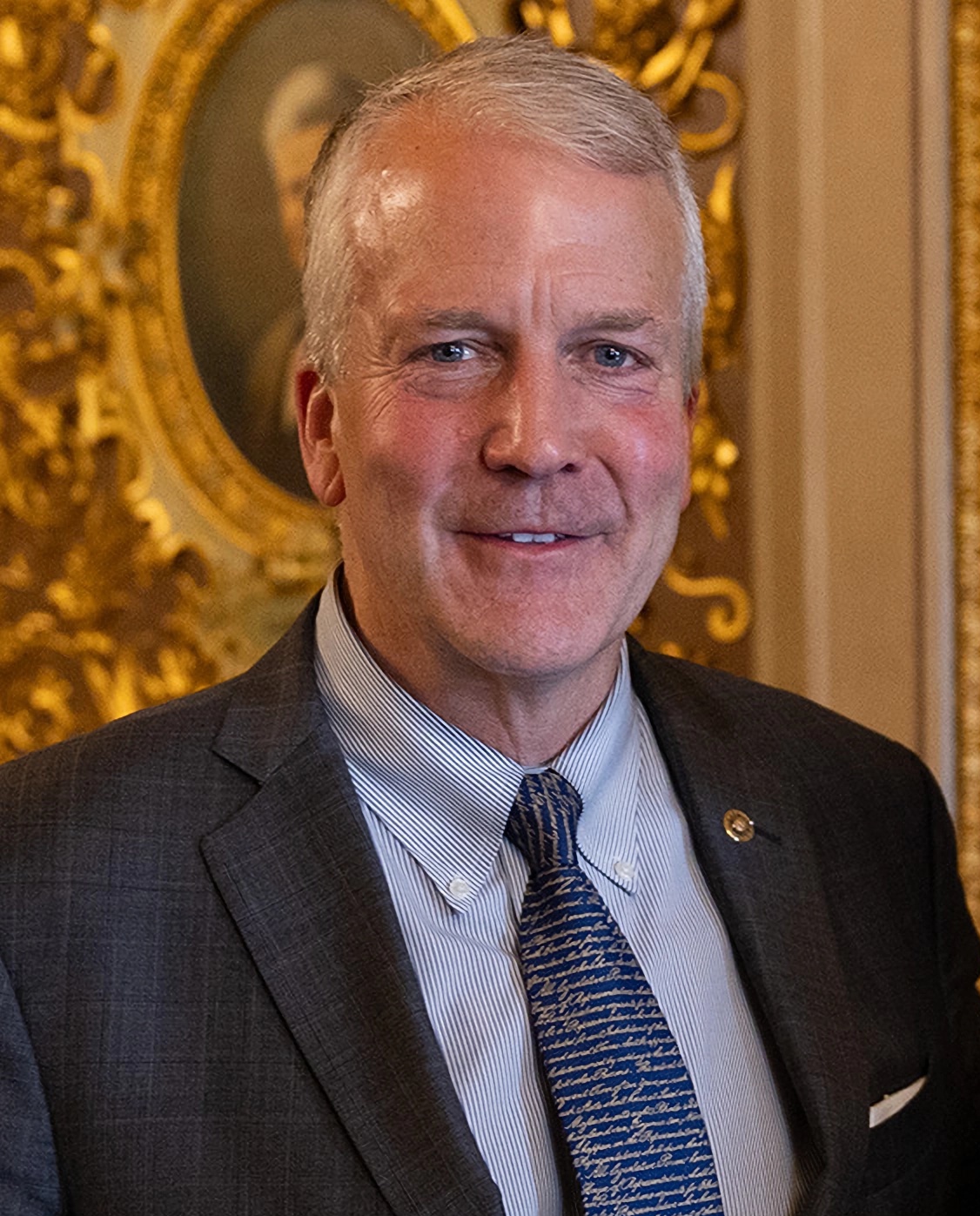
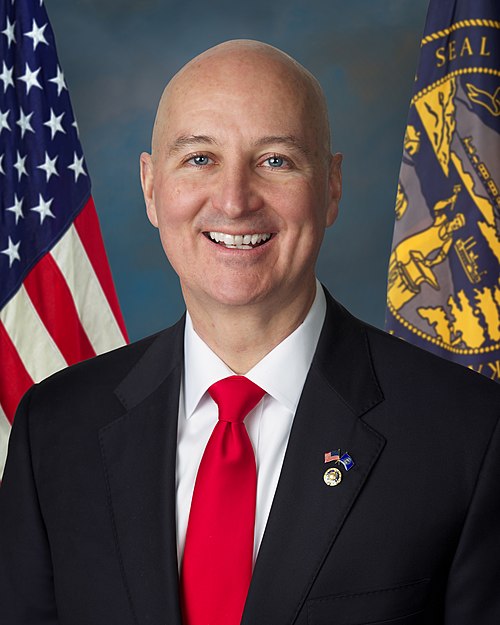
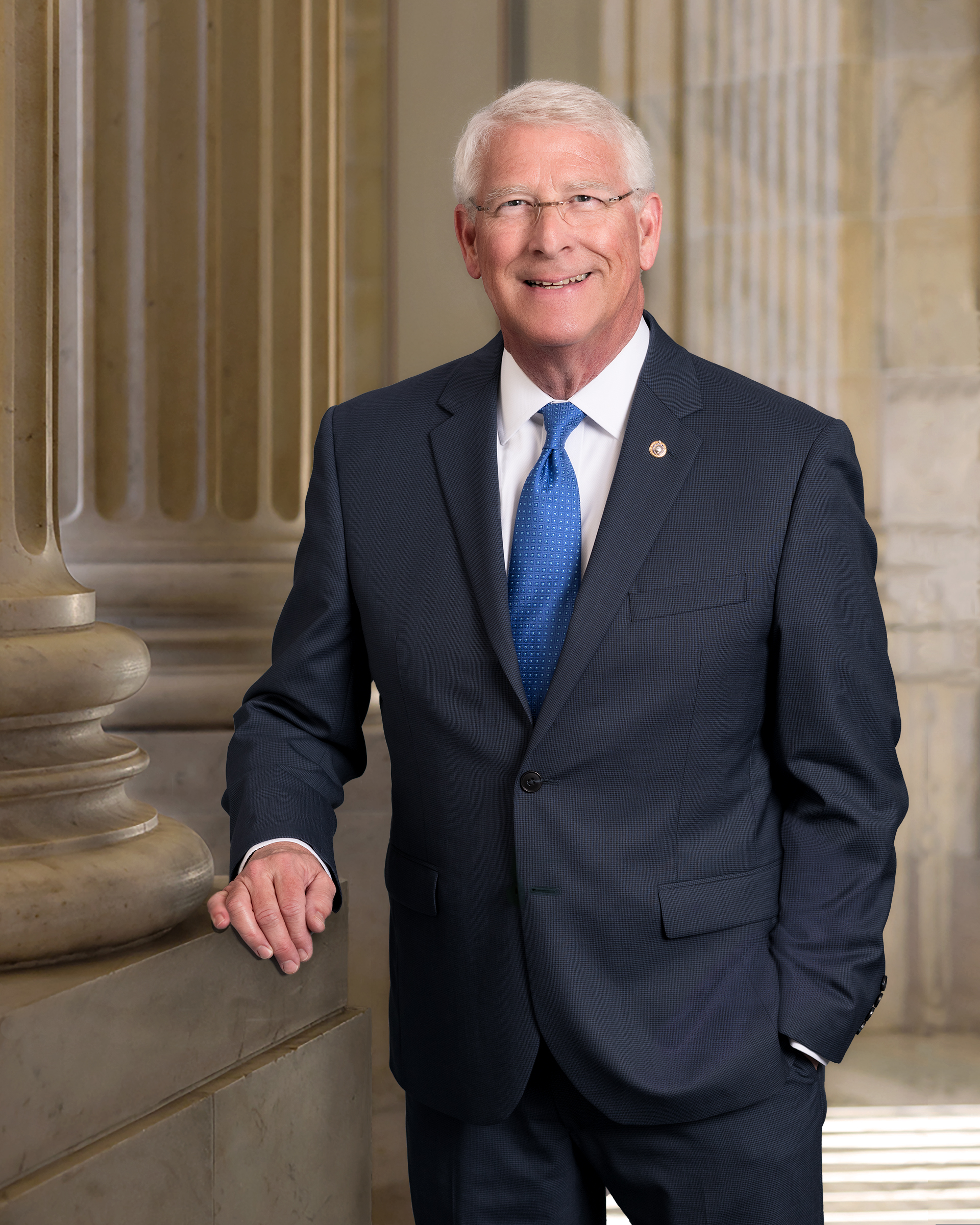
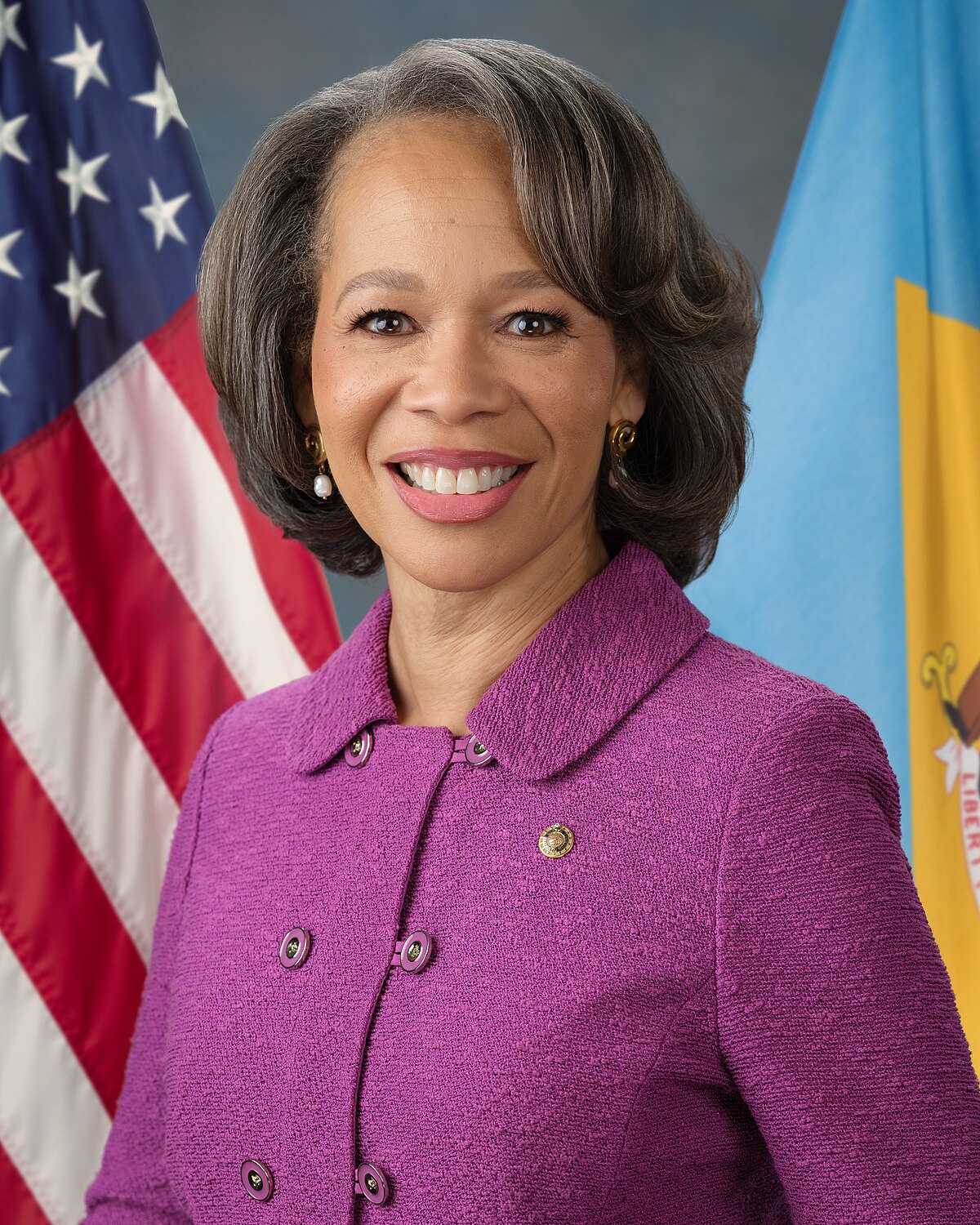

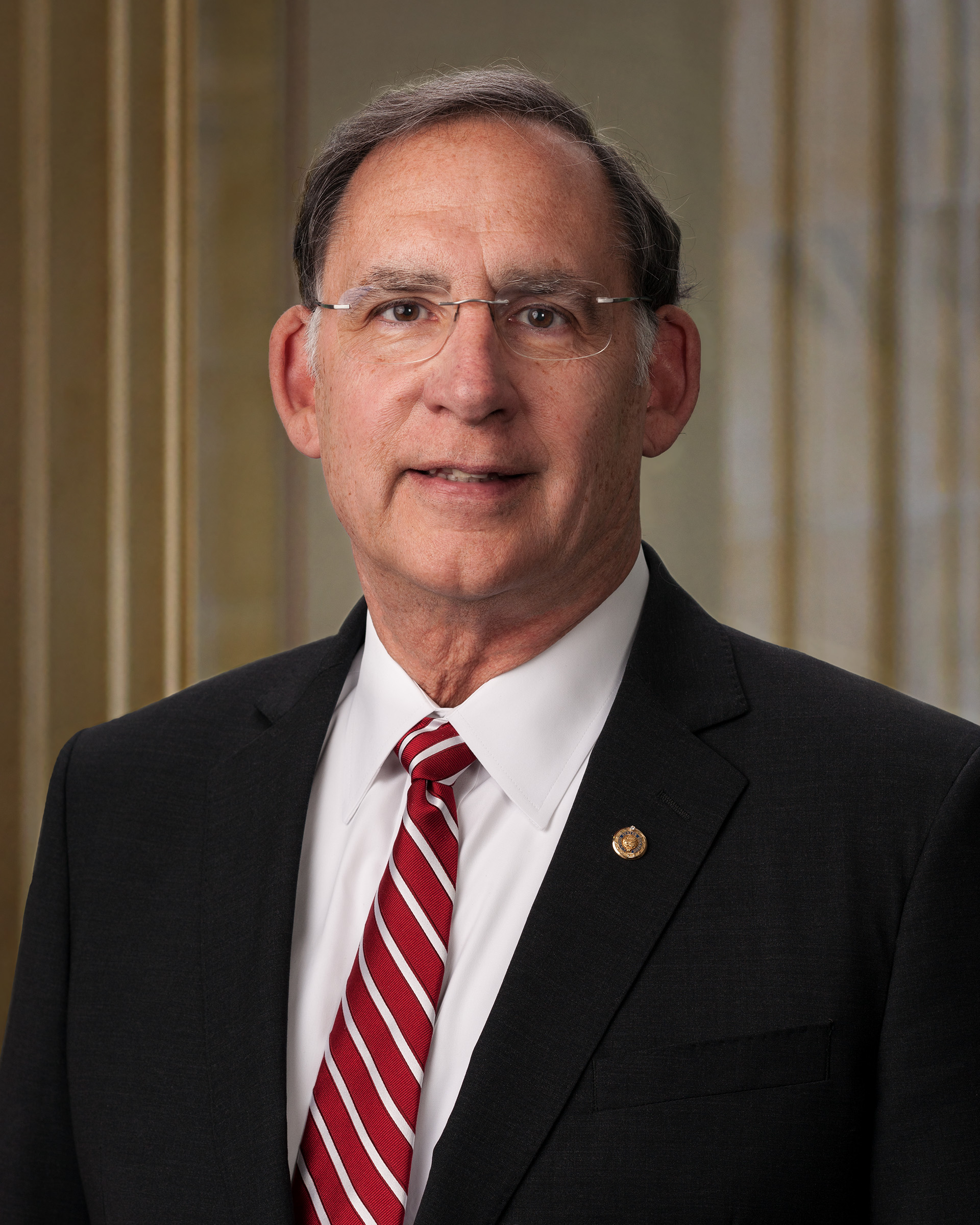
Whitehouse (Ranking Member) appears at the far left of the outer arc; Capito (Chair) at the far right. Democrats cluster on the left, Republicans on the right.
Key Environment & Public Works Legislation
Examples from the committee's jurisdictionSave Our Seas 2.0 Marine Debris Infrastructure Programs Reauthorization Act
Reauthorizes and expands the Save Our Seas 2.0 Act by supporting marine debris cleanup, infrastructure grants, and coastal resilience projects. The bill directs federal agencies to strengthen waste management systems, upgrade port facilities, and help local governments address plastic and trash pollution in waterways. It also promotes research and international cooperation to reduce marine debris at its source and protect coastal economies.
Great Lakes Fishery Research Reauthorization Act
Reauthorizes federal programs that support Great Lakes fishery research, habitat restoration, and interagency coordination. The bill ensures long-term funding for scientists and resource managers who monitor invasive species, fish stocks, and water quality. It also encourages regional collaboration among states, Tribes, and federal agencies to protect the Great Lakes as a vital economic and ecological resource.
Legacy Mine Cleanup Act of 2025
Expands federal programs for abandoned mine land cleanup, groundwater remediation, and community environmental health protection. The legislation targets high-risk legacy mine sites that threaten drinking water, rivers, and nearby neighborhoods. It also supports partnerships with state, Tribal, and local governments to reclaim damaged lands and create new economic opportunities in mining-impacted regions.
REUSE Act of 2025
Develops national reuse and refill systems for reducing single-use plastics through grants and pilot programs. The bill encourages local governments, businesses, and nonprofits to test reusable packaging, bottle return schemes, and refill stations. It aims to cut plastic waste, lower disposal costs, and help communities transition toward a more circular economy.
Jocelyn Nungaray National Wildlife Refuge Act
Designates a new National Wildlife Refuge and provides permanent protections for critical wildlife habitat. The law safeguards sensitive ecosystems, migratory bird routes, and endangered species while preserving opportunities for recreation and education. It also directs federal agencies to work with local communities, Tribes, and conservation organizations on long-term management of the refuge.
STEWARD Act of 2025
Supports state, local, and Tribal environmental resilience planning with dedicated federal funding and technical assistance. The bill helps communities assess climate risks, strengthen infrastructure, and protect vulnerable populations from extreme weather and pollution. It also encourages the use of nature-based solutions, such as wetlands and green spaces, to reduce flooding and improve public health.
A joint resolution disapproving EPA rule on “Reclassification of Major Sources as Area Sources”
Nullifies an EPA rule relating to the reclassification of certain industrial facilities under the Clean Air Act. The law prevents large emitters from loosening pollution controls simply by changing their regulatory status. It reinforces stricter standards for hazardous air pollutants, with the goal of protecting public health in nearby communities.
Bat Week Resolution
Recognizes Bat Week and promotes awareness of bat conservation across the United States. The resolution highlights bats’ role in controlling pests, pollinating plants, and supporting healthy ecosystems. It also encourages schools, agencies, and community groups to host educational events and support habitat protection efforts.
National Estuaries Week Resolution
Celebrates National Estuaries Week and encourages conservation of estuarine ecosystems nationwide. The resolution underscores the importance of estuaries for fisheries, storm protection, and water quality. It calls on federal, state, and local partners to invest in restoration, research, and public engagement around these coastal environments.