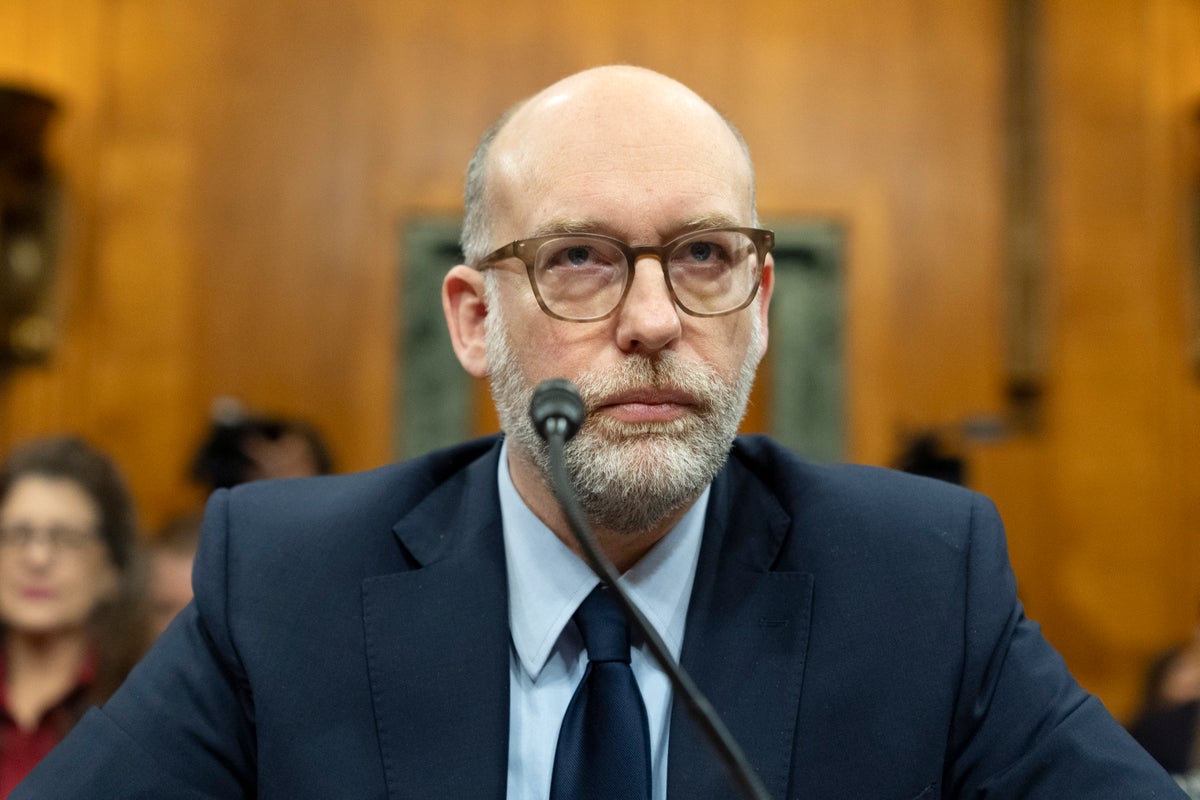
Russell Vought is the rare budget official who treats OMB as a political command post, not a neutral accounting office. His theory of power is simple: the executive branch runs on money, personnel authority, and rules. If you control those levers, you can force agencies to obey elected priorities instead of letting career bureaucracy quietly veto them.
That worldview was formed early. After studying history and political science at Wheaton College, he moved into Washington policy work and was influenced by deficit hawks like Senator Phil Gramm. He earned a JD from George Washington University Law School in 2004, then built credentials inside House Republican policy circles, including the Republican Study Committee and the House Republican Conference under Mike Pence.
When the Affordable Care Act passed in 2010, Vought left House leadership work to help create Heritage Action for America. That move mattered: it put him in the outside advocacy lane where the mission is pressure, primaries, and forcing internal party discipline. He developed a reputation for clashing with GOP leadership over spending and treating “deficit rhetoric” as meaningless unless it produced hard cuts.
He entered the first Trump administration through OMB, became deputy director, then served as acting director before being confirmed as director in 2020. His first tenure overlapped with the 2018 to 2019 shutdown era, the Ukraine security assistance fight that drew congressional scrutiny, and repeated proposals for unusually large domestic spending cuts and foreign aid reductions. He also pushed the idea that regulatory and civil service machinery should be subordinated to presidential control.
After Trump left office, Vought built an institutional base outside government, founding the Center for Renewing America and aligning with the broader “unitary executive” project: reworking staffing rules, reviving Schedule F style employment authority, and designing transition playbooks. He later became a key figure in Project 2025 style efforts, positioning executive power as the mechanism for rapid structural change.
In the second Trump administration, he returned as OMB director in 2025 and took on unusually expansive acting responsibilities, including serving as acting director of the Consumer Financial Protection Bureau beginning in February 2025 and acting administrator of USAID from August to November 2025. To allies, he is the enforcement arm of “make the bureaucracy obey.” To critics, he is the architect of a government wide campaign to politicize administration and weaken institutional constraints.
Right Wing Populist
Achievements
- Built a distinct fiscal and institutional power doctrine that treats appropriations, personnel policy, and regulatory review as integrated tools of executive control.
- Rose from House policy staff to senior roles inside OMB, then returned as director with a mandate to centralize agency compliance and tighten White House oversight.
- Developed outside government infrastructure after 2021 through think tanks and advocacy work, shaping Republican budget strategy and post 2020 institutional planning.
- Became a central operator in conservative governance planning, emphasizing rapid policy execution and staffing systems designed for day one implementation.
- Expanded his operational footprint beyond budgeting through acting leadership roles across major agencies, reinforcing his reputation as a “systems and enforcement” manager.
Controversies
- Critics argue his push for Schedule F style authority and mass reclassification is a pathway to politicized purges.
- Opponents say his comfort with standoffs turns budgets into coercion and destabilizes basic governance.
- Ukraine aid scrutiny during his earlier OMB tenure created a durable narrative that budget process can be used to stall or redirect foreign policy commitments.
- Critics describe his acting leadership as an attempt to neutralize the agency by halting supervision, enforcement, and routine engagement.
- His overt blend of fiscal austerity and social conservative messaging draws accusations that budgeting is being used as a culture enforcement instrument rather than public administration.
Senate Confirmation Vote
Votes For
Votes Against