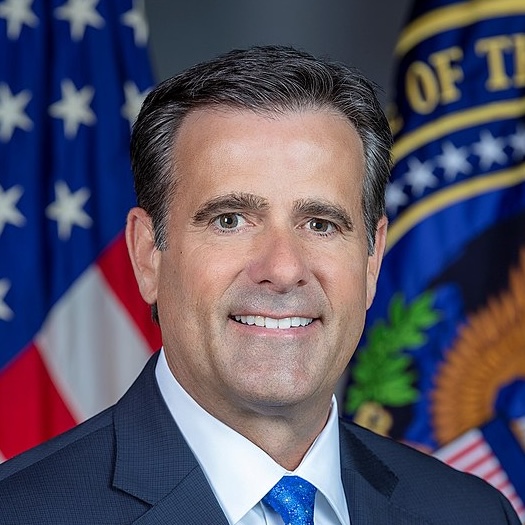
John Ratcliffe is a prosecutor politician hybrid who built his national profile by treating intelligence and law enforcement controversies as arenas for accountability fights. He came up through North Texas politics, served as mayor of Heath, and then moved into federal national security work as a Justice Department anti terrorism and national security lead in the Eastern District of Texas. That background shaped his instincts: frame threats in clear terms, name the adversary, and act like oversight is a muscle not a courtesy.
Before intelligence leadership, Ratcliffe was a hardline conservative member of Congress from Texas Fourth District. He made his name in high profile hearings and investigations, especially around the Russia probe and impeachment era fights, where he argued that parts of the national security apparatus were being used to shape domestic politics. His signature pitch has been that intelligence must stay externally focused and that internal bureaucratic incentives produce selective leaking, narrative engineering, and institutional self protection.
Ratcliffe became Director of National Intelligence in 2020 after an initial 2019 nomination was withdrawn amid concerns about his experience claims and fears of politicization. As DNI, he leaned into public confrontation and selective declassification, often presenting himself as correcting an intelligence community that he said had grown too insulated and too willing to drift into domestic narrative combat.
As CIA director beginning in 2025, Ratcliffe operates with a clear competitive frame: China as the pacing threat, Russia as a disruptive adversary, Iran and proxy networks as persistent pressure points, and cyber and influence operations as daily warfare below the threshold of conventional conflict. His style is blunt and public facing by spy chief standards he is willing to talk about threats in a prosecutor register, which supporters call clarity and critics call politicization risk.
The tension in Ratcliffe is the same one that defines his whole career: he promises depoliticization, but his pathway is aggressive public narrative management through declassification and confrontation. Fans see accountability and honesty. Detractors see a director comfortable merging intelligence messaging with an administration posture, raising long term trust and sources and methods concerns.
Mainstream Conservative
Achievements
- Rose from local Texas executive office to federal national security roles, combining courtroom, oversight, and intelligence leadership experience.
- Helped drive the post 2020 Republican national security message that China is the pacing threat across intelligence, technology, and economic domains.
- Built a brand around rapid public attribution and strategic declassification to expose foreign interference and malign influence.
- As DNI and later CIA director, prioritized counterintelligence and cyber as continuous conflict domains rather than episodic crises.
- Maintained enough cross party support to win a sizeable confirmation margin relative to other highly politicized nominees.
Controversies
- Critics argue his “depoliticize intelligence” framing often means privileging one partisan interpretation of disputed events.
- Detractors say public proof drops can expose sources and methods and create incentives to tailor intel for media.
- His initial 2019 DNI nomination collapsed after scrutiny of prosecutorial claims, reinforcing doubts among career national security officials.
- Old school intelligence veterans argue a prosecutor style director invites diplomatic blowback and operational leakage.
- Some worry that strong top down messaging can chill dissenting assessments inside the community.
Senate Confirmation Vote
Votes For
Votes Against