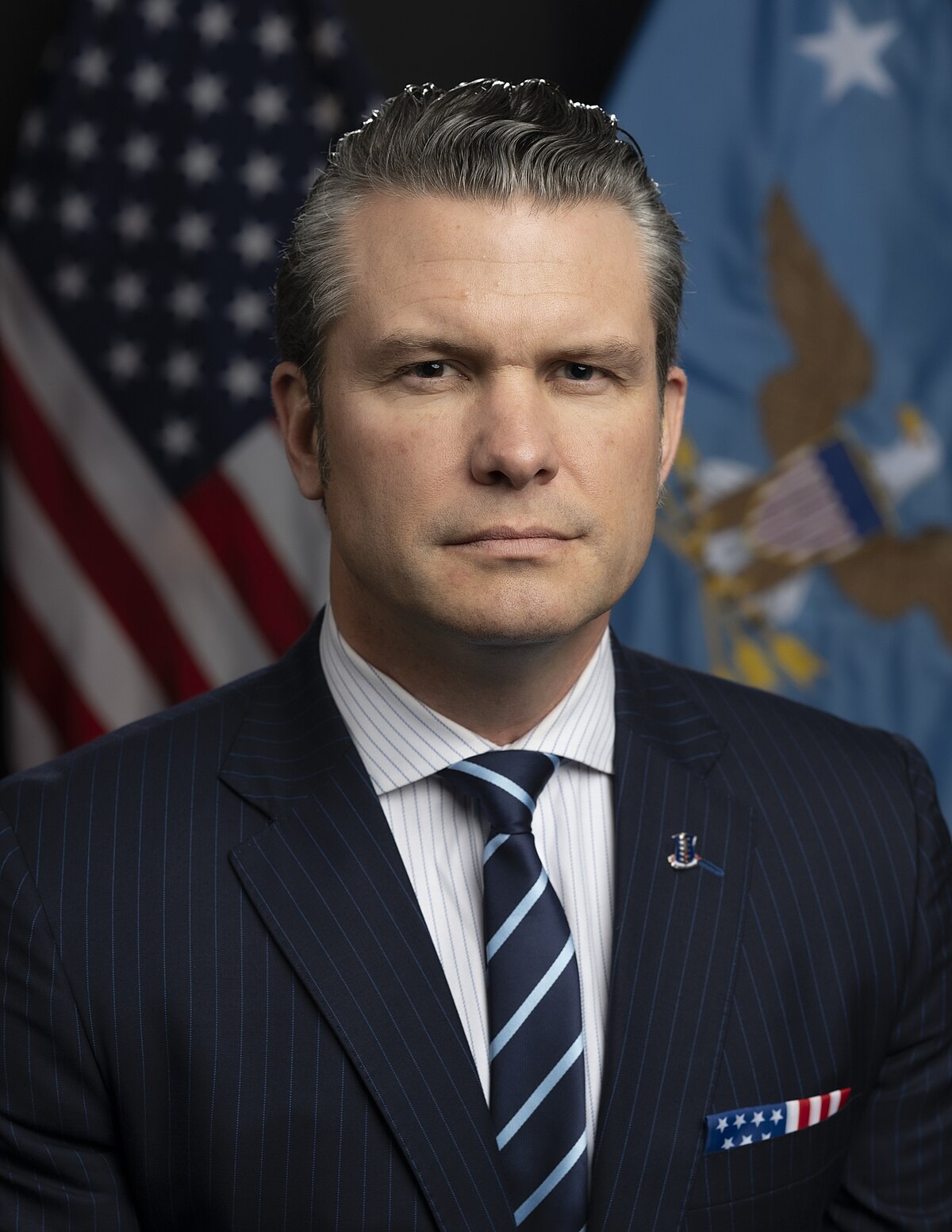
Peter Brian Hegseth is an American government official and former television personality who rose to prominence as a conservative veteran advocate and Fox News host before entering the executive branch. His public brand centers on patriotism, military culture, and a blunt “fight to win” worldview that frames U.S. power as a moral and civilizational necessity.
In national-security politics, Hegseth is defined less by traditional Pentagon technocracy and more by populist messaging: a promise to cut bureaucracy, reject elite process, and prioritize lethality and readiness. He argues that the U.S. deterrent posture has weakened because leaders and institutions became risk-averse, over-lawyered, and distracted by internal social battles.
As Secretary of Defense, Hegseth’s governing style projects certainty and confrontation. Supporters view him as a disruptive reformer who will strip down “management culture” and rebuild warfighting focus; critics view the same posture as escalation-prone politics in uniform colors, with high volatility in alliance signaling and civil-military norms.
His leadership profile is intensely populist: maximalist rhetoric, deep skepticism of institutional guardrails, and heavy emphasis on symbolism (standards, tradition, discipline). That makes him resonant with a base coalition, and polarizing in Washington’s defense-policy establishment.
Right-Wing Populist
Achievements
- Consolidated a “warrior ethos” brand into a governing posture, emphasizing readiness, standards, and visible deterrence.
- Elevated procurement and bureaucracy critique into a central political agenda for defense reform.
- Built high-salience communication channels to the conservative base, shaping public narratives around military policy.
- Reframed homeland defense and border-adjacent support as core defense priorities for the department.
- Became one of the most prominent veteran-media figures to translate cultural politics into defense leadership messaging.
Controversies
- Critics argue his culture-war posture risks politicizing the Pentagon and weakening nonpartisan civil-military norms.
- Opponents questioned depth of executive-management experience relative to the scale and complexity of the Defense Department.
- Accused of escalation risk: “hit back twice as hard” instincts may raise crisis volatility and alliance-management friction.
- Public allegations about personal conduct and organizational management fueled confirmation-era opposition.
- Leaked classified information about strikes on Yemen on a unsecured Signal Chat had congressional members launch an investigation
Senate Confirmation Vote
Votes For
Votes Against