
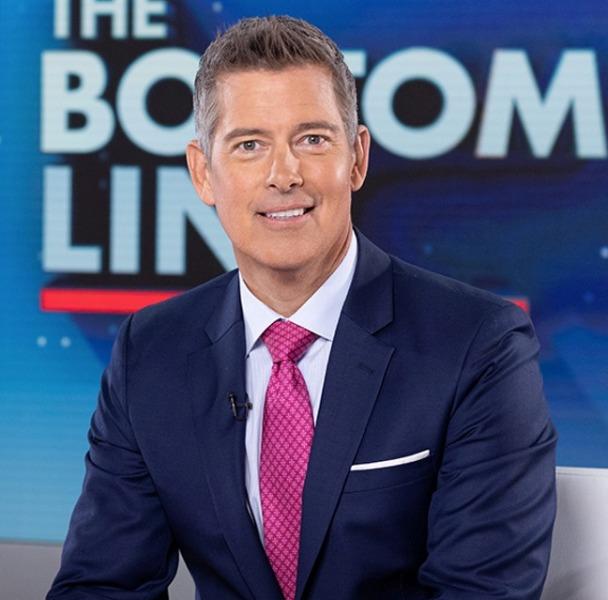
Sean Patrick Duffy is an American politician, attorney, and former television personality who has served as the 20th United States Secretary of Transportation since January 2025. He also served as Acting Administrator of NASA from July to December 2025 while awaiting the Senate confirmation of Jared Isaacman.
Duffy’s frames transportation policy less as technocratic grant-making and more as national strength, air safety, freight reliability, ports, and infrastructure capacity as power assets. His pitch is blunt and message-forward: prioritize core systems, clear bureaucratic drag, and treat logistics failure as a national vulnerability.
Before joining the Cabinet, Duffy served as U.S. Representative for Wisconsin’s 7th congressional district (2011–2019) and earlier as the Ashland County, Wisconsin District Attorney (2002–2010), where he built a hard-charging prosecutor profile. He resigned from Congress in September 2019 following serious health complications involving his newborn daughter.
Duffy is also unusually “media-native” for a DOT secretary. He became widely known from reality TV and sports commentary: he appeared on MTV’s The Real World: Boston (1997), later won Real World/Road Rules Challenge: Battle of the Seasons, and cultivated a public persona before transitioning into law and elected politics. He later co-hosted Fox Business’s The Bottom Line (beginning in 2023).
Mainstream Conservative
Achievements
- Confirmed as Secretary of Transportation on January 28, 2025 (77–22) after a broadly non-contentious Commerce Committee process, including a 28–0 committee vote to advance the nomination.
- Made air safety and staffing a first-order priority, publicly pushing to increase air traffic controllers and backing pay incentives aimed at retention in safety-critical roles.
- Moved quickly on crisis response in his first major aviation emergency, directing FAA action to restrict helicopter routes near Reagan National following a mid-air collision over the Potomac.
- Launched an aggressive “clear the bureaucracy” posture: accelerating permitting narratives, pushing standardized road marking guidance, and emphasizing throughput on core freight and aviation systems.
- Served simultaneously as Acting Administrator of NASA (July– December 2025), giving him unusual cross-domain influence spanning transportation infrastructure and aerospace.
Controversies
- Repeated Trump’s claim that DEI hiring was implicated in air traffic control failures after a major aviation incident, triggering backlash that he was politicizing safety oversight.
- Publicly sought to revoke federal approval for New York City’s congestion pricing and used pressure tactics around deadlines, becoming a national lightning rod in the transit vs. cars fight.
- Threatened to withhold federal funding from the MTA over subway crime and governance demands, critics say it risks destabilizing long-term capital plans that rely on federal support.
- Cut high-profile rail funding (Texas Central Railway) and later targeted California High-Speed Rail, praised by fiscal hawks, condemned by rail and climate advocates as sabotage.
- Publicly confirmed SpaceX-linked visits/engagement with FAA modernization discussions, drawing Senate scrutiny and accusations of improper outside influence.
Senate Confirmation Vote
Votes For
Votes Against