
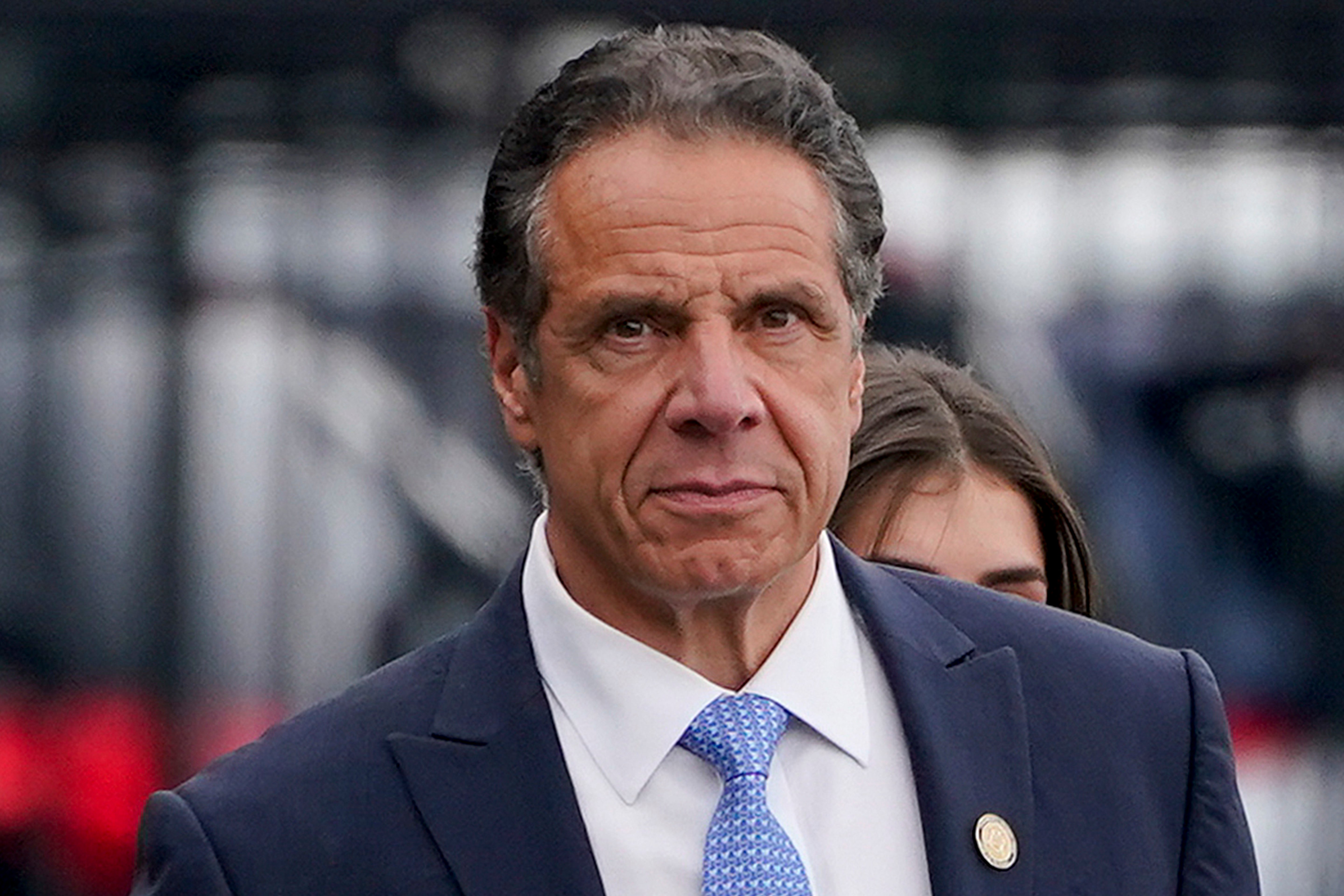
Andrew Cuomo served as the 56th governor of New York from 2011 to 2021, after previously serving as state Attorney General and U.S. Secretary of Housing and Urban Development in the Clinton administration. He built his career as a hard-nosed, dealmaking Democrat with deep roots in New York's political machine.
Cuomo's governing style was intensely centralized and managerial: he positioned himself as a competent technocrat who could deliver big infrastructure, fiscal stability, and high-profile social policy wins, often through aggressive use of executive power and backroom negotiations with legislative leaders.
During the early stages of the COVID-19 pandemic, Cuomo became a national media figure through daily briefings and a "steady-hand" image, before his tenure ended in resignation amid scandals over workplace misconduct and the state's handling of nursing home deaths.
Establishment Democrat
Achievements
- Oversaw legalization of same-sex marriage in New York in 2011, ahead of many other states.
- Championed gun-control legislation, including the NY SAFE Act, after the Sandy Hook shooting.
- Positioned New York as a leader on infrastructure with projects like the Tappan Zee Bridge replacement and airport upgrades.
- Built a reputation as a "doer" governor focused on budgets, construction, and high-visibility state projects.
- Early in the COVID-19 pandemic, was widely seen (for a time) as a national Democratic counterpoint to the Trump administration.
Controversies
- Resigned in 2021 following multiple allegations of sexual harassment and an official report finding he violated state and federal law.
- Criticized for the state’s handling and reporting of COVID-19 nursing home deaths.
- Known for a bullying, domineering management style that alienated allies and staff.
- Frequently clashed with New York City leaders and progressives over housing, transit, and criminal-justice policy.